

The following essay outlines complete details of how this event happened: What's new and updated; background information; other facts not found in big news sources; an easy way to understand it all; each step will build on what has already been discussed; if you're 12 years old, this essay's information will be simple enough for you to understand, and if you're not part of the conversation after reading then we'll give you all the information you want. Get yourself a glass of water and get comfortable because we would like to take you down a long, thorough journey.
What Exactly Sparked the Air India No Bindi Crew Rule Storm?
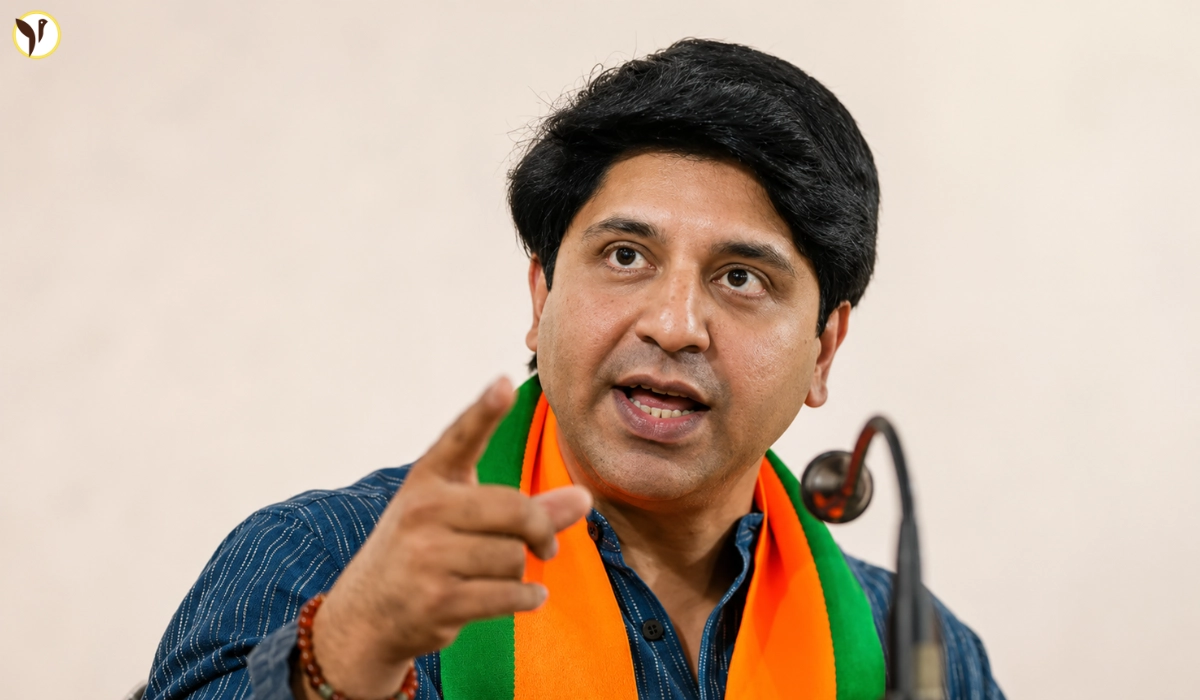
It all started on social media. A user named Pranav Mahajan shared clear photos from what looked like Air India’s official “Style & Image Manual.” The pages said things like:
- “Tikkas and sindoor of any colour on the forehead are not permitted.”
- Bindi was only allowed as a tiny 5mm dot with saree uniform, but not with Indo-Western outfits.
- No wedding choora, no visible mangalsutra, no kalawa thread.
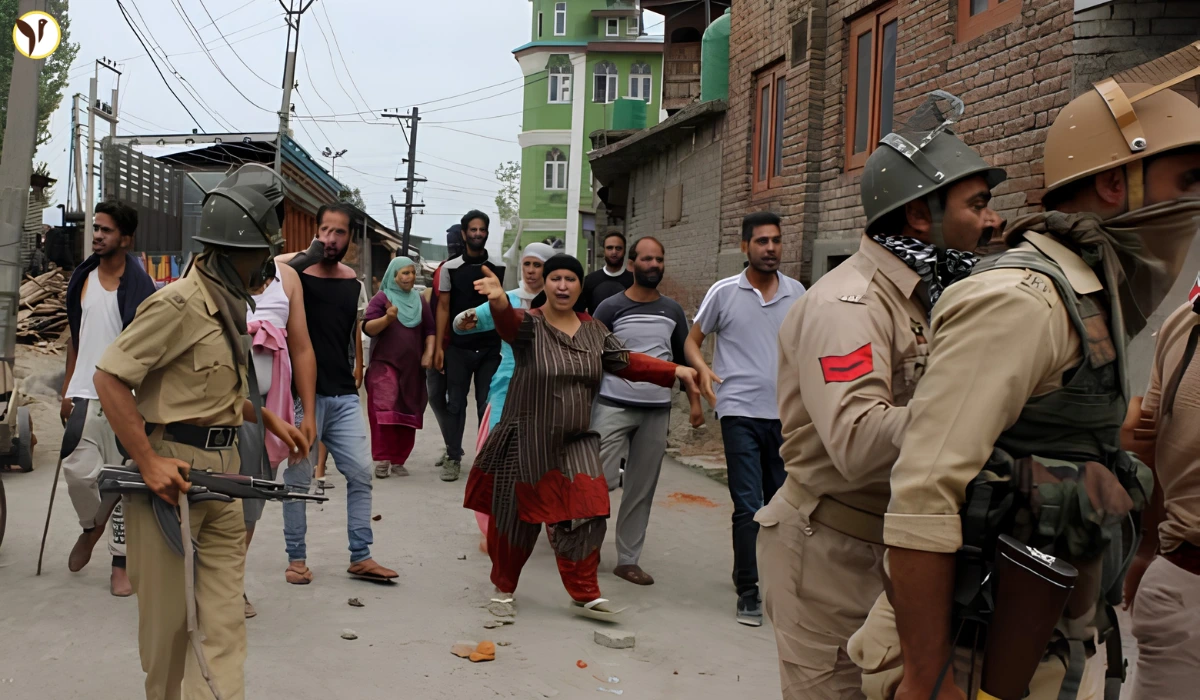
Astonished by the news that Air India was changing its policies regarding various cultural and religious items, such as bindi and sindoor, many flyers/crew believed this action disregarded some of their most cherished everyday Hindu rituals & customs, which millions of women display proudly. The timing of this decision could not have been any worse, following Lenskart's similar controversy only a few days prior. Thus, the world of social networking exploded with the question, "Is Air India copying Lenskart?"
Within hours of being posted, hashtags such as #AirIndiaBindiBan and #NoBindiNoSindoor began trending across all platforms. Mothers, students, and former cabin crew members all shared their stories.
Quick Background: Why Bindi and Sindoor Matter So Much
Let’s make it very clear: The bindi is the little dot on the forehead that is colourful, and this can mean many different things; beauty, the proof of being married, or just something nice. The area in the parting of a woman's hair that is red powder is known as sindoor. This is a symbol of a happy marriage for many Hindu women. Men and women place a mark on their forehead with tilak during prayers and festivals. All of these are more than just appearance. They have existed in the culture of India for many thousands of years.
Many families have a small child who will wear a bindi to identify themselves. When a major corporation tells an employee they can't wear something, it feels personal. Air India’s new rule prohibiting the use of binds by flight attendants has hit many people personally.
The Lenskart Story First – Because It Started There
Going back to April 15 and 16, 2026, a previously leaked staff handbook provided clarity on the companywide dress codes: “no religious tikka/tilak or bindi/sticker is to be worn.” However, the same policy allowed the wearing of black hijab and turban by other faiths, prompting outrage regarding discrimination against Hindu religion practitioners.
Peyush Bansal (founder of Lenskart) immediately took to X and stated Hall's guide had no restrictions on any type of religious expression (bandhu and tilak also included). He referred to the leaked guide as ‘old rubbish’ that had been removed back in February; however, a new will soon be issued. Subsequently, on April 18, 2026, Lenskart published an updated version to allow for “marks of a religious, cultural or family nature (i.e. bindi, tilak, sindoor, etc.).”
Though many were grateful for the prompt apology, the fallout from this incident has been significant - calls to boycott all stores and open protests at locations until there is an apology from the CEO as well as tilaks being placed on foreheads at various locations have generated extensive media reports around this issue; plus, these events have essentially primed conditions for wrenching troubles for Air India.
Timeline of the Full Drama (April 2026)
- April 15-16: Lenskart old guide leaks. Backlash begins.
- April 16-17: Peyush Bansal clarifies on X. Promises update.
- April 18: Lenskart releases new guide allowing bindi, tilak, sindoor.
- April 18 evening: Air India handbook screenshots go viral.
- April 19: Massive social media storm. Pranav Mahajan’s post crosses millions of views.
- April 19-20: Air India issues clarification. Old manual scrapped.
- April 20 (today): Discussions continue. Crew members share private group chats about possible protests like mass sick leave.
No new leaks or fresh statements have come out in the last few hours as of 5 PM IST on April 20.
What Do People Think? Real Voices from Social Media
The reactions are loud and emotional:
- One mother wrote: “My daughter wants to fly with Air India. Should she hide her culture?”
- A former crew member said: “In old days we wore bindis freely. Why change now?”
- Another user joked: “Hijab allowed in some airlines but bindi not? This is pseudosecularism.”
- Positive voices: “Good that Air India clarified fast. Old rules happen everywhere.”
Many compared it to school or exam rules where kalawa threads are removed but hijabs stay. The debate went beyond Air India to bigger questions about fairness in Indian workplaces.
Extra Knowledge: Air India Uniform History You Didn’t Know
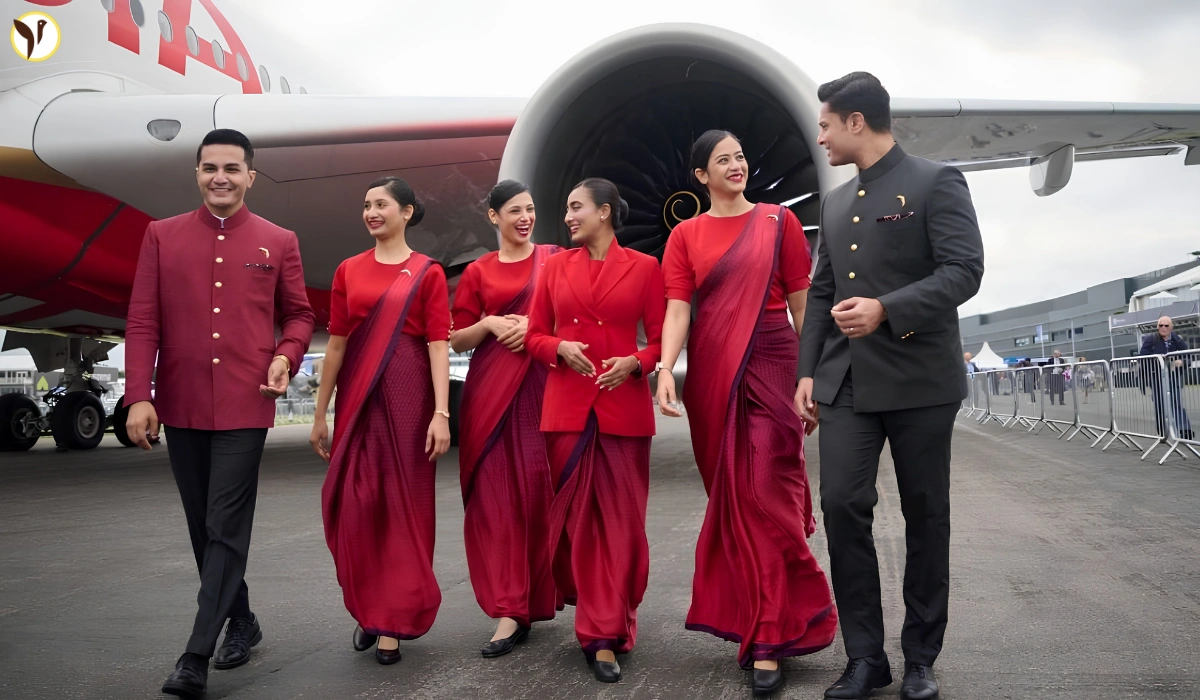
Air India has a long story. Before Tata takeover in 2022, the airline was government-run. Old photos show air hostesses wearing sarees with bindis and small jewellery. After privatisation, the focus shifted to “global look” – neat, professional, international standards.
Tata Group wanted to make Air India world-class like Singapore Airlines or Emirates. But India is different. Our culture mixes with daily life. Many experts say uniform policies must respect Article 25 of the Indian Constitution – freedom to practice religion – while keeping safety and professionalism.
Cabin crew safety is important too. Long earrings or dangling mangalsutra can be risky during emergencies. But a small bindi? Most people say it doesn’t affect safety at all.
Is This Really Copying Lenskart? Or Just Bad Timing?
The “copying” word is everywhere, but facts show both companies used similar old language in their guides. Both called their leaked papers outdated. Both faced the same online anger within days. Coincidence? Or a bigger trend in corporate India?
Lenskart is a young startup. Air India is a 90-year-old airline reborn under Tata. Different worlds, same problem. It shows how quickly social media can put any big brand under the microscope.
What Happens Next? Possible Outcomes
As of April 20, 2026, no official protest from cabin crew unions has started, but some groups are quietly talking about it. Air India may release a fresh, clear handbook soon to stop rumours. Lenskart already updated theirs.
Bigger picture: This could push more companies to review their grooming rules. Maybe a national guideline for respectful uniforms will come one day.
Readers, what do you think? Should airlines let crew wear small bindis and sindoor if it doesn’t affect work? Drop your thoughts in comments when you share this article.
Other Articles to Read:
- Patrick Muldoon Dies at 57 The Story Behind His Rise From TV to Hollywood
- Pati Patni Aur Woh Do Teaser Out: Ayushmann Khurrana’s Triple Love Chaos Creates Drama
- Tanvi Kolte Wins Bigg Boss Marathi Season 6: Maharashtra's Dhakkad Girl
- Billie Eilish In Tears Living Her Fan Dream On Stage With Justin Bieber At Coachella
- Is Dhurandhar 3 Really Coming? Rakesh Bedi's Shocking Revelation!
- Ice Spice Slapped At Hollywood McDonald’s And The Fight Didn’t End There
- WWE SmackDown Results 17 April 2026: Major Twists & Big Wins Before WrestleMania!
- When is Justin Bieber Performing at Coachella Weekend 2? Full Schedule Out!