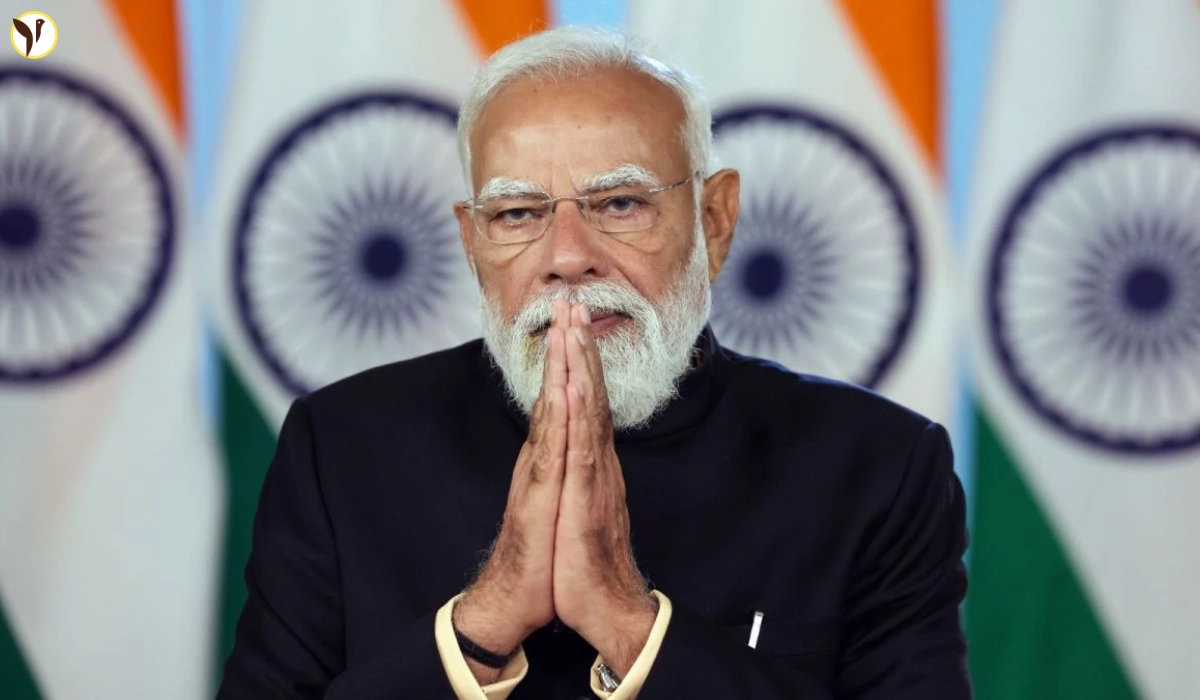


As temperatures soar past 46°C in parts of northwest India, the Prime Minister personally appeals to citizens — urging hydration, kindness, and community care. Here is what you must know to stay safe.
When the head of government personally takes to social media to warn citizens about the weather, it signals that the situation on the ground is more serious than routine summer heat advisories. That is exactly where India stands on Wednesday, May 27, 2026.
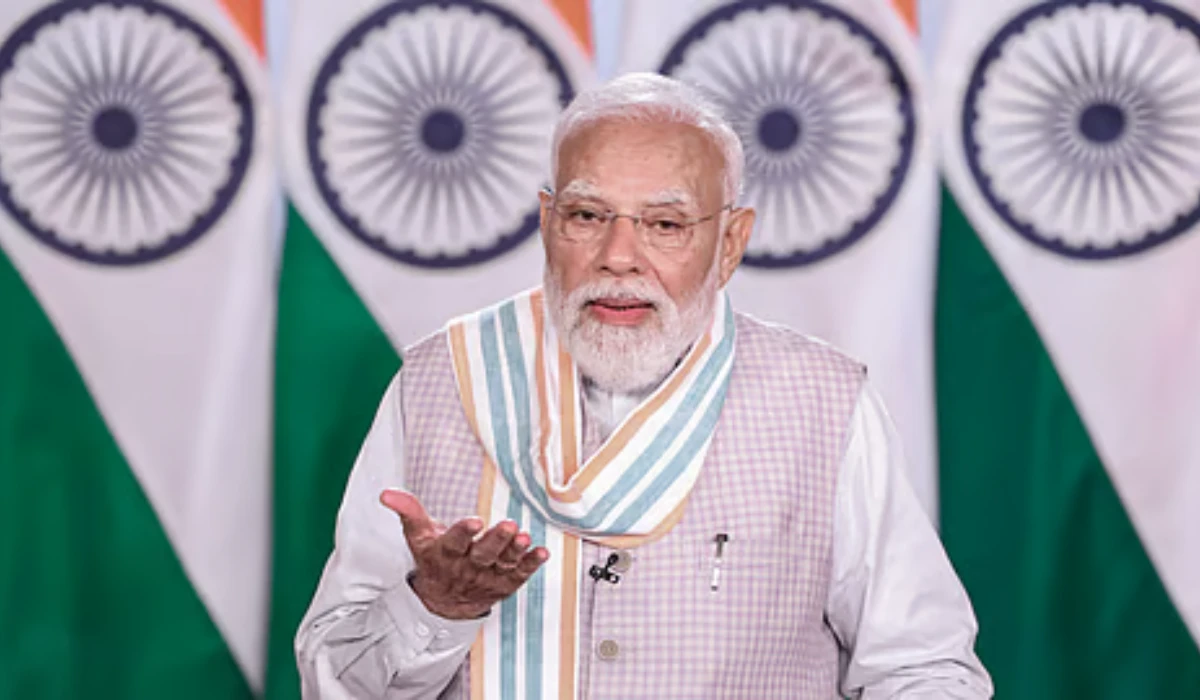
Prime Minister Narendra Modi, in a heartfelt post on X (formerly Twitter), urged every Indian citizen to prioritize hydration, look out for the vulnerable around them — the elderly, the frail, the animals — and treat every stranger's thirst as a shared responsibility. It was a message equal parts civic advice and moral appeal.
What Is Happening on the Ground
The India Meteorological Department (IMD) issued a stark bulletin on May 26: severe heatwave conditions are set to continue over central and northwest India for the next three to four days, with no significant respite for most states until at least June 1.
The worst-affected zones include parts of Rajasthan — where maximum temperatures are expected to touch 46–47°C in western regions — alongside Punjab, Haryana, Delhi, Uttar Pradesh, and Madhya Pradesh. States like Bihar, Odisha, Telangana, and Uttarakhand are under regular heatwave alerts, while Gangetic West Bengal, Konkan, and Tamil Nadu face oppressively hot and humid conditions.
State-Wise Heatwave Alert Status (May 27, 2026)
|
|
|
|
|
|
|
|
|
|
|
|
|
|
|
|
|
|
|
|
|
|
|
|
|
|
|
|
|
|
|
|
|
|
|
|
|
|
|
|
|
|
|
|
|
|
|
|
|
|
|
|
|
|
|
|
|
|
|
|
Why PM Modi's Appeal Carries Weight
Prime ministerial interventions on weather events are unusual — they typically happen when routine government machinery is considered insufficient to drive behavioral change. Modi's message did something deliberate: it reframed heatwave safety not just as personal health advice, but as a social contract.
He urged citizens to check on elderly parents and grandparents, reminding them that older adults are physiologically more vulnerable — their bodies regulate temperature less efficiently, and they often don't feel thirsty even when dangerously dehydrated. He also broke ground with an appeal that stretched beyond humans: a plea to leave a bowl of water out for birds and animals who cannot ask for help.
"Whenever possible, call and check on elderly parents, grandparents and loved ones during this heatwave. Remind them to stay hydrated, avoid stepping out in peak afternoon hours and take rest whenever possible."— PM Narendra Modi, May 27, 2026
His specific mention of heat exhaustion symptoms — dizziness, nausea, unusual headaches, extreme fatigue — was notable. These are the warning signs that, if caught early, prevent a hospital admission. If ignored, they can escalate to heatstroke, a medical emergency with a mortality rate that can exceed 50% without immediate treatment.
Delhi's Ground-Level Response: Heatwave Action Plan 2026
Delhi Chief Minister Rekha Gupta, citing the Prime Minister's guidance, confirmed the national capital is operating its Heatwave Action Plan 2026 "in mission mode." The plan, coordinated through the Delhi Disaster Management Authority (DDMA) alongside more than 17 NGO and institutional partners, represents one of the most structured urban heat responses India has seen.
|
|
|
|
|
|
|
|
|
|
|
|
|
|
|
|
|
|
|
|
|
|
|
|
|
|
|
|
|
|
|
|
|
|
|
|
The Full PM Advisory: What Modi Asked Citizens to Do
Stay hydrated constantly
Carry water when stepping out, even on short trips. Don't wait to feel thirsty.
Offer water to strangers
If you see someone struggling in the heat, a glass of water can be lifesaving.
Check on the elderly
Call grandparents and older relatives. Remind them to avoid peak afternoon sun (12–3 PM).
Act on warning signs
Dizziness, nausea, headache, or extreme fatigue = move the person to shade and seek help immediately.
Leave water for animals
A small bowl of water on a balcony, terrace, or outside your shop can be a lifeline for birds.
Keep pitchers outside
Place a matka (clay pot) outside your home or shop so passersby can drink — an old Indian tradition reclaimed.
How Does 2026 Compare?
What makes the 2026 heatwave season particularly complex is a climatic paradox: IMD's monthly forecast had predicted that May 2026 would be cooler-than-usual for large parts of India, thanks to the influence of active western disturbances and above-normal rainfall in March–April. Yet parts of northwestern and peninsular India bucked that trend, with northwest India remaining under persistent severe heatwave conditions.
IMD also flagged the emergence of El Niño-leaning ENSO conditions in the equatorial Pacific — a development that typically correlates with drier, hotter conditions over the Indian subcontinent in subsequent seasons. The World Meteorological Organization (WMO) had already flagged this trend earlier in 2026.
|
|
|
|
|
|
|
|
|
|
|
|
|
|
|
|
|
|
|
|
|
|
|
|
PM Modi Appeal: पीएम मोदी ने इस बार लोगों को क्या करने को कहा? | Heat Wave | PM Modi on Heat Wave#PMModi #WeatherAlert #amarujala pic.twitter.com/XaUQejWRt7
— Amar Ujala (@AmarUjalaNews) May 27, 2026
What Happens Next: Relief on the Horizon?
For Rajasthan, partial relief may arrive by May 28–29, when a fresh western disturbance is expected to bring thunderstorms and strong winds of 50–60 km/h, potentially dropping maximum temperatures by 2–3°C. However, IMD has indicated no significant change in maximum temperatures for most of the rest of the country until May 31.
The monsoon's southwest arrival — typically expected over Kerala by the first week of June — remains the most anticipated climate event. A timely, normal-onset monsoon would provide India's most natural and comprehensive relief from the summer heat. IMD's long-range forecast for the 2026 southwest monsoon season is being monitored closely.
The Civic Dimension of a Weather Crisis
There is something worth noting about the texture of PM Modi's message: it did not simply issue an instruction. It placed citizens in relationship with one another — with the elderly next door, with a laborer caught in the open, with a sparrow on a sun-baked terrace. In a country where government heatwave plans can look comprehensive on paper but fail at ground level — as critics of Delhi's 2024 water delivery record have pointed out — this kind of social mobilization message attempts to fill the institutional gaps with human solidarity.
Whether it works depends on whether citizens absorb it as an instruction, or as a genuine call to shared responsibility. India's matka tradition — leaving clay pots of cool water outside homes for strangers — predates any government initiative. Modi's invocation of it is a reminder that India's oldest community infrastructure may still be its most reliable one in a crisis.
Other Articles to Read:
- Off Campus Star Ella Bright Reacts To 10 Year Age Gap Controversy With Belmont Cameli
- Dhurandhar Production Designer Accused of Sexual Harassment, Gets Bail
- Virat Kohli Runs To Hug Anushka Sharma After RCB Reach IPL 2026 Final
- Vishal Dadlani Fired From Indian Idol 16 Because of PM Modi Comment?
- Abhijeet Bhattacharya Says Varun Dhawan Cannot Replace Salman Khan In Chunnari Chunnari