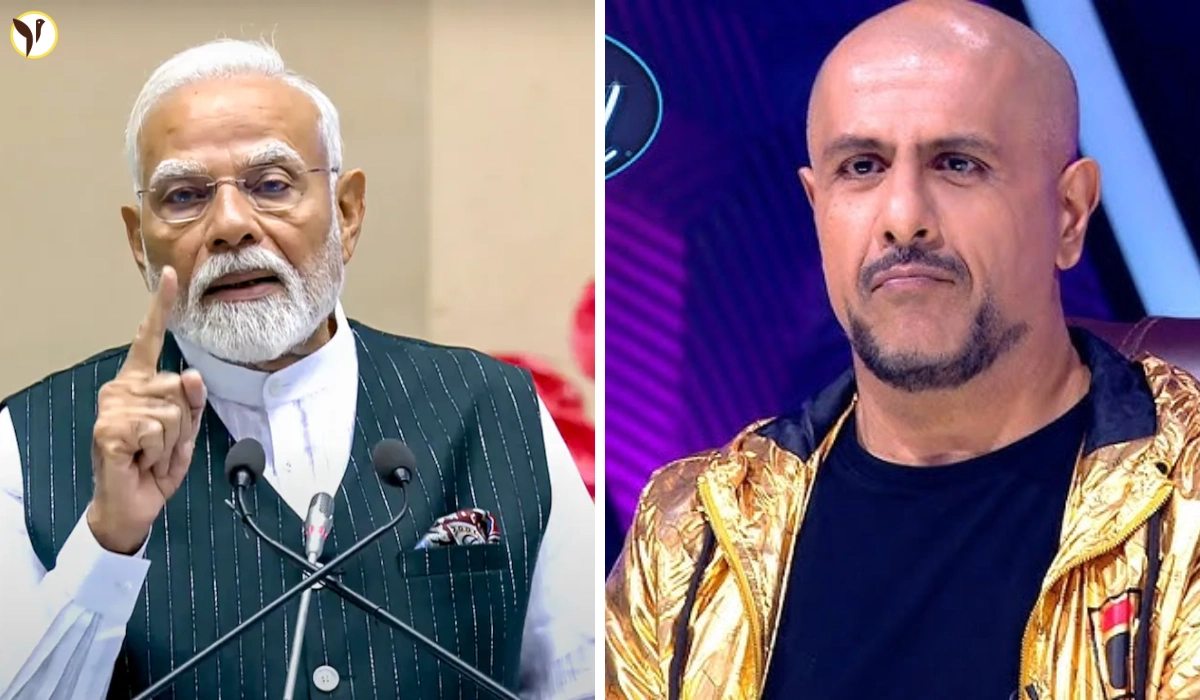


A viral storm swept social media this week with a claim that sent fans into a frenzy: Vishal Dadlani, the popular singer-composer and long-standing judge of Indian Idol, had allegedly been fired from Season 16 of the show — all because of a pointed comment he made against the PM Modi–led government over the NEET-UG paper leak controversy. Within hours, the story had been shared thousands of times, fuelling outrage and speculation across platforms.
What Sparked the Viral Rumour?
The chain of events began when Vishal Dadlani posted a video on social media expressing his solidarity with students affected by the alleged NEET-UG 2026 paper leak. In the video, he described the situation as "disgraceful," questioned the lack of accountability from authorities, and made no effort to hide his frustration with the ruling establishment. His now-viral Hindi remark — "Aise jahil gawaron ko please power mein mat daliye" (meaning: "Please don't put such ignorant fools in power") — was a direct jab at those governing the country.
The comment drew an immediate and divided reaction. Supporters praised Dadlani for speaking up where most Bollywood figures stay carefully silent. Critics, particularly those aligned with the BJP, slammed him for what they viewed as inappropriate political grandstanding.
Then came the next twist: unnamed social media accounts began circulating claims that Sony Entertainment Television had quietly dropped Dadlani from Indian Idol 16 as a consequence of his remarks. The implication was unmistakable — that his criticism of PM Modi had cost him his seat on the judging panel.
What Actually Happened: The Facts
Here is where the story needs a sharp reality check.
Vishal Dadlani has NOT been removed from Indian Idol 16. As of May 26, 2026, the SonyLIV official page for Indian Idol 16 continues to list Dadlani alongside Shreya Ghoshal and Badshah as the season's judges. No official communication — from Dadlani, Sony Entertainment Television, or production house Fremantle India — confirmed any removal.
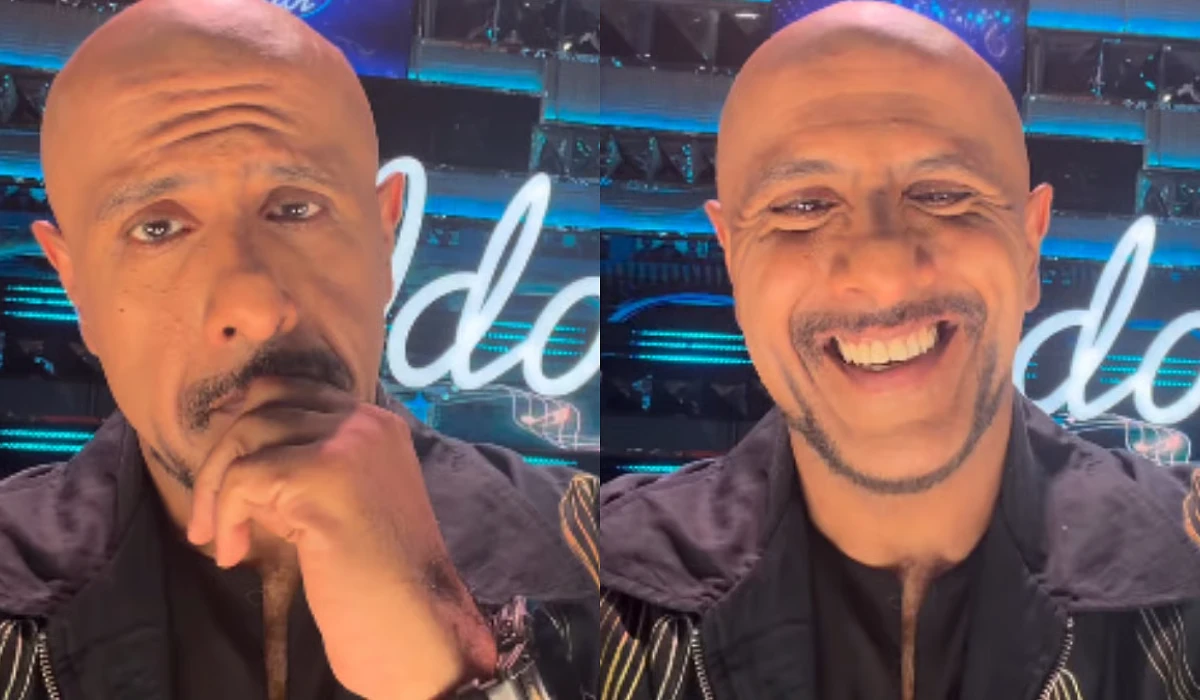
Dadlani himself stepped up to shut down the rumours with characteristic flair. On May 26, he posted a video on Instagram from the sets of Indian Idol, pretending to cry dramatically before bursting into laughter and declaring, "Here I am, baby!" His caption was direct: "Remember not to trust anything you see online. There's a whole lot of manipulation going on. Keep fighting the good fight, and saying what needs to be said!"
The post went viral — this time, for the right reasons.
Indian Idol 16: A Quick Fact Sheet
|
|
|
|
|
|
|
|
|
|
|
|
|
|
|
|
|
|
|
|
|
|
|
|
Why Did This Rumour Spread So Fast?
Understanding why a false story like this gains traction is as important as debunking it.
Dadlani is not a newcomer to controversy. Over the years, he has been vocal on social media about political and social issues — a rare trait in an industry where most celebrities guard their neutrality like a brand asset. His history includes public support for student movements, criticism of government policy, and outspoken opinions on matters ranging from censorship to communal politics.
This track record made the rumour believable to many people. The narrative fit a familiar cultural anxiety: that public figures who criticise power face quiet retribution. Social media algorithms, which reward outrage over accuracy, did the rest.
Several users who shared the story also pointed out, after Dadlani's response, that celebrities are disproportionately targeted with fabricated "consequences" whenever they take a political stand. The manufactured narrative of a firing serves a dual purpose — it intimidates future dissent and weaponises a public figure's credibility.
What Vishal Dadlani Actually Said About NEET — And Why It Matters
The NEET-UG 2026 paper leak controversy is not a trivial backdrop to this story. It is a deeply serious issue affecting lakhs of students across India who spend years preparing for one of the country's most competitive medical entrance examinations.
Dadlani's video was not a random outburst. He explicitly said he wanted to stand in "support and solidarity" with affected students, many of whom had spent significant time preparing for the exam. He described repeated examination irregularities as "wrong," criticised the absence of accountability from the authorities responsible, and questioned public responses that downplayed the seriousness of the crisis.
His broader point — that the leadership of a country is accountable for systemic failures in public institutions — is a legitimate democratic argument, regardless of one's political affiliation. Whether one agrees or disagrees with his framing, the substance of his concern is widely shared across the political spectrum.
Vishal Dadlani's History of Speaking Out: A Pattern Worth Noting
This is not Dadlani's first brush with controversy for voicing political opinions. Over the years, he has:
- Publicly criticised government handling of various social issues
- Faced backlash for his views on governance and civil liberties
- Expressed support for student and protest movements
Each time, the attempt to silence or marginalise him through social media pressure has failed. His response to the Indian Idol removal rumour follows the same pattern — direct, self-assured, and unwilling to capitulate to manufactured narratives.
It is also worth noting that this is not the first time false "firing" or "replacement" stories have circulated about Dadlani on Indian Idol. During the end of Season 12, he was replaced by Anu Malik — reportedly for financial reasons, not political ones. That precedent may have made the current rumour seem more credible to those unfamiliar with the facts.
The Bigger Picture: Misinformation Targeting Outspoken Celebrities
What this episode reveals is a broader and increasingly common pattern in India's digital information landscape. When a celebrity takes a public stance on a politically sensitive topic, coordinated misinformation campaigns often emerge — sometimes to punish them symbolically, sometimes to deter others from following suit.
The "celebrity got fired for political opinion" narrative is a particularly effective one because it is impossible to immediately disprove. It exploits the gap between real-time social media chatter and official communication, which is often slow to emerge.
Dadlani's swift, humorous, and on-set response is a useful model for how public figures can handle such situations — with clarity and without amplifying the original lie by being defensive about it.
Verdict: Viral Claim vs. Verified Facts
|
|
|
|
|
|
|
|
|
|
|
|
|
|
|
|
|
|
What Happens Next?
- Indian Idol 16 continues with Dadlani, Shreya Ghoshal, and Badshah as judges
- Dadlani is likely to continue speaking on social issues, given his track record
- Social media users may continue circulating the rumor despite debunking—media literacy remains critical
Other Articles to Read: