


Thousands of drivers working with popular ride-hailing apps like Ola, Uber and Rapido have announced a nationwide strike on February 7, 2026, which could disrupt cab, auto and bike taxi services in several major cities across India. The protest, known as “All India Breakdown,” is aimed at highlighting long-standing concerns over earnings, fare rules and working conditions. This article covers the key details of the strike and why it matters for everyday commuters.
Why Ola, Uber and Rapido Drivers Are Protesting Nationwide
The nationwide strike has been organised by the Telangana Gig and Platform Workers Union (TGPWU) along with other gig worker groups. Drivers say the current ride-hailing system does not treat them fairly and is causing serious financial pressure.
- No Government-Approved Minimum Base Fare: Drivers say there is no fixed minimum fare for app-based cabs, autos and bike taxis. This allows companies to lower prices, which reduces driver earnings.
- Unregulated Fare Practices: Even after the Motor Vehicle Aggregator Guidelines, 2025, unions claim fares are still controlled by platforms without proper monitoring, making income unpredictable.
- High Commissions and Rising Costs: Drivers pay high commissions while fuel, maintenance and insurance costs keep increasing, leaving little profit at the end of the day.
- Use of Private Vehicles for Paid Rides: Unions say private vehicles are being used for commercial rides, creating unfair competition and safety concerns.
- Lack of Job Security and Benefits: Drivers want basic protections like health insurance, social security and safeguards against sudden account blocks.
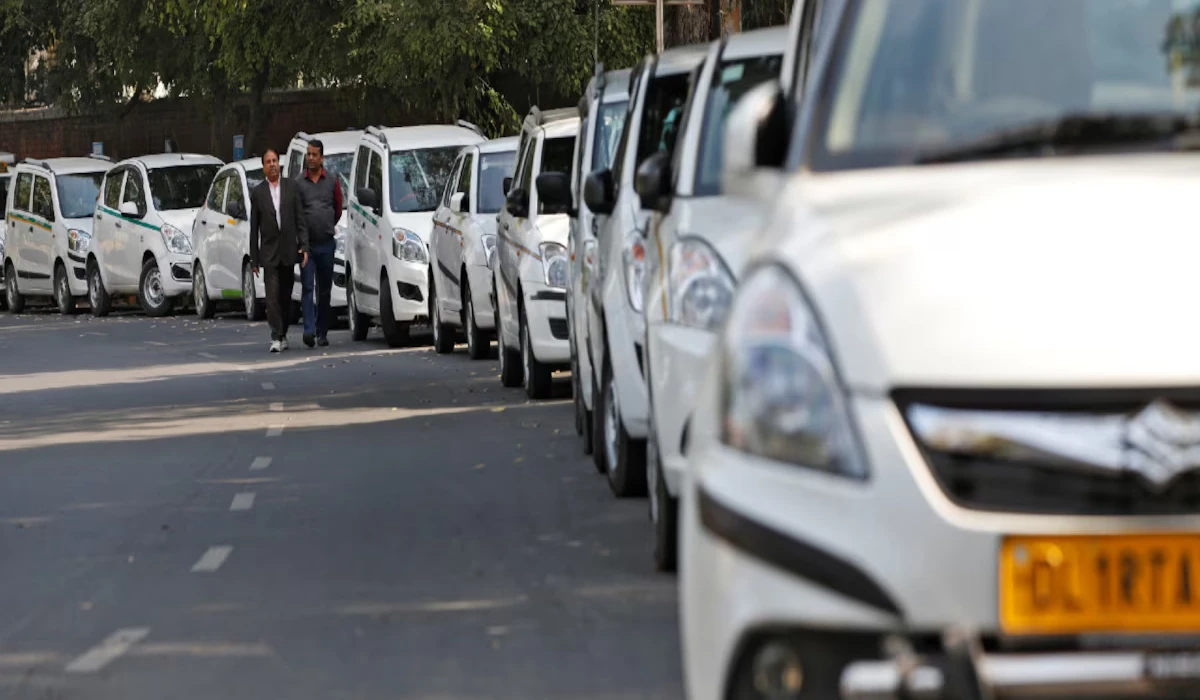
Key Demands of Ola, Uber and Rapido Drivers
In their formal letter to the Union Minister for Road Transport and Highways, drivers have listed several core demands:
|
|
|
|
|
|
|
|
|
|
|
|
|
|
|
|
|
|
How Will the Strike Affect Commuters?
Commuters in many cities such as Delhi, Mumbai, Bengaluru, Kolkata, Pune, Hyderabad and Chennai may experience delays, fewer available rides, or higher surge pricing during peak hours on February 7. Experts recommend planning alternative options like public transport, car pools, or booking rides earlier than usual, especially for morning and evening travel. In some areas, only independent meter-run taxis or local buses may remain widely available if app services fully participate in the strike.
Office-goers, students and airport travelers are advised to keep extra travel time in hand to avoid last-minute stress. Ride availability may also differ from city to city depending on how many drivers join the strike.

Industry and Platform Companies Under Pressure
Ride-hailing companies are closely watching the situation as repeated strikes affect public trust and daily operations. While companies aim to keep services running smoothly for users, drivers say lasting solutions are needed to avoid future protests.
Ola, Uber and Rapido Strike: Government Response Still Pending
So far, there has been no official response from the central or state governments on the demands raised by driver unions. Labour experts say discussions may begin if the strike causes widespread disruption, especially in metro cities where app-based transport is heavily used.
OTHER ARTICLES TO READ:
- Tamil Actress Anju Krishna Arrested in Chennai Drug Case – Full Story Inside
- Proud Moment’: Virat Kohli’s Message to Smriti After RCB’s WPL Win
- Caught on Camera: ‘Pregnant’ Mrunal Thakur Shoots With Varun Dhawan
- UGC NET 2025 Result Out – Did You Qualify for JRF or Assistant Professor?
- Kis Kisko Pyaar Karoon 2 Goes Digital: OTT Date, Cast and Plot Highlights
What the Strike Means for Gig Economy Rules in India
Government officials have not yet responded publicly to the union demands. Some labour analysts believe that if negotiations begin before or after the strike, it could set a new precedent for gig economy regulation in India. Industry insiders say both sides are watching closely drivers want stronger protections and fair wages, and companies want stable service for customers without ongoing protests