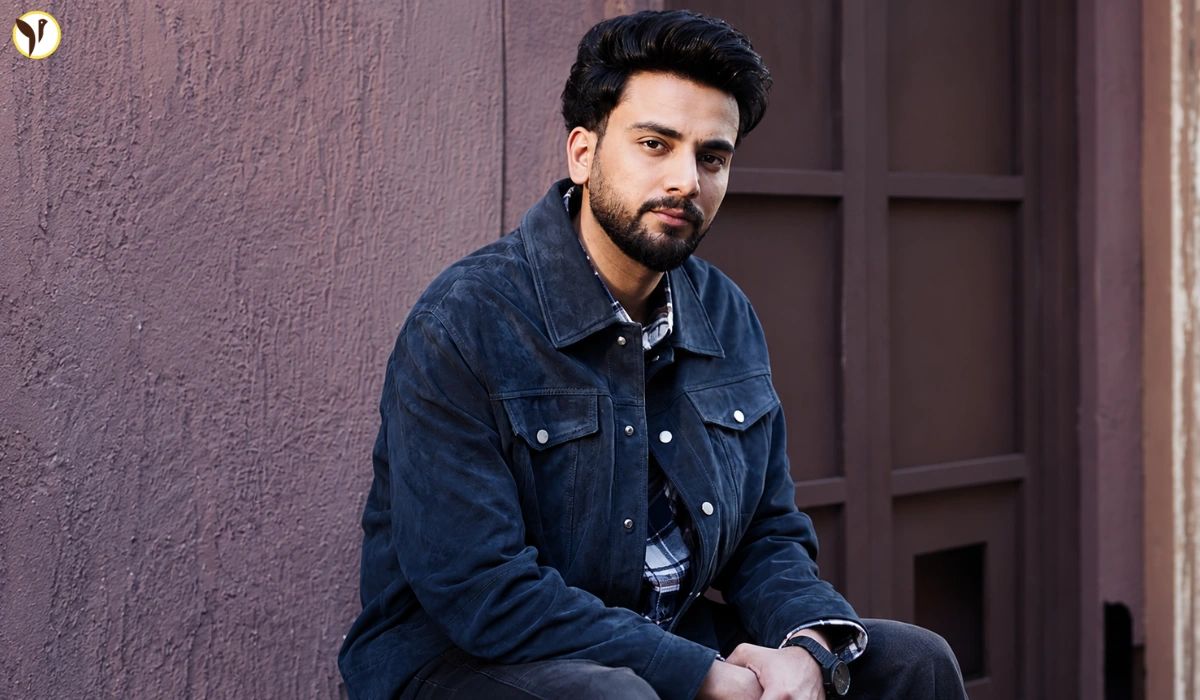
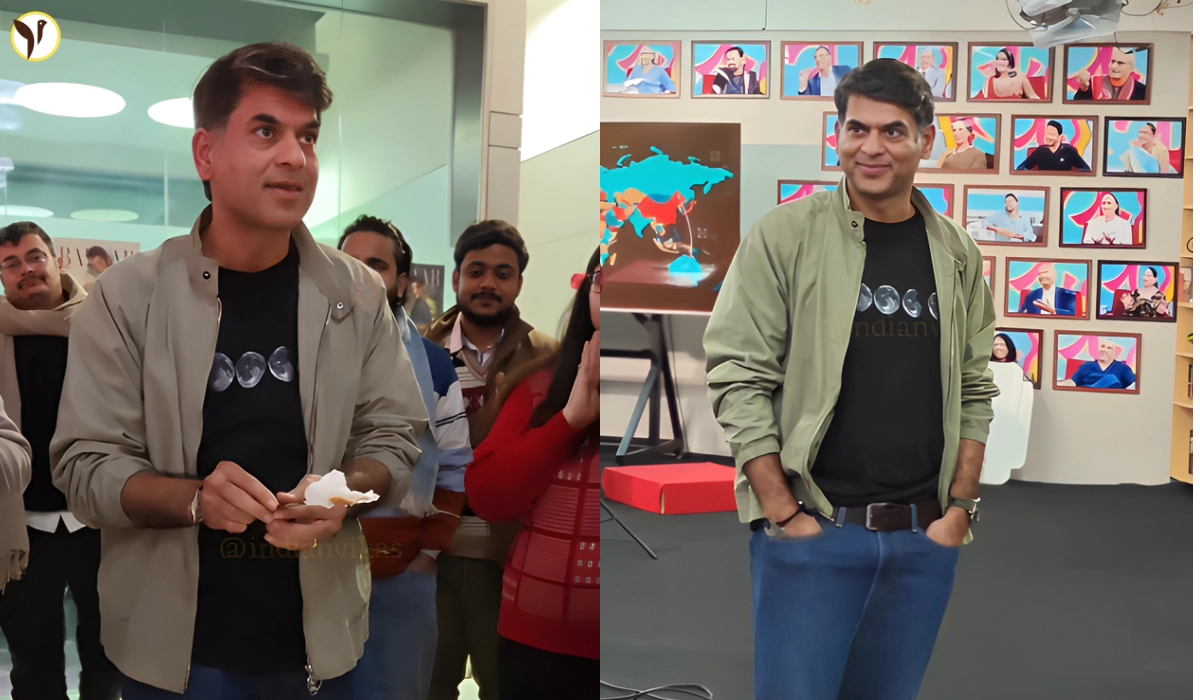


When a voice that helped shape Hindi digital journalism steps away, it matters not just to media insiders but to millions of readers who followed his work. On January 5, 2026, Saurabh Dwivedi, the founding editor of The Lallantop and long‑time editorial leader at the India Today Group, announced his departure after nearly 12 impactful years. His exit comes at a moment when digital news platforms are under scrutiny and evolving fast.
A Distinctive Journalist Leaves a Platform He Helped Build
Saurabh Dwivedi’s career in journalism spans over a decade and a half. A graduate in Hindi literature and mass communication who began his professional journey in mainstream media, he became widely known for his work in Indian journalism through television and digital platforms. As founding editor, he guided The Lallantop from its early days into one of the most recognizable Hindi news outlets online.
His final announcement came via his official X (formerly Twitter) account, where he posted a reflective note quoting an Urdu couplet and expressing gratitude for the journey and lessons learned. Alongside thanks, he mentioned taking a brief break before deciding his next professional direction.
What Changed at Lallantop
With Dwivedi’s departure, editorial leadership at The Lallantop is changing hands. Kuldeep Mishra, a senior member of the founding team, will step in as editorial head. Rajat Sain will lead the production unit. Both have been part of the platform’s growth and are known to regular viewers.
The India Today Group, which houses The Lallantop among its digital properties, acknowledged Dwivedi’s contribution and framed the transition as part of his desire to explore new creative avenues. In messages shared by group leadership, there was an emphasis on appreciation and continuity rather than controversy.
Context: Why This Departure Gets Attention
The Lallantop gained a distinctive voice by blending conversational Hindi news with interviews, on‑the‑ground reporting, and cultural stories that appealed especially to younger audiences. Under Dwivedi’s editorial direction, it established a reputation for being direct and relatable, carving out space in a competitive media market.
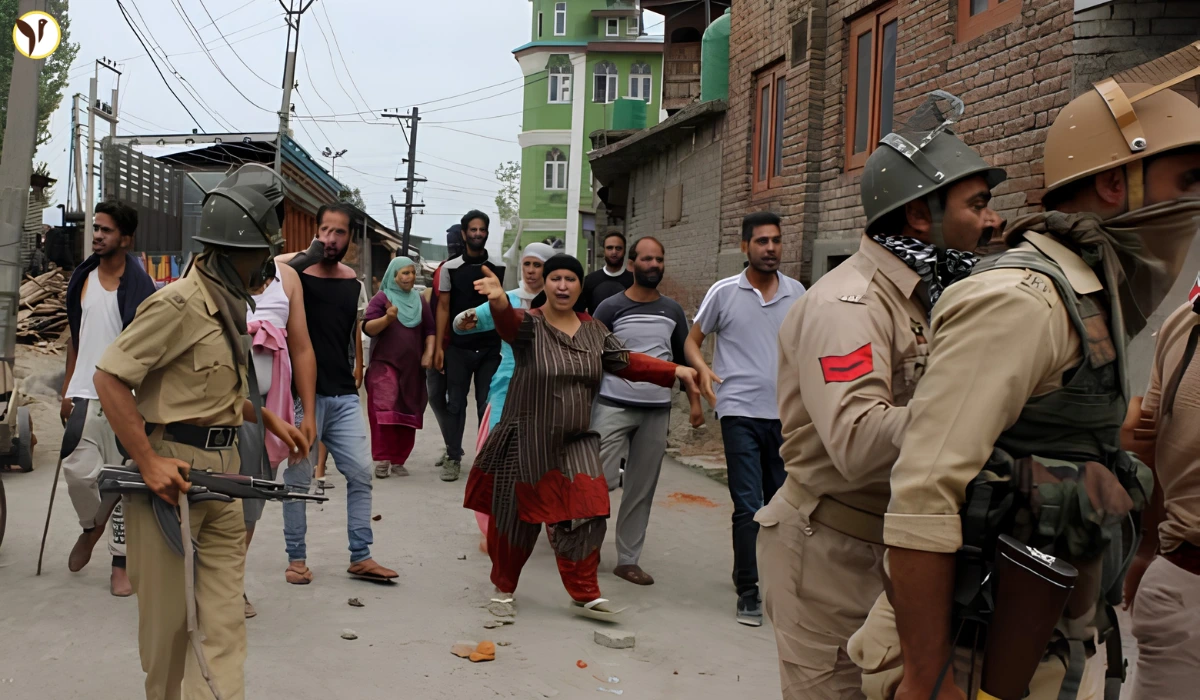
His resignation comes shortly after several shows that took aim at local governance issues – for example, highlighting a contaminated water crisis in Madhya Pradesh – which sparked conversation online about media freedom and editorial independence. While there’s no official link between any specific broadcast and his exit, the timing has sparked discussion among audiences and media watchers alike.
For Indian readers, this moment reflects broader questions about how digital journalism is evolving, where editorial independence sits within larger media groups, and how audiences perceive accountability and critique in reporting.
The Personal and Professional Angle
Unlike exits driven by retirement or formal announcements of new ventures, Dwivedi’s note was introspective and open‑ended. His reference to a “pause” before a “new journey” suggests he isn’t leaving journalism entirely, but perhaps looking for new formats or platforms outside the traditional newsroom structure.
This resonates with a growing trend in Indian media where established journalists choose independent or niche spaces over legacy institutions. For readers and aspiring journalists, it highlights the shifting nature of media careers today.
OTHER ARTICLES TO READ:
- Varun Dhawan Hits Back at Fan's Criticism on Recent Films!
- iPhone Joy Turns Deadly: 3 Delhi Friends Die in Murthal Crash
- Why Did Trump Say PM Modi Is Unhappy Over Tariff Payments?
- Why Splitsvilla Winner Jay Dudhane Arrested in Mumbai? Full Details
- Why Ragini Khanna Spoke Now on Govinda Gun Accident? Full Context Inside
- Aamir Khan Was Angry on Sunil Grover? The Full Drama Unfolded!
- Nupur Sanon and Stebin Ben Get Engaged Ahead of Udaipur Wedding
- Telangana School Bus Crash: 40 Students Injured After Falling Into Canal
- What Does the Yellow Alert Mean for Mumbai Right Now?
- Abhishek Malhan Denies Engagement Rumours with Jiya Shankar
What This Means for Readers
For regular audiences of The Lallantop, Dwivedi’s exit may raise questions about the platform’s editorial future. Will the tone change? Will coverage remain as bold or candid? Early signs point to continuity, with seasoned team members at the helm. Kuldeep Mishra and Rajat Sain are already familiar faces to viewers.
For the larger Hindi news ecosystem, this moment underlines how digital platforms have matured into their own identity, separate from traditional print or TV channels. It also underscores that journalists increasingly build personal brands that can outgrow the institutions that nurtured them.
Conclusion
As Dwivedi takes time off and considers his next steps, the media world will watch closely. Whether he launches an independent project, joins another outlet, or experiments with new formats like podcasts, newsletters, or video platforms, the decision will likely reflect broader shifts in how news and analysis connect with audiences today.
For The Lallantop, the leadership transition will test if its distinctive voice can continue without the personality that helped define it — and whether new editors will maintain the balance between relatability and rigorous reporting.