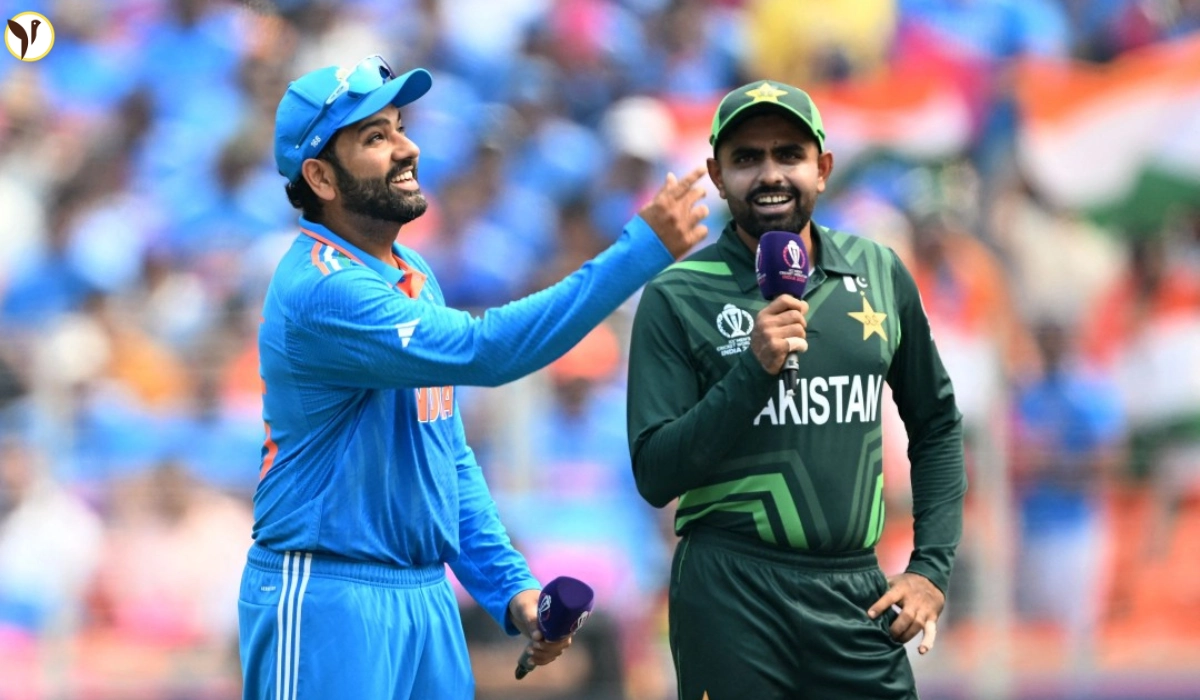


In a dramatic turn for international cricket, Pakistan’s government has confirmed that its men’s cricket team will take part in the ICC Men’s T20 World Cup 2026 but will refuse to play against India in their scheduled Group A match on 15 February 2026 in Colombo, Sri Lanka. This decision puts one of the sport’s most iconic rivalries on hold for the tournament.
Official ICC Statement Breakdown
On February 1, 2026, ICC released a clear note after Pakistan's government announced the boycott. They noted the government's X post but said they hadn't heard officially from PCB yet. ICC called selective play a problem for fair global events, where all teams must compete as scheduled. They urged PCB to think about long-term harm to Pakistan's cricket scene.
No Harsh Penalties as of Feb 3
Unlike Bangladesh's ouster earlier, ICC held back on Pakistan. No team bans or player exclusions. Instead, they broke silence to warn of ecosystem damage, like lost global events or revenue dips. This balanced act spared the team while signaling rules matter.
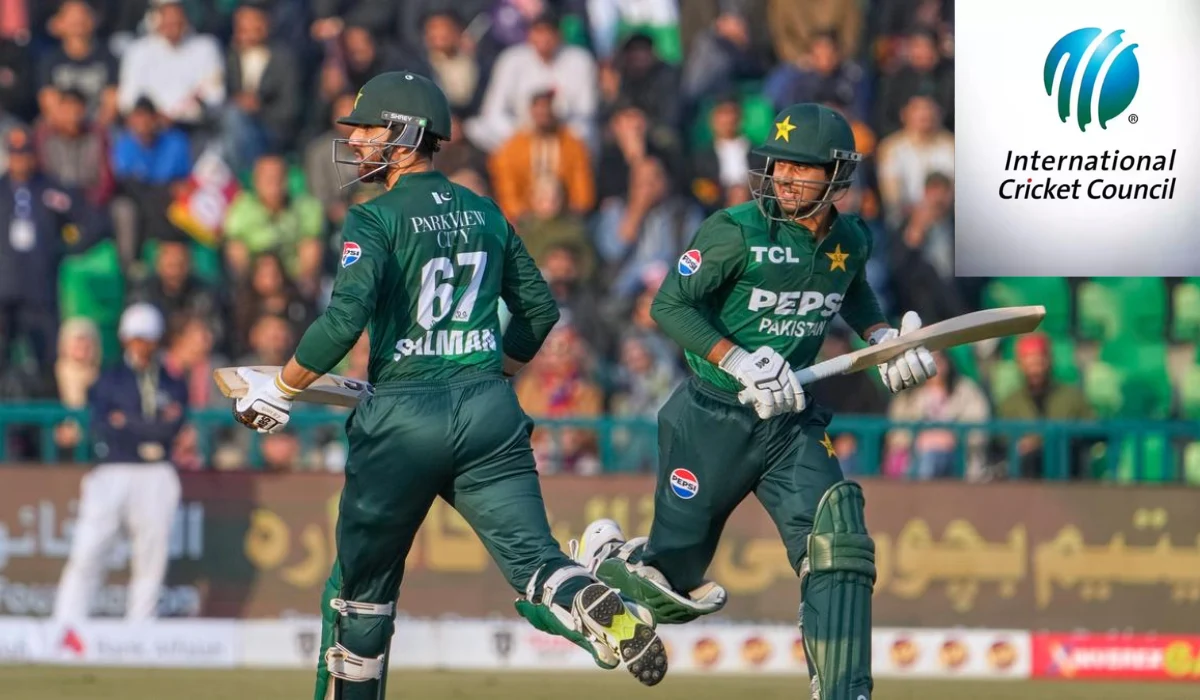
Pakistan's Bold Boycott Announcement
Back on January 31, 2026, Pakistan's government dropped a bombshell. They said their cricket team could join the ICC Men's T20 World Cup 2026 in Sri Lanka, but no way would they step onto the field for the February 15 clash with India at R. Premadasa Stadium in Colombo. This came right after Bangladesh got kicked out of the tournament for security hiccups with matches in India. Pakistan stood up for Bangladesh, calling it unfair treatment. PCB chief Mohsin Naqvi hinted at "no double standards," firing up talks across borders.
The decision shook the cricket world. Pakistan's matches were all set in Sri Lanka anyway, thanks to old rivalries between the two nations. No official word from PCB to ICC yet, but the government's X post made it clear – selective play only. Fans in Lahore and Karachi cheered the stance, seeing it as pride, while others worried about missing the epic India-Pakistan thrill.
ICC Fires Back with Strong Words
By February 1, 2026, the ICC hit back hard. Their statement called out the boycott as a hit to cricket's fair play. "Selective participation undermines the spirit of global events," they said. They waited for PCB's formal note but warned of long-term fallout for Pakistan cricket – think fewer tournaments, lost spots, or worse. Governments matter, sure, but fans everywhere, including Pakistan's millions, deserve full action.
This wasn't just talk. ICC stressed equal terms for all teams. PCB informed ICC quietly, as per reports, but no changes yet. Live streams on YouTube from Aaj News and News9 buzzed with debates. BCCI sources said India would show up, practice, and wait for the referee to call it off – no drama from their side.
‘Not playing India will harm Pakistan’s chances at T20 World Cup’ Pakistan have confirmed participation in the tournament but have boycotted India match. @gulf_news @T20WorldCup @cricketworldcup @ICC @TheRealPCB @BCCI https://t.co/hwUZtlCFw0 pic.twitter.com/8lj0edYKgd
— Gulf News Sport (@GulfNewsSport) February 3, 2026
Conclusion — Pakistan’s Boycott Shakes Global Cricket
Pakistan’s backlash against playing India at the T20 World Cup 2026 has turned a sporting event into a geopolitical spectacle. The ICC’s strong reaction, opposing views within cricket communities, and looming consequences make this one of the most consequential developments in recent cricket history.
Whether this episode weakens global cricket cooperation or forces structural reforms within the sport’s governing system will become clearer as the tournament progresses. For now, the world watches not just the cricket, but the politics surrounding it.
OTHER ARTICLES TO READ:
- Major Accident in Dehradun: Himachal Roadways Bus Skids Into Gorge
- Did Akshay Kumar Just Steal the Spotlight With His Anniversary Joke? In Wheel of Fortune
- Dhurandhar 2 Teaser Out! Ranveer Singh’s Dark Side Will Shock You
- CBSE Class 12 Physics: Easy Last 10 Days Revision Plan 2026
- Aamir Khan Visit Arijit Singh’s Home in Bengal? for Fly a Kite
- US Cuts Tariffs on India to 18% – What This Means for Made in India Exports
- Is Kelly Clarkson Really Ending Her Talk Show After 7 Seasons? Full Details
- Why Is Everyone Waiting for 12 PM? Dhurandhar 2 Teaser With New Poster