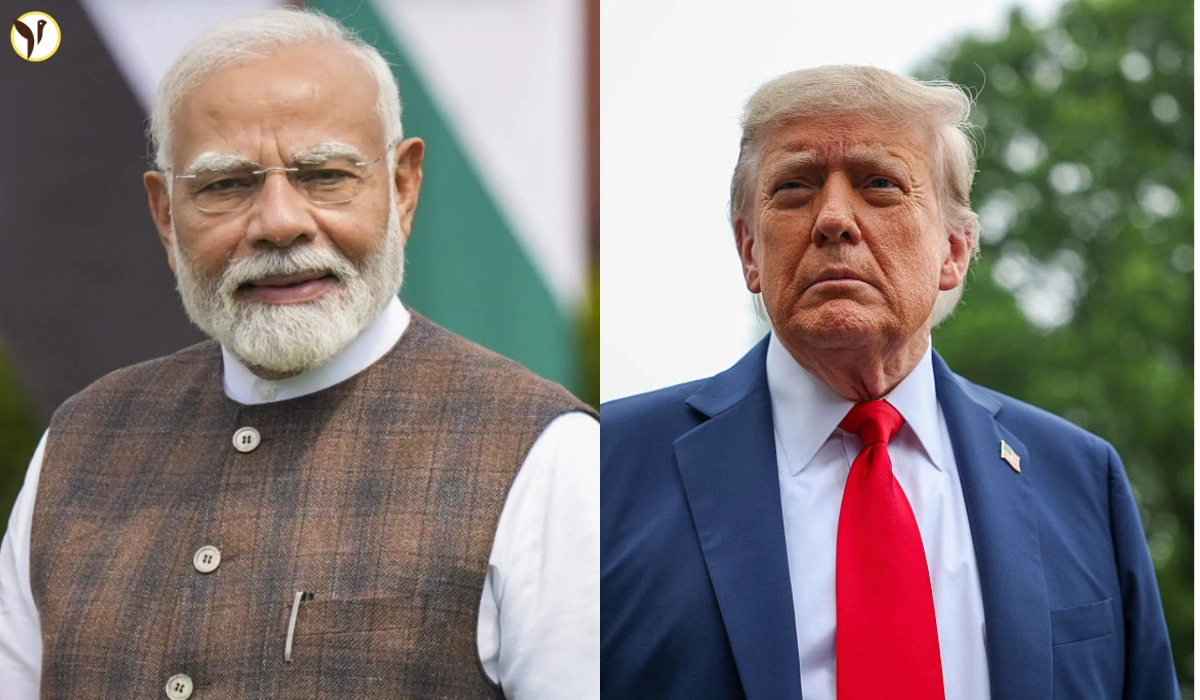


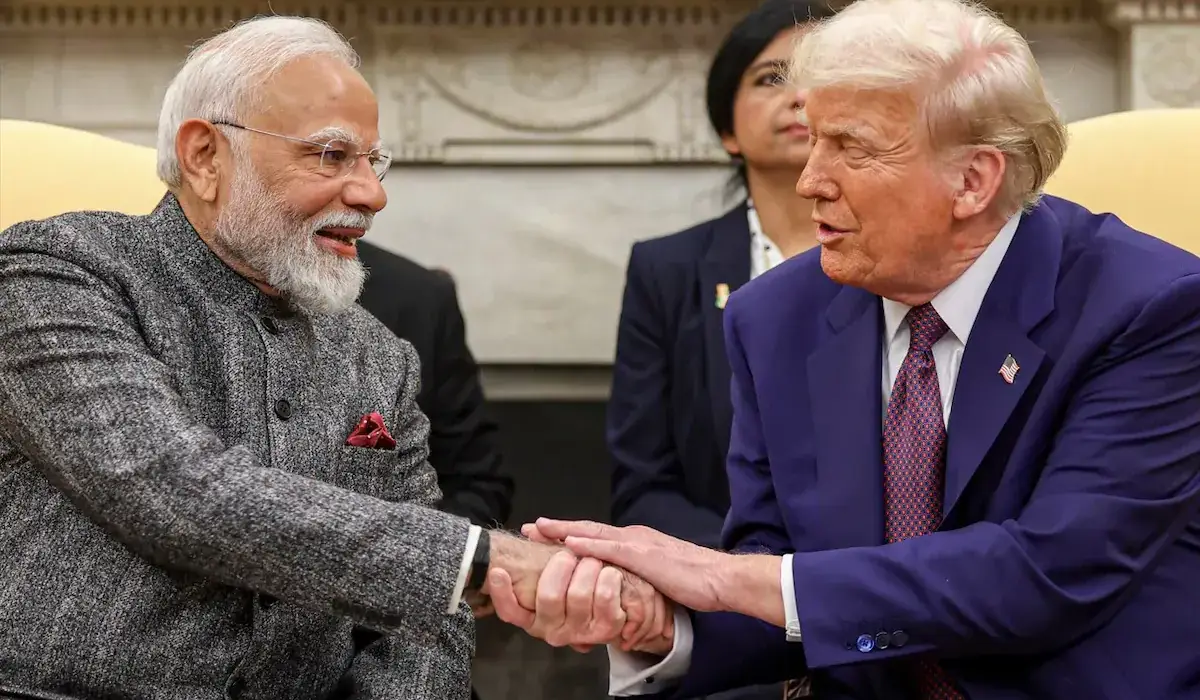
On February 2, 2026, the United States announced a major trade agreement with India following a call between President Donald Trump and Prime Minister Narendra Modi. As a result of this agreement, all types of goods entering the U.S. from India will be subject to a tariff of only 18 percent, which will boost Indian exports dramatically, create many new jobs, provide a boost to the value of the rupee and improve India's ability to compete against China and other global competitors.
In addition to these benefits, India has also agreed to purchase $500 billion worth of U.S. energy, technology, and agricultural and coal products, while at the same time making a commitment to gradually reduce its own trade barriers. Some analysts believe that this agreement could represent a significant change for manufacturers of Made in India products, which would be advantageous to businesses and employees nationwide.
What the 18% Tariff Deal Means for India’s Trade with the United States
The tariff reduction comes after high US duties were imposed in response to India buying Russian oil during the Ukraine war. Tariffs had soared to 50 percent last year on several Indian exports. Following the bilateral talks, the US agreed to cut the tariffs to 18 percent, while India will shift its oil imports to the US and other partners like Venezuela. This trade deal strengthens India’s position in global markets and builds on recent agreements with the European Union.
🚨US PRESIDENT DONALD TRUMP REDUCES TARIFF TO 18%.#Sensex #GIFTNIFTY #NatureLovers #Dhurandhar2 #DonaldTrump pic.twitter.com/Wt5quOY574
— tage taki (@tage_taki42788) February 3, 2026
Made in India Exports Benefit from 18 Percent Tariffs
Lower tariffs make Indian goods more competitive in the US, potentially boosting exports in textiles, gems, pharmaceuticals, auto parts, and IT hardware. Experts estimate export growth of 20 to 30 percent in the near term. Key gains include:
|
|
|
|
|
|
|
|
|
|
|
|
|
|
|
|
|
|
|
|
|
|
|
|
|
|
|
|
|
|
How India Beats China and Regional Rivals in US Export Markets
India now enjoys lower US tariffs than China (34-37%), Vietnam (20%), Pakistan (19%), and Bangladesh (20%). This positions India as a preferred supplier for the US, boosting demand for products like garments, jewelry, pharmaceuticals, and machinery.
|
|
|
|
|
|
|
|
|
|
|
|
|
|
|
|
|
|
|
|
|
|
|
|
Rupee Jumps and Stock Markets Gain After US Trade Deal
Financial markets reacted positively to the trade deal. The rupee strengthened from 91.50 to around 90.20 against the US dollar, while Nifty futures surged over 600 points. Analysts note that the tariff cut reduces uncertainty, encourages foreign investments, and could improve profitability for firms such as Reliance and Tata. Consumers may benefit from lower import costs and a stronger currency.
India Shifts from Russian Oil to US Energy Supplies
A key condition of the deal involves phasing out Russian oil imports, with a transition period covering February and March. India will replace Russian crude with US and Venezuelan oil, ensuring energy security while complying with US trade requirements. Experts say this move not only strengthens India’s energy ties with the US but also opens opportunities for Indian refineries to modernize infrastructure and invest in cleaner, more efficient technologies. This strategic shift reduces geopolitical risks and aligns India with global energy partners.
Long-Term Impact on Jobs and Factories from India-US Trade and Tariff Cuts
The tariff reduction is expected to generate hundreds of thousands of new jobs, expand manufacturing, and support the Make in India initiative. With more competitive exports, Indian factories and workers stand to gain from a stronger global presence and higher production volumes. Analysts predict long-term growth despite short-term adjustments in oil costs.
OTHER ARTICLES TO READ:
- Is Kelly Clarkson Really Ending Her Talk Show After 7 Seasons? Full Details
- Why Is Everyone Waiting for 12 PM? Dhurandhar 2 Teaser With New Poster
- ICC Men’s T20 World Cup 2026: Full Match List, Groups, Venues and Dates
- Railway Budget 2026 Brings 20 New Trains; Is Your Route Included?
- The Devil Wears Prada 2 Trailer is Here: What Shocking Fashion Twists Are Coming?
- Why Was Rohit Shetty’s House Targeted in Late-Night Firing? Big Questions After Arrests
- What Is The 50? India’s New Reality Show Explained, Format, Cast & Prize
Future Growth Opportunities for India’s Exports and Economy
With the 18 percent US tariff in place and the shift to American energy supplies, India is now positioned for sustained global trade growth. Experts predict that Indian exports could rise significantly over the next few years, strengthening the country’s balance of trade and attracting more foreign investment. Sectors like textiles, pharmaceuticals, auto parts, and IT hardware are expected to see continued expansion, while new infrastructure and technology projects may boost domestic manufacturing. This trade deal not only increases India’s global competitiveness but also lays the foundation for long-term economic resilience and industrial innovation.