

In today’s world of work, having AI technology within virtually every sector—from banking to agriculture—is changing the way we work quickly. Thus, many workers are concerned whether or not their jobs will disappear due to AI. However, the answer is much more complex than “yes” or “no”. Certainly, AI can perform a variety of jobs much faster and less expensively than human laborers; but there are still some types of jobs that require a high degree of human interaction or creativity that only humans are able to perform. Therefore, in 2026, the jobs that will probably be the safest to have are those that require creativity, empathy, and hands-on skills.
Why Human Skills Still Matter
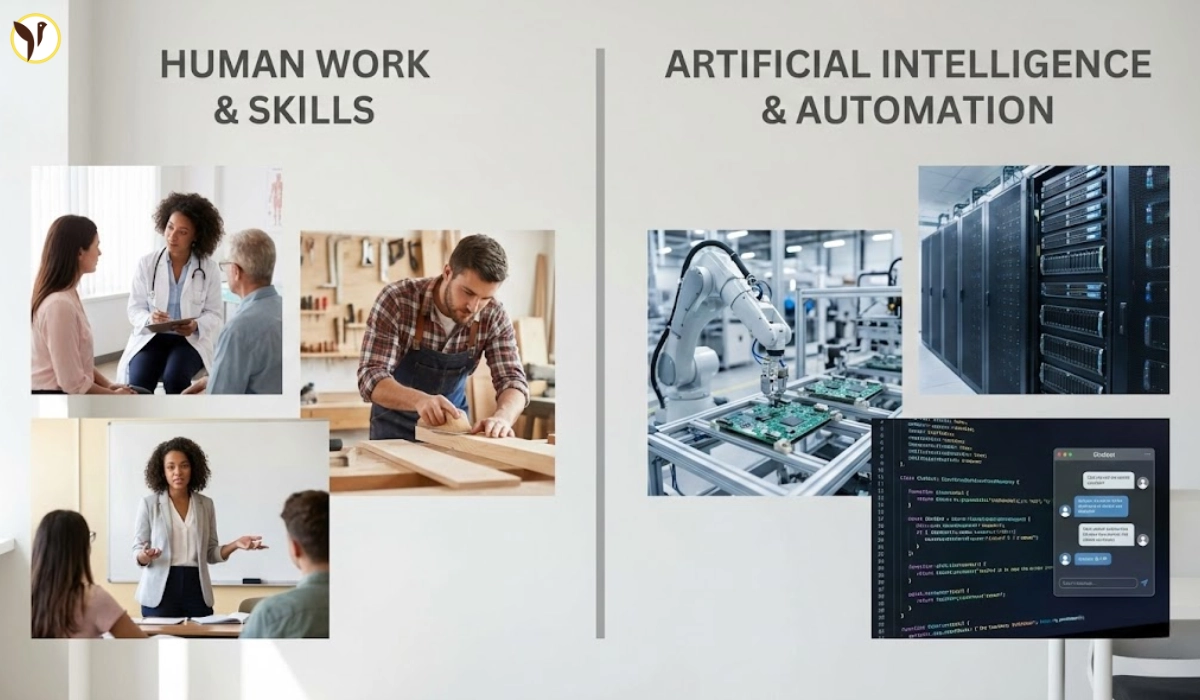
Artificial intelligence can process high volumes of data, create written reports, automate repetitive tasks; however, AI does not possess the ability to discern emotions, exhibit creative decision-making, or develop strong interpersonal relationships. Any line of work involving these distinctly human qualities is least likely to be threatened by the rise of synthetic (or artificial) intelligence. As emphasised by a recent article written by the World Economic Forum, "jobs requiring judgment, creativity, and emotional intelligence are extremely unlikely to see replacements at this time due to the advancement of AI."
Jobs Most Likely to Be Safe in 2026
- Although artificial intelligence (AI) can provide data for farmers, it is not nearly as useful or effective at completing all physical labor associated with farming, including: planting, harvesting, and caring for animals.
- Most experts predict that the creation of automated trucks and buses will not make human drivers obsolete by 2026. Due to the rapid pace of change in driving conditions in India, human drivers will continue to be required for the near future.
- Vocational instructors teach skills associated with manual trades (such as carpentry and cooking). While AI can serve as a resource for instructors, it cannot serve as a substitute for the instructor's expertise and experience in educating their students.
- By means of emotional intelligence, health care professionals, including doctors, nurses and therapists, can connect with their patients and provide the best quality of medical care possible. Although health care professionals have little to no opportunity to use the advancements in artificial intelligence (AI), they will not be able to be replaced by AI.
- Many artists, authors and other creative professionals create original works or accomplish creative objectives through their own creativity and originality. AI does not yet possess the creative and original thinking that goes into the creation of such works.
Human Skills That Will Be Most Valuable
- Creativity and Innovation: Generating New Ideas and Finding Unique Solutions to Problems.
- Emotional Intelligence: Recognizing and Responding to People’s Feelings, Building Trust, and Teamwork.
- Judgment and Decision-Making: Evaluating Tough Decisions Based on Established Values Rather Than Simply Applying Rules.
- Ability to Adapt: Acquiring New Skills and Quickly Adjusting to Changes.
- Ability to Lead and Influence Others Socially: Inspiring and Guiding Others, Managing Teams.
Why Human Skills Still Matter
Routine tasks can be automated by Artificial Intelligence (AI); however, AI has significant difficulties with unpredictability, emotional intelligence, and building relationships. Therefore, jobs requiring judgment, adaptability, and personal interaction will always require the involvement of a human. The medical profession is one in which doctors must be able to relate to their patients and understand their feelings. Artists create works of art that are unique, and teachers provide inspiration and guidance to their students, which are all things that AI cannot truly duplicate.
Jobs That AI Can't Replace
- Healthcare Professionals: Doctors, nurses, and therapists need to understand emotions and make complex decisions. These skills are hard for AI to copy.
- Teachers and Trainers: Teaching is not just about facts—it’s about guiding, motivating, and inspiring. Human teachers build trust and help students grow.
- Creative Professionals: Artists, writers, designers, and musicians use imagination and originality. AI can help with tools, but it can't create truly new ideas.
- Skilled Trades: Carpenters, electricians, and plumbers need hands-on skills and problem-solving abilities. These jobs are safe because they require physical presence and adaptability.
- Social Workers and Counselors: These jobs involve deep emotional understanding and building relationships—something AI cannot truly do
How AI Is Changing the Job Market
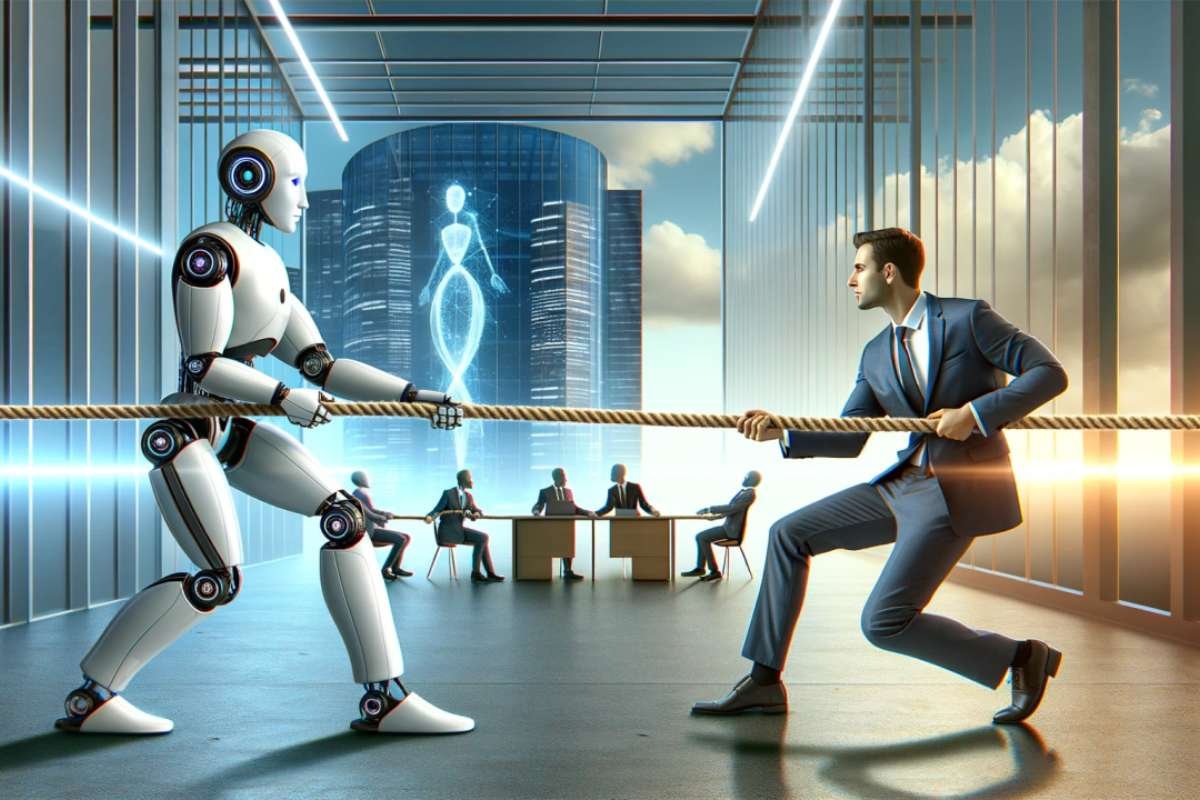
As much as artificial intelligence is removing jobs it's creating many new ones. Experts in India expect while certain forms of job opportunity will disappear through the introduction of AI there are going to be many other job opportunities that are being created in emerging fields such as Technology, Green Energy and Digital Services. Keeping an open mind and remaining flexible in their career path and continuing their education will be the most successful way to find employment in the future. The most secure jobs will be those that integrate human skills with digital skills.
Why AI Is Risky
AI can make mistakes and lack human judgement, leading to decisions that seem logical but are actually harmful or unfair. For example, AI used in hiring or healthcare might ignore important details or show bias based on the data it was trained on.
Loss of Human Skills
Over-reliance on AI can make people less skilled and less able to think critically. If humans stop using their own judgement and creativity, they may lose important abilities needed for innovation and problem-solving.
What You Can Do to Stay Safe
- Learn AI Basics: Understanding how AI works can help you use it to your advantage.
- Develop Soft Skills: Focus on creativity, communication, and teamwork.
- Stay Curious: Keep learning new things and adapting to change.
- Get Hands-On Experience: Jobs that need physical skills, like repair or farming, are less likely to be automated.
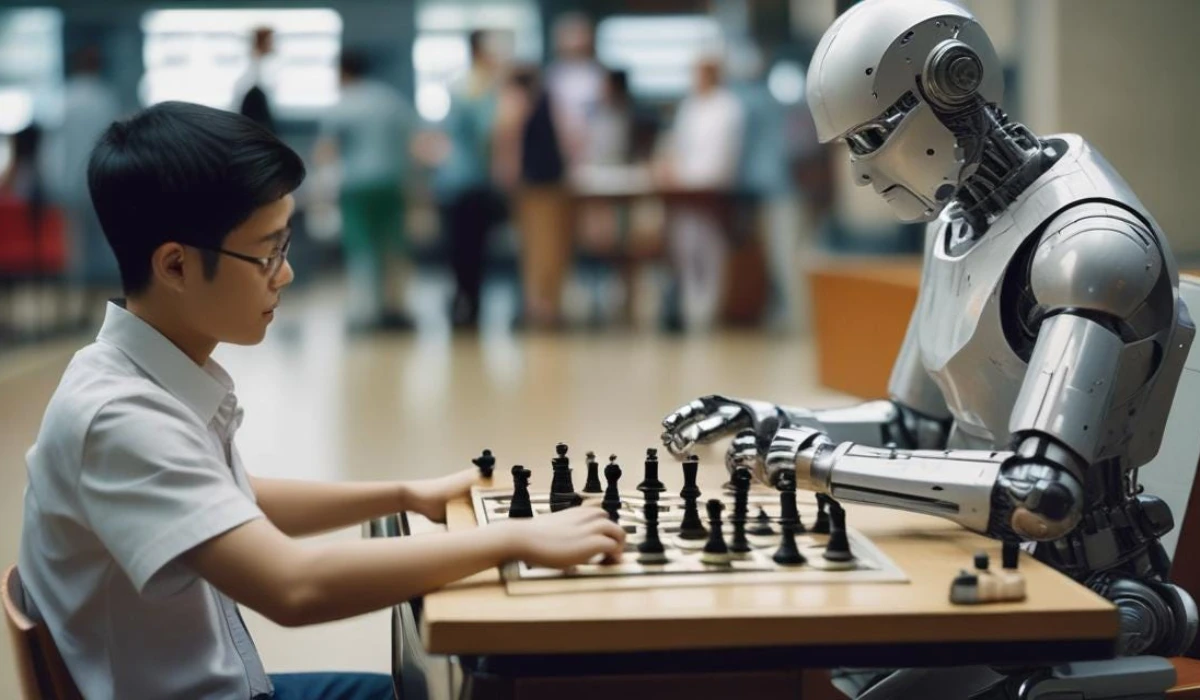
AI and Education: How Schools Are Preparing Students for the Future
Within India’s educational system, schools have begun incorporating more technological aspects into most areas of their curriculum in preparation for a future influenced by Artificial Intelligence.
In 2026, AI is no longer an isolated course of study, but an integral component of student learning.
Educational institutions are including various forms of coding boot camps and workshops as well as utilising these events as avenues through which to develop practical skill sets and confidence within the student population, thus better preparing them for the future use of this technology.
India’s Job Market 2026: Trends and Predictions for Indian Workers
India’s job market is showing strong signs of recovery in 2026. Hiring intent is up to 11%, compared to 9.75% in 2025, reflecting growing confidence among employers.
Human Skills: The Key to Future Jobs
The jobs that will continue to be available after 2026 will be those that require human creativity, empathy, hands-on experiences, and the capability to make judgements that are too complicated to rely solely inside of an AI system.
AI is going to develop how we work in the future, but the job market of the future is going to be directed towards integrating human abilities like problem-solving, adaptability and Emotional Intelligence into technology. Any effort that is made to develop these human strengths is going to put the worker to be able to remain competitive in an ever-changing job environment.
More to Read