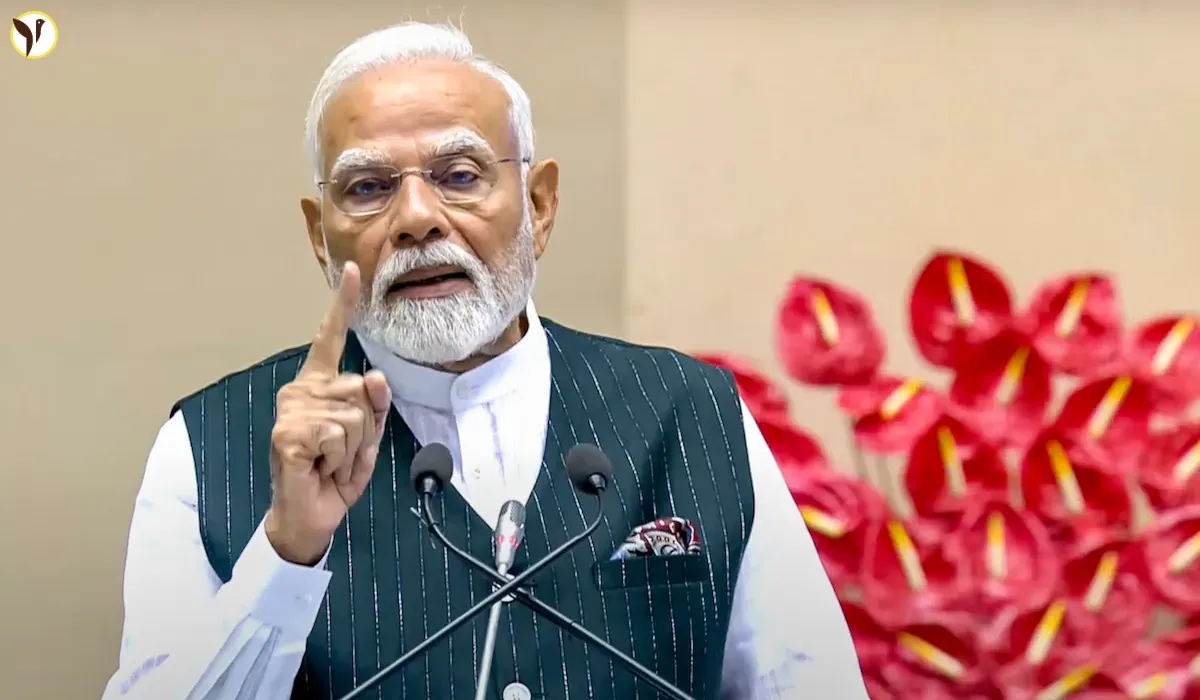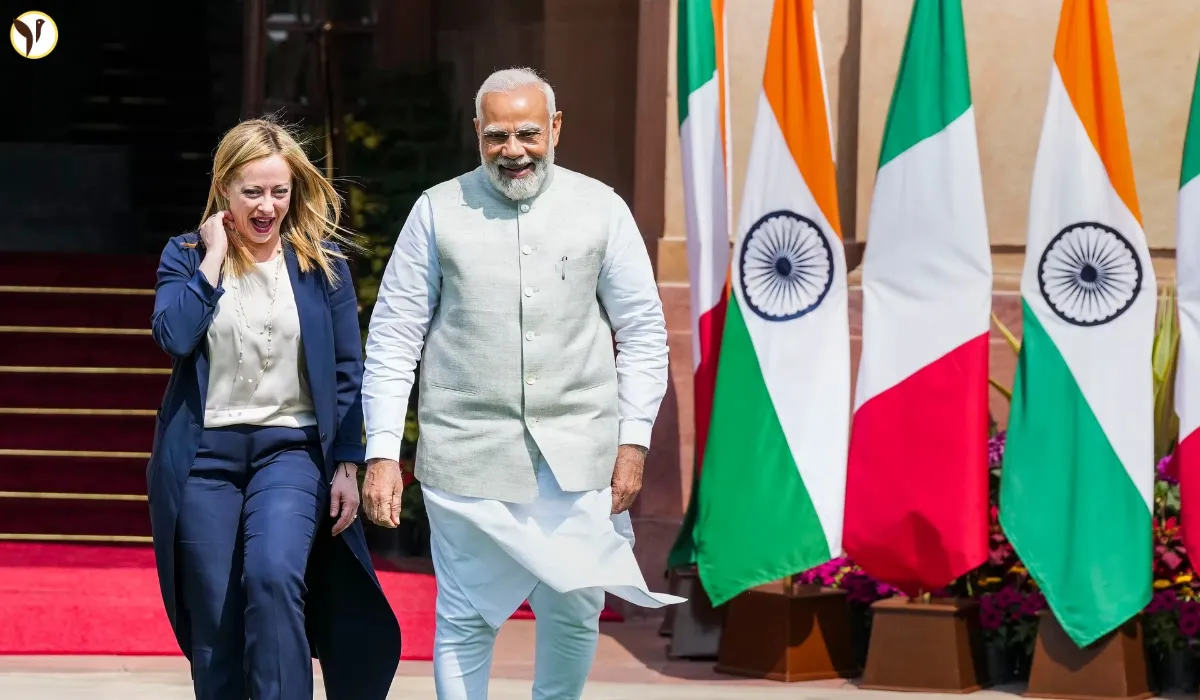
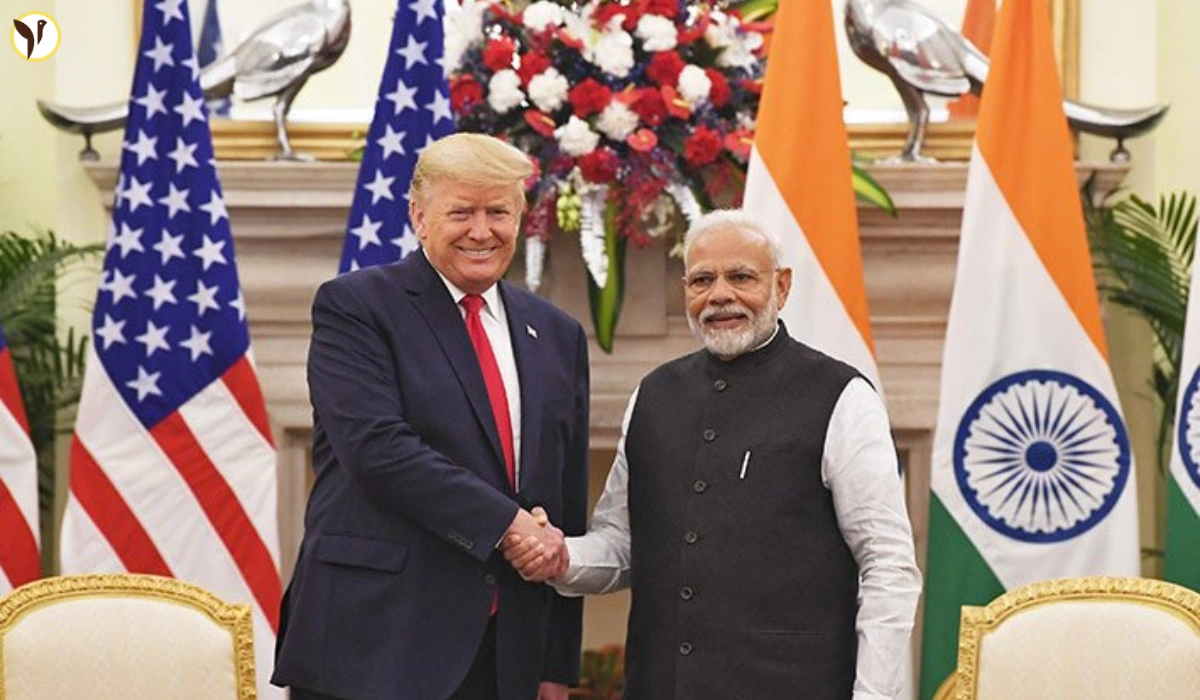


US President Donald Trump has removed the 25% tariff on Indian goods that was linked to Russia oil imports. This is a big step for India-US trade and is expected to help Indian exporters, improve trade, and boost business confidence. The tariffs, which were added last year because of India buying Russian oil, will be lifted from 12:01 am Eastern Time on Saturday after Trump signed an executive order. This decision is part of a bigger trade and strategic agreement between India and the United States, covering energy and defense cooperation.
India Agrees to Stop Russian Oil Imports Under US Trade Deal
The removal of the 25% tariff is linked to India’s commitment to halt direct or indirect purchases of Russian oil, as confirmed in the executive order. This aligns India with international efforts to curb funding to conflicts related to the ongoing Ukraine war.
Additionally, India has pledged to buy US energy products, including oil and gas, aircraft, tech products, and precious metals over the next five years, amounting to approximately $500 billion. This trade deal also includes a long-term defense cooperation framework for the next 10 years, strengthening strategic ties with the US.
🇺🇸 Trump removes additional 25 per cent tariff on Indian goods linked to Russian oil purchases after interim trade deal.
— Swarajya (@SwarajyaMag) February 7, 2026
📉 Duties fall to 18 per cent from 50 per cent.
🔋 Says India will pivot toward US energy under the framework.https://t.co/USKPfCdAUe
Benefits for Indian Exports and Economy
- Boost to Exporters – Indian goods entering the US will no longer face the extra 25% cost, making industries like textiles, chemicals, pharmaceuticals, and engineering products more competitive.
- Revenue and Market Advantage – The reduction from 25% to 18% tariff on Indian products gives exporters a slight edge over competitors from Asia, potentially increasing trade revenue.
- Investor Confidence – The move signals strong India-US economic cooperation, attracting foreign investment into Indian industries.
- Economic Growth – The deal is expected to enhance India’s trade balance, contribute to GDP growth, and provide a positive ripple effect on related sectors.
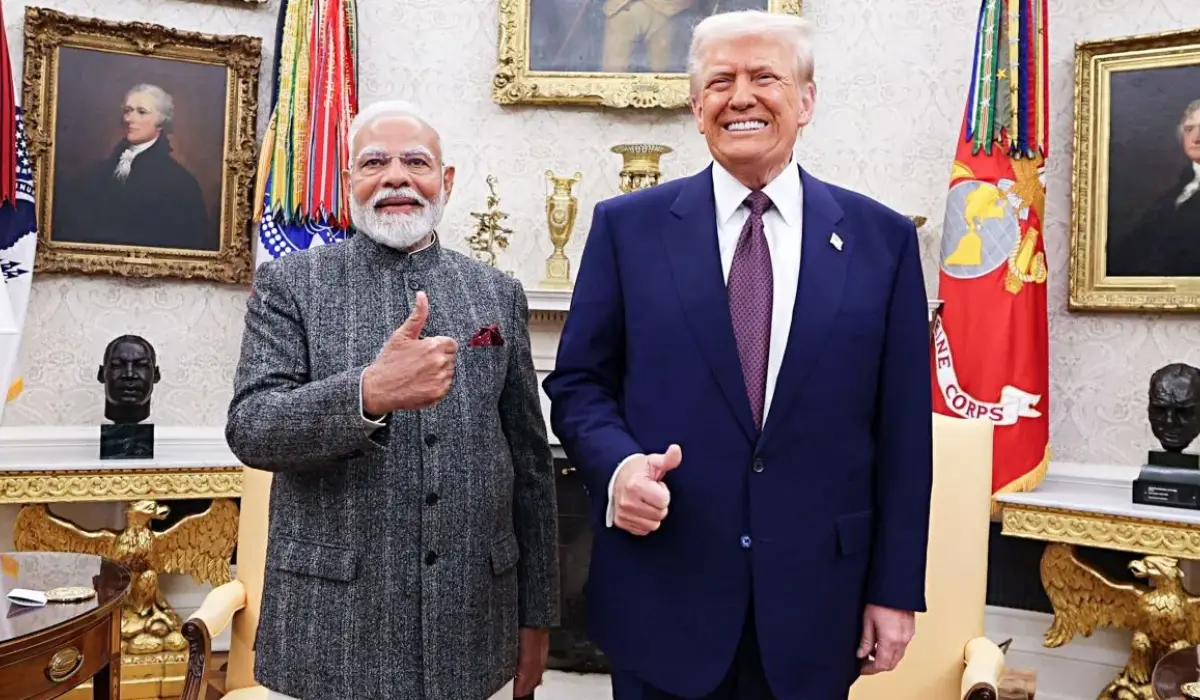
- Strengthened Bilateral Ties – The decision restores smooth trade relations between Prime Minister Narendra Modi and President Trump, reinforcing diplomatic and economic collaboration.
What It Means for Indian Businesses
Businesses in India are likely to benefit immediately, especially export-focused companies. With lower tariffs, the US market becomes more accessible, potentially increasing sales and creating new employment opportunities.Sectors such as automobiles, chemicals, engineering goods, and software exports will see a direct impact. Analysts suggest this move could improve India’s global trade ranking and help domestic businesses compete effectively with countries facing higher tariffs.
History of India-US Tariffs and Trade Tensions
The 25% US tariff on Indian goods was imposed last year due to India’s purchase of Russian oil amid the Ukraine conflict. This caused trade friction and increased costs for Indian exporters. The new agreement reduces tensions and restores confidence in bilateral trade. Under the trade deal, certain aircraft and parts tariffs are also set to be removed, further encouraging investment and technological collaboration between the two nations.
OTHER ARTICLES TO READ:
- Sunil Thapa Dies at 68: Mary Kom Coach & Nepali Cinema Icon
- Wedding Bus Accident in Nepal: 13 Killed 34 Injured in Mountain Accident
- Taylor Swift’s Opalite Video Broke the Internet: What Do All These Clues Really Mean?
- Love Is Back in Theatres: Saiyaara Re-Releases Before Valentine’s
- Who Is Aryansh Sharma? Young Cricketer’s Journey, Net Worth, and Biography
- Colors TV Drops Khatron Ke Khiladi S15 Teaser: Rohit Shetty Returns After 2 Years
- It’s Match Day! T20 World Cup 2026 Opens Today With Ceremony and Opener
Impact of US Tariff Removal on Indian Markets and Investors
With tariffs lifted, Indian markets and investors can expect a positive ripple effect. Export-heavy sectors like textiles, chemicals, engineering, and IT may see stock gains, while investors gain confidence in India’s economic stability and trade prospects. This move may also encourage more foreign companies to invest in Indian businesses, improving infrastructure, technology adoption, and overall market competitiveness.