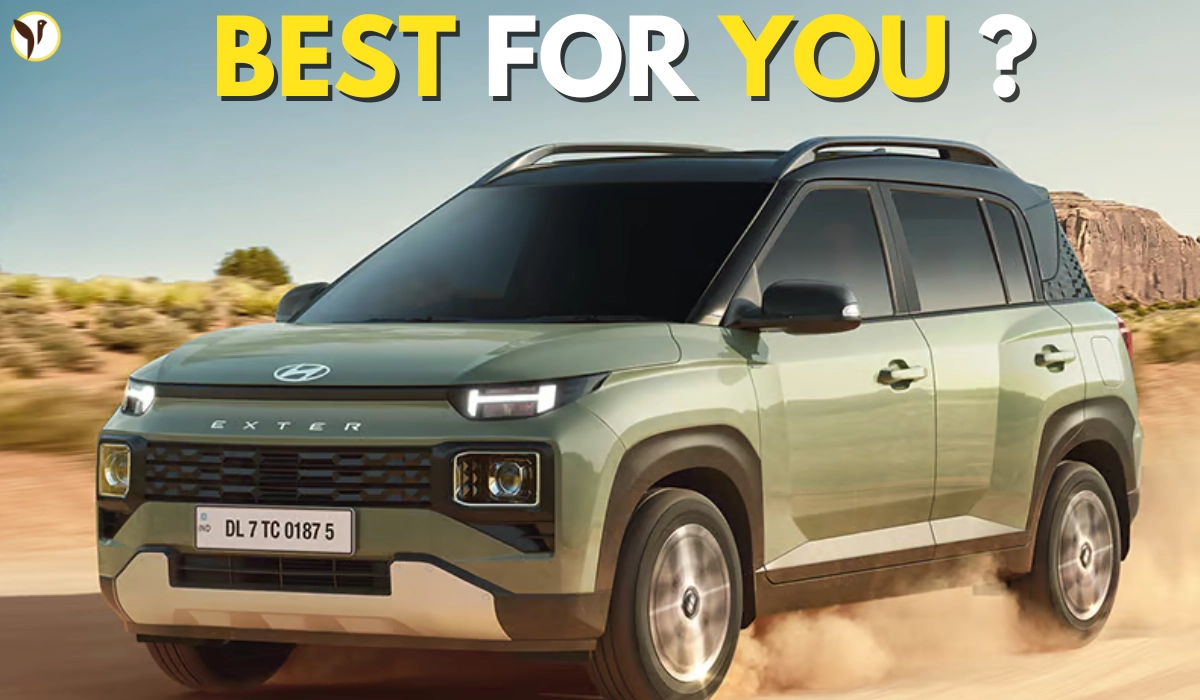


Purchasing an automobile in India appears to be straightforward; however, after beginning to narrow down your choices, it becomes apparent that it is not at all easy.
The considerations for selecting a car include: fuel efficiency, traffic conditions, gasoline prices, parking restrictions, monthly payment amounts, safety, and resale value, to name a few. These various elements will make purchasing a car seem like a test you have not studied for.
The importance of selecting the proper automobile is magnified exponentially if you are a consistent commuter to and from work; if you drive every day to run errands, drop the kids off at school, and so forth.
The following guide will break the process of selecting an automobile down step by step, with simple descriptions (like a friend would) that are void of brand advertising, confusion, or anything other than practical tips for driving on Indian roads.
Important Checklist To Consider Prior To Selecting A Daily Driver
Before getting into specific brands, models, or special deals, simply ask yourself these questions; if you can find answers for most of them, then you should already feel comfortable that you are well ahead of the 8 out of every 10 car shoppers.
How far do you drive in a typical day?
Most of the time are you driving in stop-go traffic or driving on open highways?
Do you value comfort over power? Or do you expect power over comfort?
For your personal use, is fuel economy more important than driving performance?
Will more than one family member use your car as their primary form of transportation?
Would you prefer to have the ease of driving an automatic car, rather than a manual transmission, while also avoiding having to use the clutch pedal when driving in heavy city traffic?
In your area do you have limited or little available parking?
Is it an overwhelming monthly expense for you to pay for fuel/maintainance for your vehicle?
Are you committed to owning your car until it has been used up completely, or do you plan to replace it in the coming years?
Does your family consider basic vehicle safety features necessary?
Understand Your Daily Commute First (This Step Is Crucial)
It's essential to have a clear understanding of how you're planning to use the vehicle before you begin exploring vehicle options. Many Indian consumers skip this step and later have buyer's remorse regarding their decision on which vehicle to purchase. Is your typical driving environment 5-10 kilometers of congested traffic or 40-50 kilometers of highway? How much of your driving will consist of potholes and speed bumps, as opposed to parking garages, or parking spaces?
Optimally, your daily commuting may involve some combination of congestion, potholes and broken up streets, as well as the opportunity to access the use of comfortable vehicles, with easy-to-steer wheels, enhanced visibility from your vehicle, and the lowest cost of operation possible for those vehicles. Weekend vehicles may seem like fun to drive but turn out to be difficult to use for day-to-day life, especially if you're in bumper-to-bumper traffic.
Consider the following:
- Average distance traveled each day,
- Driving environment - city or highway,
- Availability of parking space for your vehicle,
- Who drives the vehicle most of the time (you or others).
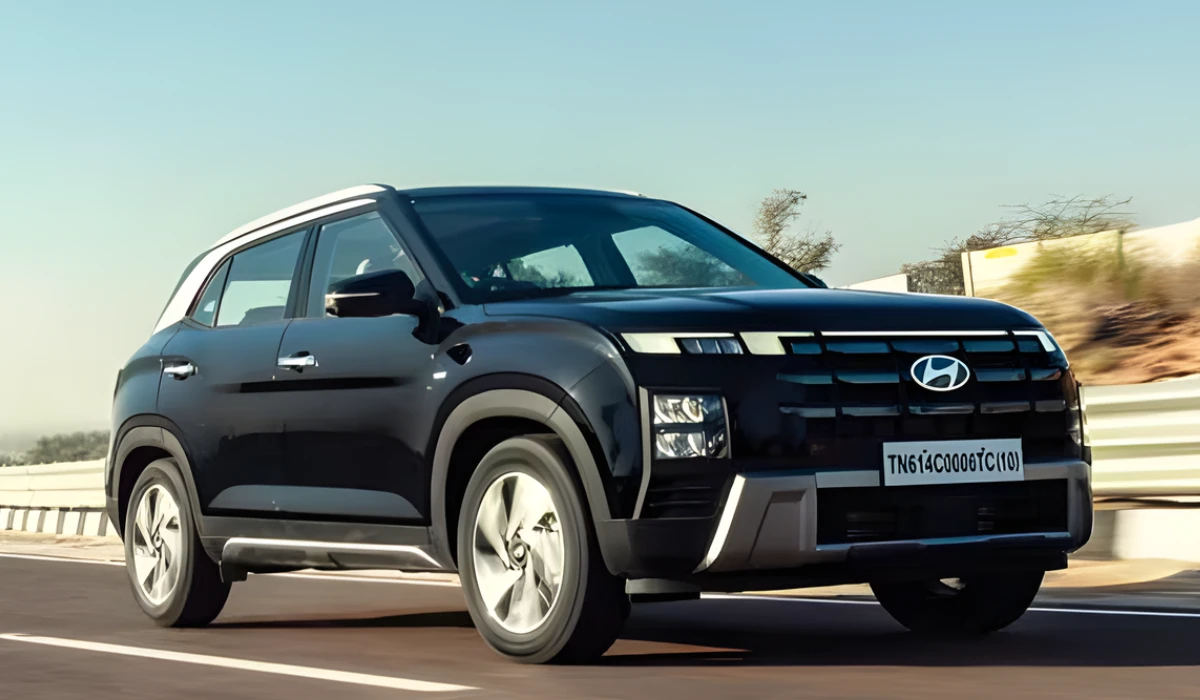
The Mileage & Running Cost vs. Power Rating is far More Important
Fuel costs will be the highest monthly expense in India, no matter whether you drive or not; however, if you drive on a regular basis, mileage will always be more important than power ratings. A power rating looks good in a brochure, but will cost you a great deal of money to run that engine on a regular basis as you accumulate fuel costs.
Petrol cars are very popular for short/urban trips, while there are numerous users of CNG or hybrid vehicles for urban operations. The only time to realistically purchase a diesel vehicle would be if you drive long-distance on a daily basis. However, while the EV market is growing rapidly in India, the reality is that unless it is well-planned for charging usage, EV use is not fully viable.
Als, with a fuel economy type vehicle, you not only save money every month (as fuel pricing will climb consistently), but you alleviate the anxiety that will result from rising fuel prices.
Vehicle breakdown (Summary):
- Petrol vehicles are ideal for city driving;
- CNG vehicles are cheaper in terms of running costs;
- Hybrid vehicles have the best combination of engine performance and mileage;
- EVs provide zero fuel cost; however, users will need to assess their charging needs.
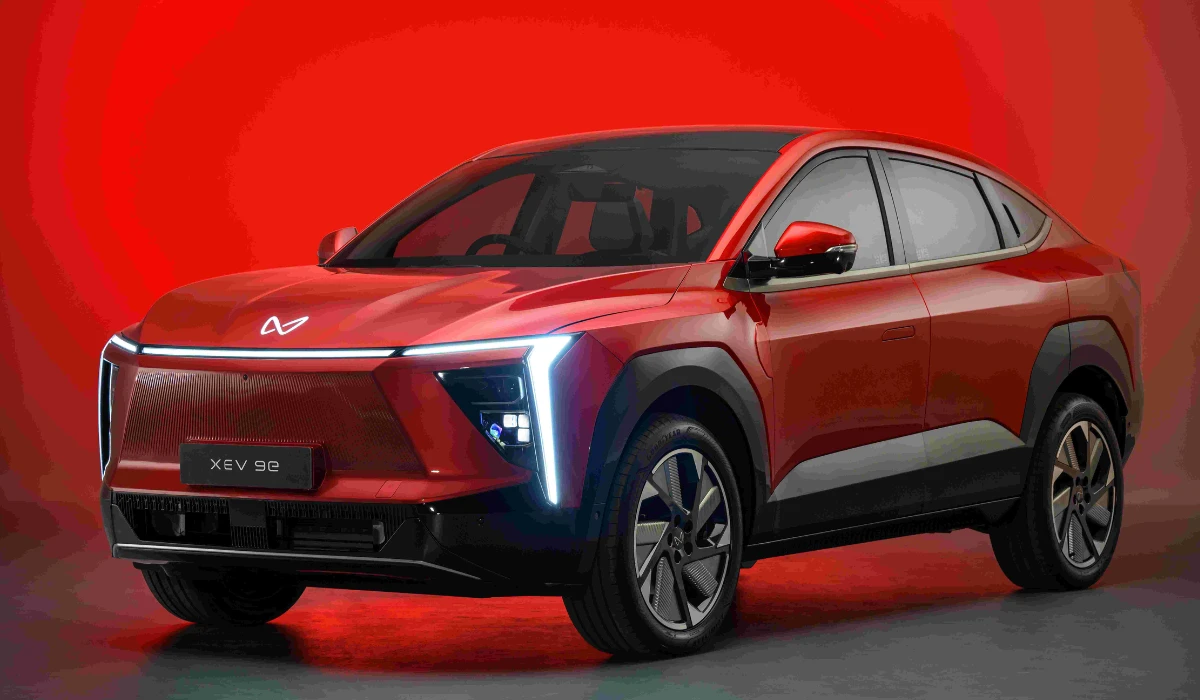
Comfort Is Not a Luxury for Daily Driving
The time spent driving every day is often several hours a week. Comfort is a more important factor than things such as alloy wheels or sunroofs when choosing your vehicle. If the seats are not comfortable you will tire out quickly after short distances. Therefore, finding a vehicle that has comfortable seats is far more important than having a sporty looking vehicle. A comfortable ride is far better than having the newest gadget as part of your car.
To have a comfortable drive you should look for these items:
- Soft or wobbly suspension systems to help absorb bumps in the road.
- Adjustable driver seat for a better fit.
- Cabins with low ambient noise level.
- Clutch and gearbox with light feel to ease foot movement on gas and brake pedals.
Safety Features You Should Never Compromise On
In the past, Indian drivers neglected Safety. Today, Safety has to become an absolute Priority when driving every day, which has now become a major contributor to Road Traffic Accidents due to the multiple exposures you face every day driving in busy city areas such as those found in India. The constant presence of motor cycle's, auto rickshaws and pedestrians all pose a risk to your safety while driving your vehicle every day.
Minimum Safety Features should be required for a Safe Vehicle:
- At Least 2 Airbags
- ABS with EBD
- Rear Park Sensors
- Excellent Braking Performance
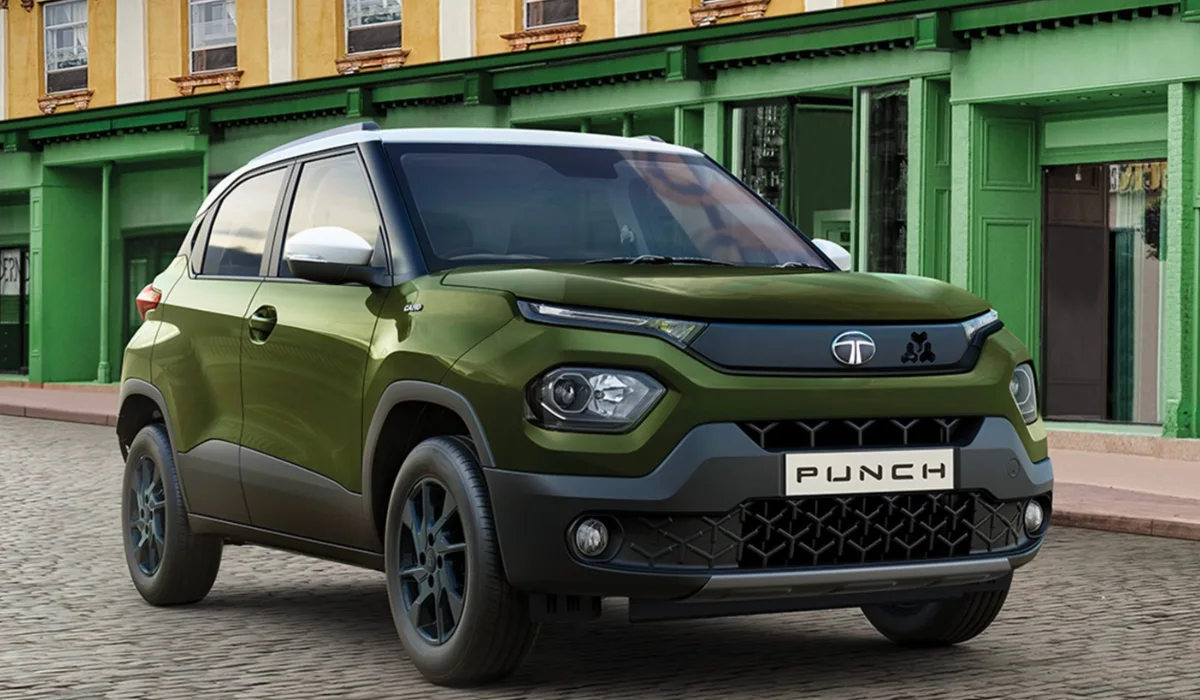
Modern Vehicles also have ESC and Hill-Hold Assist along with a 360-degree Camera, which can be Greatly Beneficial in India. A Safe Vehicle will Protect YOU and YOUR Family. There is NO Number of Kilometres that are Safe Enough to Compromise your Safety when Driving Your Vehicle.
The Size of Your Vehicle Will Determine How Easy it is to Navigate Indian Roads
The fact that a vehicle is larger does not make it necessarily a better vehicle for use in urban areas of India. When driving in an urban area of India, you have to deal with narrow roads, sharp turns, limited parking space and congestion.
Couple that with the fact that most hatchbacks and small SUV vehicles are designed for ease of operation as well as ease of parking and accessibility, it is no wonder they represent the vast majority of daily use vehicles.
While sedans and minivans do have their uses for long-distance travelling, they typically don't do well on poorly maintained or undeveloped roads.
Bigger vehicles may have a more "premium" appearance, but trying to operate them on a daily basis can be more stressful than it is worth.
You need to choose a vehicle in which you feel comfortable operating at all times.
The following are general guidelines for what size of automobile you should buy:
- Hatchbacks: best option for city driving
- Compact SUVs: balanced option for all types of driving
- Sedans: comfort + enclosed storage
- Large SUVs: only appropriate in countries with well-maintained roads.
Technology That Actually Helps Every Day
Many features are not merely gimmicks. Some actually make life simpler. This includes the use of touchscreens, the availability of Android Auto/Apple CarPlay connectivity, the ability to see behind you with a rear-view camera, and steering wheel mounted controls; all of these have the effect of diminishing driver distraction and effort.
Also, be careful to not spend money on features you are unlikely to use very often. A good example of this is ventilated seats, which may be useful in hot weather (especially in India), as well as a smart phone connection that helps keep a record of all scheduled servicing and the health of your car.
Remember that the purpose of your daily driving is for convenience, not to show off.
Daily Technology that can be Very Helpful:
- Rear View Cameras
- Connecting Your Smart Phone
- Automatic Temperature Control
- Keyless Entry and Start
Maintenance, Service Network & Resale Value
Instead of a one-time purchase, a car is an investment in maintenance over time. Owning a car from an automaker that has many service locations is much easier for consumers, particularly people who live in smaller towns. An affordable service cost and the availability of inexpensive replacement parts will provide savings in both time and money.
In addition to how much it costs to maintain a vehicle over time, resale values impact how much a vehicle will be worth in the future. In India, there are many cars that lose value down to nothing very quickly while some cars retain their value years later. A good resale value means a consumer will pay less for the total cost of their vehicle over time.
As a vehicle owner, always consider the following:
- Warranty coverage and substantial extended coverage options.
- Annual maintenance costs.
- Available service locations.
- Resale potential in your local market.
Budget Smartly: EMI, Insurance & Hidden Costs
Don't just budget a car price, you need to consider the costs of driving each day which include fuel, insurances due to renewals, servicing, tyres and accessories. Therefore, it may be easier to find a vehicle that is slightly less expensive to buy but has a much lower cost of running than a more expensive vehicle with a premium badge.
Most important - find an EMI that offers low monthly expenses. The peace of mind from a less stressful monthly payment is worth more.
A Smart buyer is a long term thinker, he will never get caught up in the excitement of the showrooms.
Budgeting plan tips:
- A budgeted EMI of 15% -20% of gross annual income
- Check on Premium at Insurance Company
- Estimate fuel expense per week
- Estimate Maintenance Expenses
Final Thought
When we talk about our daily driving experience and the factors which make up that experience, we think of ease-of-use, comfort, safety, and cost savings. The best vehicles are not those with the most horsepower or the highest price tags but are those that integrate into your life seamlessly and without any added stress.