



When a person purchases an automobile, most likely they will recall the 'honeymoon phase' — the smooth driving experience, the whisper-quiet operation of the engine, and exceptional gasoline efficiency. After a few months of ownership, car owners commonly experience decreased fuel efficiency.
Under these circumstances, although the owner continues to travel the same distance, experiencing the same traffic conditions, and driving the same way, they will notice that the amount of gasoline taken to cover that distance has a cognitive decrease — which in turn leads to greater operating costs (i.e., increased gasoline expense).
In India, many automobile owners encounter this problem after their first 12 months of ownership of any vehicle type; be it hatchbacks, SUVs, gasoline engines, diesel engines, or mild hybrid vehicles. Therefore, in order to understand the reasons for, and ways to avoid added costs associated with fuel inefficiencies, we will outline these reasons clearly, truthfully, and practically.
Steps for Restoring Lost Mileage
1. Change engine oil regularly.
2. Replace air and fuel filters as needed.
3. Keep Tyres inflated to proper pressure and check regularly.
4. Align and balance wheels regularly.
5. Drive smoothly instead of aggressively.
6. Use good quality fuels.
7. Have ECU diagnostics performed at least once per year.
Individually, none of the above items are costly however when combined they will help recover a significant amount of lost mileage back to levels of new cars.
The ‘’New Vehicle Connotation’ Declines In 12-Months
While the vehicle is new, all parts and systems are functioning properly (i.e., engine parts are new and clean with minimal friction and gear, sensors clean and new and tires properly aligned). All manufacturers test for optimal performance in laboratories using the labs' specifications, not based on driving conditions in India.
After 12 months of driving, users will see the effects of daily driving on the vehicle (i.e., potholes, speed bumps, traffic congestion, dirt/dust, and heat) as a reality check.
Over time, all of the above result in small inefficiencies in performance that do not show any visible symptoms but add up cumulatively to reduced fuel efficiency.
Just because the vehicle is showing some degree of inefficiency does not mean that the vehicle is defective. It simply means that regular maintenance of the vehicle is more critical now than ever before.
How Engine Oil Affects The Fuel Economy Of Your Vehicle
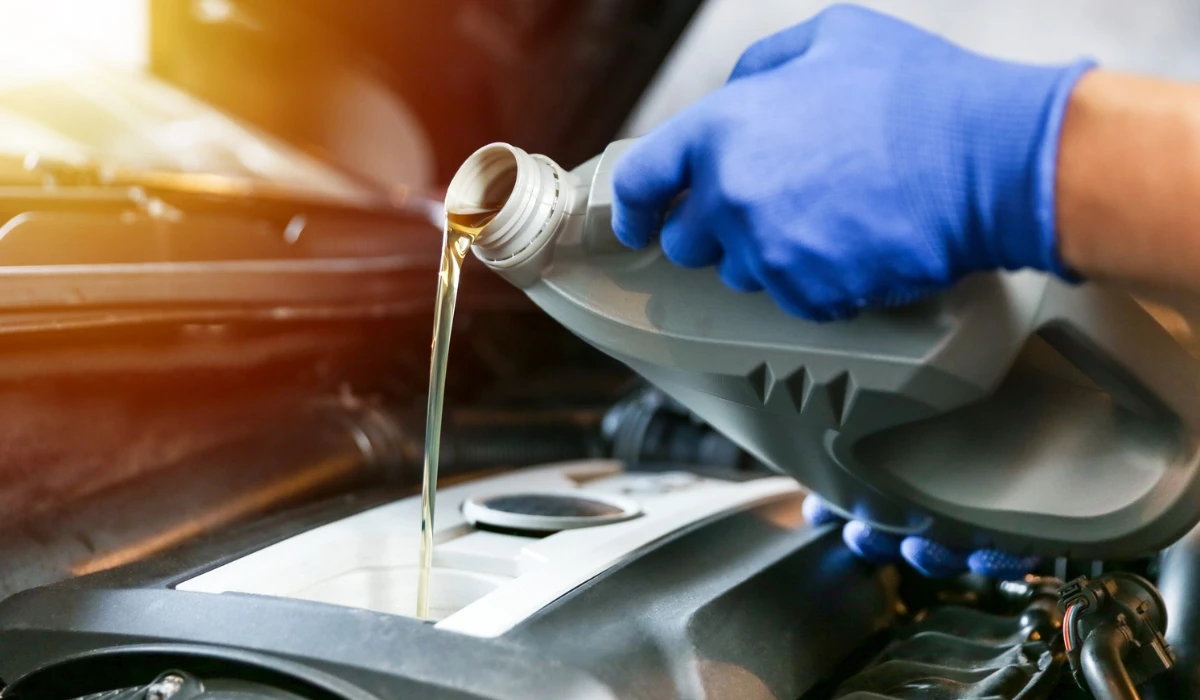
In short, engine oil keeps your vehicle running smoothly and safely. Over time, an engine oil will lose viscosity and have reduced cleaning capabilities. This is primarily due to the high volume of vehicles on Indian roads, which results in stop-and-go driving conditions.
Using old, low-quality engine oil increases friction in the engine. Increased friction means that more fuel has to be used to produce the same amount of power.
Because of this, many Indian drivers don't have their engine oil changed regularly to save money. However, in the long run, this will cost them much more in fuel bills.
What To Remember
- Always choose engine oil that is specified by the vehicle manufacturer, and it must be of good quality.
- Don't buy cheap, unbranded engine oil.
- Change your engine oil even if you've only driven a little.
Changing the engine oil can increase the vehicle's fuel economy by 5-10%.
Filtered Air Impacts Engine Performance Due to Clogged Filter
Clean Air Filters Provide Maximum Efficiency
In most cases in India, the air filters get clogged from dust, dirt, pollution, and other debris after 12 months of usage on the roads.
When there is less airflow into the engine, it will need to use a greater amount of gas to deliver the required power output. This has an adverse effect on fuel economy.
It occurs frequently with drivers who live or travel in crowded areas (cities) and/or commuter highways.
How to Diagnose This Problem Quickly
- If your air filter looks black or full of dirt, buy a new one.
- Buying a new one is an inexpensive fix.
- You will experience an increase in your fuel economy right after a new filter is installed.
Many service centers overlook checking the air filter unless the customer specifically requests it. Always request a visual inspection of the air filter from your service center.
Fuel Quality & City Driving Take a Toll
In India, fuel quality can be inconsistent due to the presence of adulterants and the volatility of fuel, which can impact combustion efficiency, particularly when used in short-distance city driving conditions.
In addition to these issues, fuel efficiency is negatively impacted by the following:
Idling at traffic signals
Frequent use of the gas pedal and aggressive driving the engine's fuel economy by preventing the engine from fully warming up
As the carbon deposits accumulate within your injectors, valves and combustion chamber, mileage will continue to decrease due to these carbon build-ups.
The simple solution to ensuring your engine operates at peak efficiency is to use reputable fuel stations, use the recommended fuel system cleaners occasionally and limit idling when not necessary.

Bridge of Changes in Driving Style without Realising it
Every year many drivers have unknowingly changed their driving habits: (1) Accelerating Faster, (2) Braking Later and (3) Cruising at Higher Speeds.
For the first year of driving, drivers experience confidence; as that confidence grows over time. As their confidence increases; it causes their ability to be efficient to diminish.
According to The Society of Automotive Engineers, "In the traffic environment of India, it is recommended that you do not drive aggressively." To maximise the efficiency of your mileage:
- Employ a gentle throttle when starting.
- Shift your manual transmission Into the next gear at lower RPMs.
- Maintain a steady speed on highways.
By simply changing the way you drive; the way you drive can increase the miles per gallon of your vehicle by up to 15%.

Calibration of Sensors & Software is Required Too
Modern-day vehicles make heavy use of a variety of sensors including:
- Oxygen Sensors
- Massive Air Flow Sensors
- Throttle Position Sensors
Over time, all of these sensor readings can be adversely affected by dust, heat or vibration.
When these sensors are not functioning correctly, the fuel/air mixture will not perform efficiently.
For this reason, most car owners in India will only have these sensors checked once the warning light illuminates on their dashboard.
However, a service will typically include an ECU scan, which allows technicians to detect potential problems at a very early stage (before the mileage on the car is impacted severely).

Common Mileage Drop Timeline
|
|
|
|
|
|
|
|
|
|
|
|
|
|
|
|
|
|
|
|
Final Thoughts
Just because a vehicle's mileage has dropped after the first year, this doesn't necessarily mean that the vehicle is deteriorating, rather it is responding to the actual Conditions found in India.
Taking the time to understand the reasons for this, and taking simple corrective measures, can save you thousands each year and improve the overall lifespan of your engine.
Your vehicle doesn't want to be replaced; it wants better maintenance and care put into it.