


Many taxpayers paid extra penalties or interest to the IRS during the COVID years without realizing they may not have been required. A recent court ruling has now opened the door to claim that money back. This applies to charges added between 2020 and 2023 when normal deadlines were heavily disrupted. The process to claim a refund is straightforward and doesn’t require expert help. The deadline for IRS pandemic refunds is July 10, 2026. Filing before this date ensures you don’t miss out on money you may be owed.
What is IRS Pandemic Refund
The IRS pandemic refund refers to money that taxpayers can claim back if they were charged penalties or interest during the COVID period that may not have applied under disaster relief rules. This mainly includes failure-to-file or failure-to-pay penalties added between 2020 and mid-2023.
The issue comes from how tax deadlines were handled during the pandemic. Under Section 7508A of US tax law, deadlines can be paused during a federally declared disaster. A federal court ruled that the COVID-19 period qualified as such a disaster, which means certain penalties may not have been valid in the first place. If you already paid those extra charges, you can request a refund using IRS Form 843. This is not a stimulus payment or new benefit. It is simply a correction of overpaid amounts.
How a Court Decision Could Return Money to Taxpayers
The turning point came with the case Kwong v. United States. The court determined that the pandemic period should be treated as a disaster under Section 7508A, meaning tax deadlines were effectively paused.
This directly challenges penalties that were charged during that time. Many taxpayers continued to receive late fees and interest even though normal timelines were disrupted.
Tax professionals believe this ruling could impact millions of accounts. It has also gained attention recently as more taxpayers prepare for the 2026 filing cycle and explore ways to recover past payments.
Who Can Claim the IRS Pandemic Refund
You may qualify if the following apply:
- You were charged penalties or interest between January 2020 and July 2023
- You filed tax returns for 2020, 2021, or 2022 (even if late)
- You have already paid those extra charges
This applies to individuals, freelancers, small business owners, and even non-residents with US income. You may not qualify if:
- The IRS already removed or waived your penalties
- You never filed the required returns
A simple way to check is by reviewing old IRS notices. Look for any mention of penalties or interest during the pandemic period.
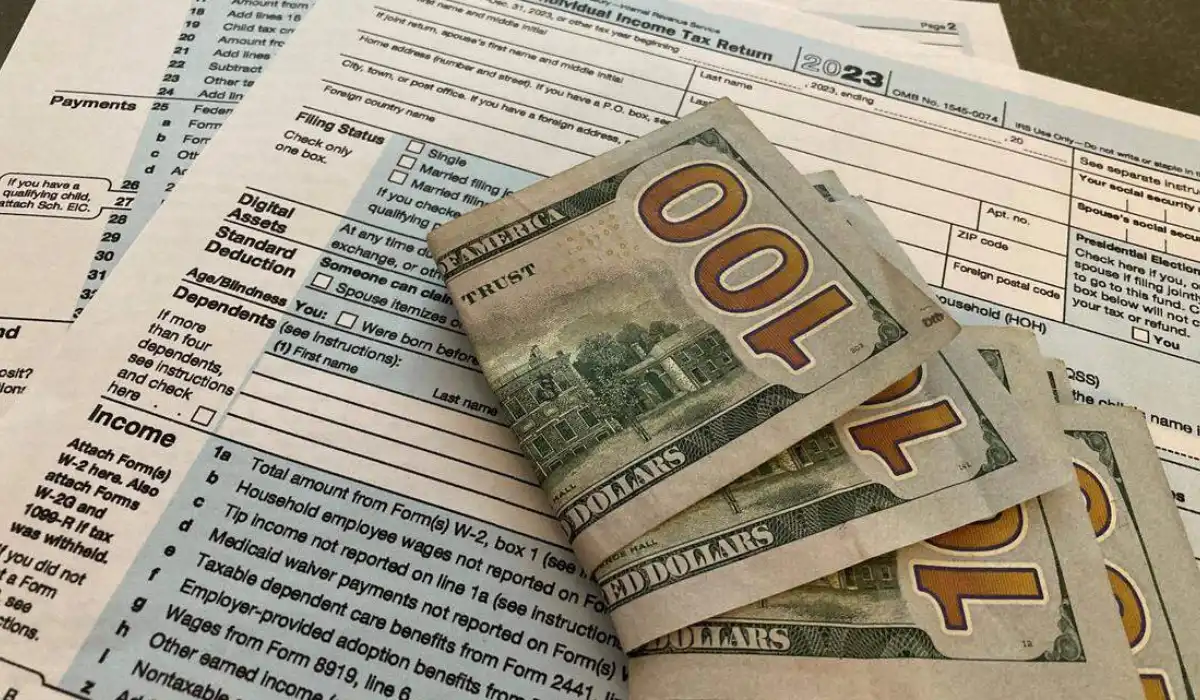
Step by Step Guide to Claiming with IRS Form 843
Filing a claim is simpler than most people expect. You can download Form 843 directly from the IRS website. Here’s how to do it:
- Gather your documents: Collect tax returns, payment receipts, and any IRS notices showing penalties or interest.
- Fill in your details: Enter your name, Social Security Number, and the tax year you’re claiming for. You’ll need a separate form for each year.
- Explain your claim: Mention the court ruling and Section 7508A. Clearly state that COVID-related disruptions should have paused deadlines.
- Add the refund amount: Calculate how much penalty or interest you paid and want refunded.
- Submit the form: Sign and mail it to the correct IRS address listed in the instructions. Some cases may allow electronic filing.
Once submitted, you can track progress through the IRS refund tracking system. Processing times can range from a few weeks to several months. Keeping copies of everything you submit is important in case you need to follow up or appeal.
Common Mistakes to Avoid in Penalty Refunds
There are a few common mistakes that can cost you your refund:
- Missing the July 2026 deadline
- Using the wrong form instead of Form 843
- Not keeping proper documentation
- Forgetting to include interest along with penalties
Filing early and keeping complete records can help avoid most of these issues.
Pandemic Fee Refund Opportunities for Small Business Owners
Small business owners and self-employed individuals were among the most affected during the pandemic. Irregular income and disruptions made it harder to meet tax deadlines, often leading to penalties. This ruling offers a chance to recover some of those costs. If you paid late fees or interest during that period, it’s worth checking your eligibility. For many small businesses, even a few hundred dollars can make a difference in cash flow. Filing a claim now ensures you don’t miss out on money that may rightfully be yours.
Other Articles to Read:
- Cuba Is Collapsing and Trump Just Revealed His Plans to Take Control
- Dhurandhar 2 Advance Booking Boom: Tickets Selling Out Fast Now
- Something Scary Happened to Jannat Zubair — And It’s Raising Questions
- Kiki Shepard Dies Suddenly at 74, Remembering Her Iconic Apollo Journey
- Suriya’s Upcoming Film ‘Vishwanath and Sons’ Teaser Promises Heartwarming Story
- Marty York Fight Video: ‘The Sandlot’ Star in Shirtless Street Fight
- Dune 3 First Look Revealed: Timothee Chalamet Confirms Trailer Date