
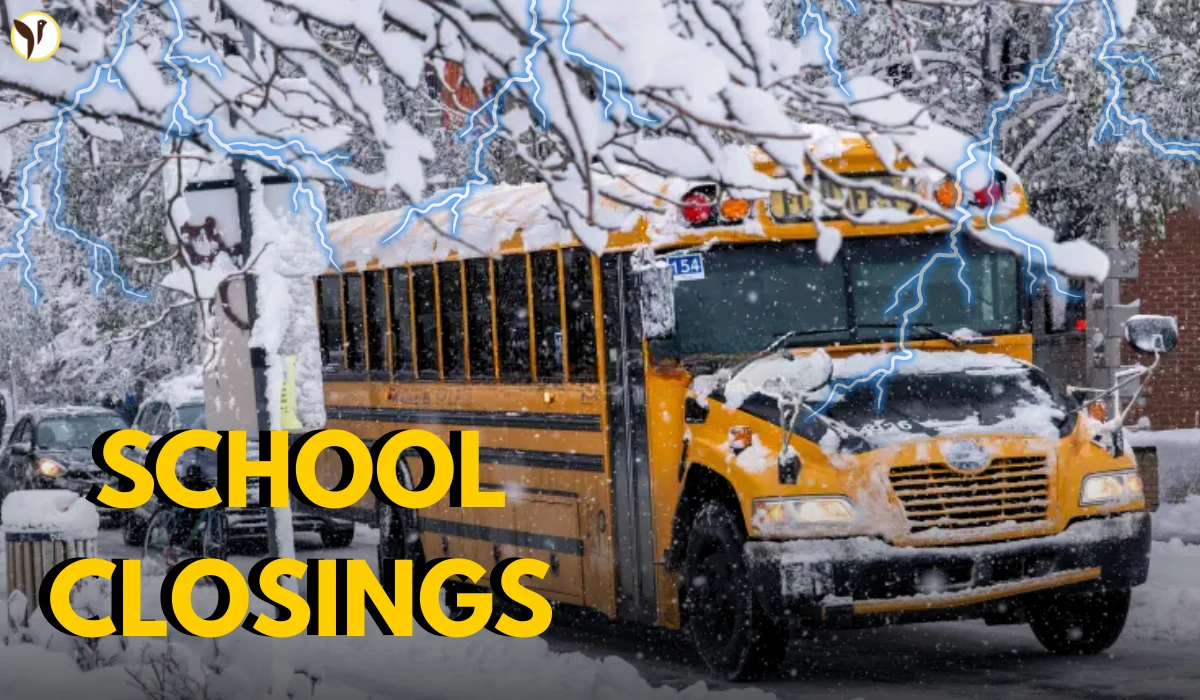


A powerful winter storm sweeping across parts of the United States has forced widespread school closures on March 16, 2026, disrupting daily life for hundreds of thousands of families. Heavy snowfall, strong winds, and dangerously low visibility pushed education officials in the Chicago region and the Charlotte metro area to cancel classes as travel conditions deteriorated overnight. Several districts in Minnesota also joined the shutdown as snow piled up and temperatures plunged. If you are tracking closures today, here is the complete situation and what families should know.
Blizzard Conditions Force Chicago Schools to Close
The most severe impact is being felt across the Chicago area, where the National Weather Service issued a blizzard warning after forecasting intense snowfall and wind gusts reaching nearly 60 mph.
Authorities warned that snow accumulation could reach 12 to 18 inches in parts of the region. Combined with strong winds, the storm created dangerous whiteout conditions on many roads.
As a result, Chicago Public Schools announced a full closure affecting more than 320,000 students across its network of schools. Bus services were canceled and all school buildings remained closed for the day.
Officials explained that the main concern was transportation safety. Snow drifts, reduced visibility, and icy roads make early morning bus routes extremely risky for students and drivers.
Air travel was also disrupted near O'Hare International Airport, where snow and strong winds created delays and operational challenges.
Charlotte Area Schools Cancel Classes as Snow Spreads South
The winter system also reached parts of the Southeast, bringing significant snowfall to communities that rarely experience major winter storms.
Charlotte-Mecklenburg Schools confirmed that all classes would remain closed Monday, keeping nearly 150,000 students at home.
Road inspections conducted early in the morning revealed snow-covered streets and slippery conditions, particularly on highways connecting suburban areas to the city.
Transportation officials reported several incidents and traffic slowdowns along major routes around Charlotte as crews began spreading salt and clearing roads.
Because snow removal resources are more limited in southern states, even moderate snowfall can quickly create unsafe travel conditions for school buses.
Minnesota Districts Join Widespread Shutdown
The storm also affected several districts across Minnesota, where overnight snowfall and freezing temperatures caused additional closures.
Schools in the Minneapolis and St. Paul areas canceled classes after wind chills dropped sharply and snow drifts began blocking rural roads.
At extremely low temperatures, students waiting outdoors for buses can face health risks such as frostbite. District leaders said closures were the safest option until road conditions improve.
Road Conditions Create Major Travel Problems
Transportation agencies across multiple states warned drivers to avoid unnecessary travel as the storm intensified.
In Chicago, snow-covered expressways slowed traffic and created dangerous driving conditions during the morning commute. Road crews continued round-the-clock plowing operations, but drifting snow kept covering cleared lanes.
Charlotte also experienced highway delays as snow accumulated on untreated roads and temperatures dropped.
In Minnesota, rural highways reported reduced visibility and heavy snow accumulation, prompting travel advisories.
Why Schools Cancel Classes During Severe Snowstorms
School districts rely on several safety factors before deciding to close campuses.
SCHOOL ALERT: Spotsylvania Co. (VA) Schools will be doing VIRTUAL LEARNING on Monday, March 16th, ahead of the afternoon storms.
— Forecaster John (@jb_weather) March 15, 2026
Stay up to date on early dismissals and closings at https://t.co/nRYC4vJLHU
Key concerns include:
-
School bus route safety
-
Visibility during morning commute hours
-
Snow accumulation and road conditions
-
Wind speeds and drifting snow
-
Ability for teachers and staff to reach schools
When multiple risks appear at once, closures become the safest option for students and staff.
Families Adjust to Sudden Snow Day
For parents, unexpected school closures often require quick changes to daily plans. Many families must arrange childcare or shift work schedules when districts cancel classes early in the morning.
Some schools provide remote learning options during weather emergencies, but many still treat storm days as traditional snow days.
Community centers and local organizations sometimes open emergency childcare programs when large districts close.
Several school districts in southern Minnesota and western Wisconsin have announced closures for Monday due to the snowstorm. https://t.co/fSFifpf9tj
— FOX 9 (@FOX9) March 15, 2026
Winter Storm Reminds Communities How Quickly Weather Can Disrupt Daily Life
Major winter storms regularly affect northern states, but when systems spread across several regions at once, disruptions become much larger.
With plows working to clear roads and crews restoring power where outages occur, communities across the Midwest and Southeast are now focusing on recovery and a safe return to normal routines.
School districts are expected to review road conditions later in the evening before deciding whether classes will reopen the following day.