

In the heavily commodified machinery of mainstream Hindi cinema, a film song is rarely treated as a piece of art. It is a strategic asset—subject to the whims of producers, the rigid parameters of runtime, and the unpredictable filters of censorship. It is an open secret in the Indian film industry that composers and lyricists often watch their most painstaking work end up on the cutting room floor, sacrificed for pacing or budget.
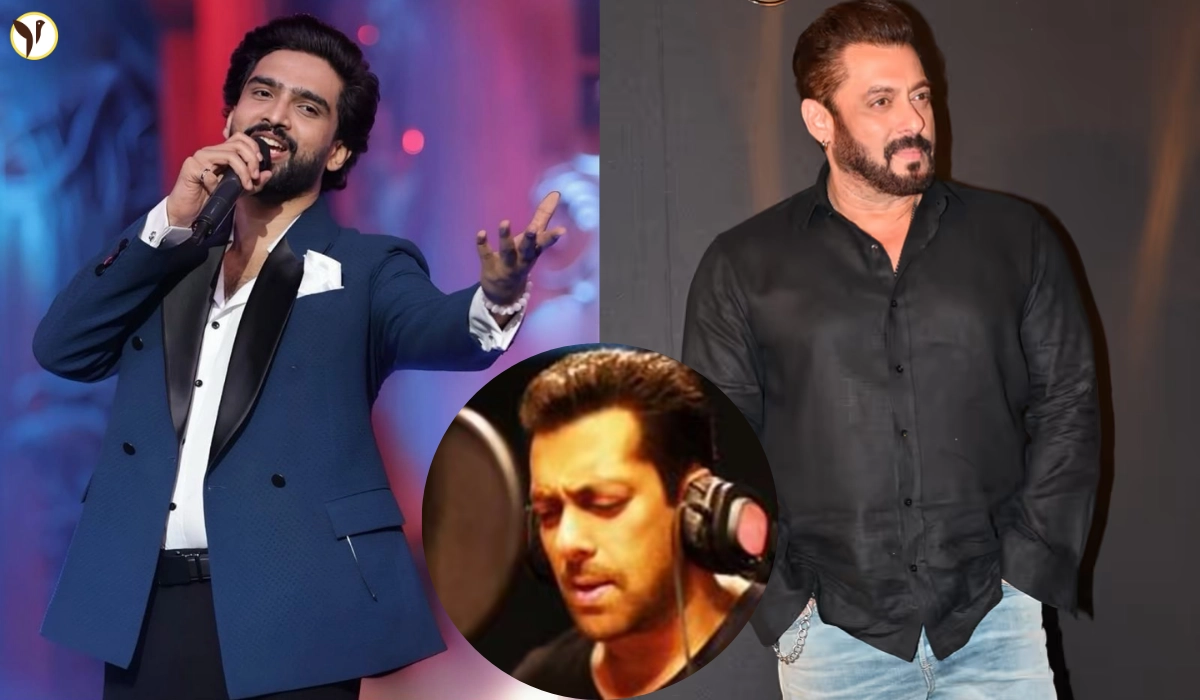
Recently, however, a rare behind-the-scenes revelation surfaced that offered a stark exception to this rule. Amaal Malik Reveals — Salman Khan Took the Bullet for Song, sharing a compelling account of how the superstar stepped in to shield a musical composition from being axed.
While the headline itself offers a tantalizing glimpse into Bollywood’s inner workings, the actual significance of this revelation extends far beyond a single anecdote. It highlights a fundamental flaw in how the modern film industry treats its music, and why the intervention of a towering figure like Salman Khan is both a relief for artists and an indictment of the system at large.
Here is a deep dive into what actually happens when a song faces the axe, why superstar intervention is so rare, and what this means for the future of independent and commercial music in India.
The Anatomy of a "Cut": Why Bollywood Songs Get Axed
To understand the gravity of Salman Khan’s intervention, one must first understand the ecosystem in which a Bollywood music composer operates. Unlike independent artists who have final say over their tracklists, film composers are essentially freelancers working within a deeply hierarchical corporate structure.
When a song is recorded, it must pass through several gates before reaching the audience. To provide clarity on the lifecycle of a film track and the vulnerabilities it faces, here is an original analysis of the primary reasons songs are removed post-production:
|
|
|
|
|
|
|
|
|
|
|
|
|
|
|
|
|
|
|
|
|
|
|
|
|
|
|
|
|
|
What Actually Happened: The Context of the Revelation
Amaal Mallik, belonging to the legacy Malik family (son of Daboo Malik, nephew of Anu Malik), is no stranger to the pressures of delivering hits. However, having a famous surname offers little protection when a producer decides a track doesn't serve the film's commercial interests.
According to Mallik’s recounting, a specific track he composed faced severe pushback. The resistance was not necessarily about the quality of the music, but rather the logistical and political friction it was generating—whether that friction stemmed from budget constraints, creative disagreements with the director, or external pressures. In the rigid structure of a film set, once the "higher-ups" decide a song is a liability, the composer has virtually no recourse to save it.
This is where the dynamic shifted. Salman Khan, who was attached to the project, was presented with the option to remove the song to smooth over the production process. Instead of taking the path of least resistance, Khan refused. He essentially "took the bullet"—absorbing the friction, the financial pushback, or the political fallout—to ensure the song remained in the final cut.
Why It Matters: The Unseen Power Dynamics of Film Music
To the average viewer, a song in a movie is just three minutes of entertainment. To the composer, it is months of melodic构思 (conceptualization), arrangement, recording with live musicians, and mixing. When a song is cut, it is a tangible erasure of labor.
Salman Khan’s decision to intervene matters for three critical reasons:
1. The Marginalization of the Music Director
In contemporary Bollywood, the role of the music director has been systematically downsized. Producers frequently dictate the genre, the singer, and even the melodic structure based on Spotify algorithms and YouTube trending data. The composer is often reduced to an executor rather than a creator. When a star of Khan’s magnitude overrides the producer to protect the composer’s vision, it temporarily restores the creative hierarchy to its rightful place.
2. The Commercial vs. Artistic Debate
Songs are frequently cut because they are deemed "not necessary for the story." This is a fundamentally flawed way to look at Hindi cinema, which has historically relied on its soundtrack to drive pre-release hype and box office openings. By protecting the song, Khan implicitly acknowledged that the musical identity of a film is just as crucial as its narrative pacing.
3. The Rarity of Top-Down Protection
Most A-list actors are primarily concerned with their screen time, their character arcs, and their dialogue. Very few possess the musical acumen—or the willingness to engage in backstage conflict—to fight for a background score or a standalone track. Khan’s intervention is an anomaly in an industry where actors rarely stick their necks out for the technical crew.
The "Salman Factor": Understanding His Relationship with Music
To fully grasp why Amaal Malik Reveals — Salman Khan Took the Bullet for Song, one must understand Khan’s historical relationship with music.
Unlike many of his contemporaries who treat songs as contractual obligations, Khan has a documented history of deeply involving himself in the musical process of his films. From suggesting specific hooks to championing new playback voices (he was instrumental in launching several singing careers in the 90s and 2000s), Khan views a film's music as an extension of his own brand.
Furthermore, Khan operates with a level of autonomy that few in the industry possess. When a standard actor argues with a producer over a song, it leads to a stalemate. When Salman Khan argues, the production machinery has to yield. This asymmetry of power is exactly why his intervention was successful, and it underscores a somber reality: in Bollywood, a piece of art is often only safe if it has the implicit backing of a heavyweight.
What Happens Next: The Ripple Effect on the Industry
While this revelation is a heartwarming story for Amaal Mallik and his fans, does it signal a shift in how the industry operates? The realistic assessment is nuanced.
The Short-Term Impact: In the immediate aftermath of such revelations, there is often a temporary boost in morale among freelance musicians. It serves as a reminder that allies exist at the highest levels. For Amaal, it solidifies his professional reputation—not just as a talented composer, but as an artist capable of creating work so compelling that it demands protection.
The Long-Term Structural Reality: However, one superstar's intervention does not dismantle the systemic issues outlined in Table 1. The economics of filmmaking are tighter than ever. With the rise of streaming platforms, films are frequently commissioned with strict runtime mandates (often under 120 minutes), making musical interludes the first casualty.
What this revelation does do is set a benchmark. It provides composers with a tangible example to point to when negotiating their creative boundaries. It proves that a song is not just "filler," but a vital component of the cinematic experience worth fighting for.
The Listener's Perspective: Re-evaluating How We Consume Film Music
For the audience, this behind-the-scenes drama should prompt a re-evaluation of how we consume Bollywood music. We live in an era of algorithmic streaming, where tracks are often skipped after ten seconds if they don't immediately catch the ear.
Understanding the bureaucratic battlefield a song survives to reach our playlists adds a layer of appreciation. The next time a perfectly placed track elevates a film's climax or opening sequence, listeners should recognize that its presence is not a given. It is the result of a composer fighting for their vision, and occasionally, a star willing to absorb the backlash to ensure the art reaches the audience.
Other Articles to Read: