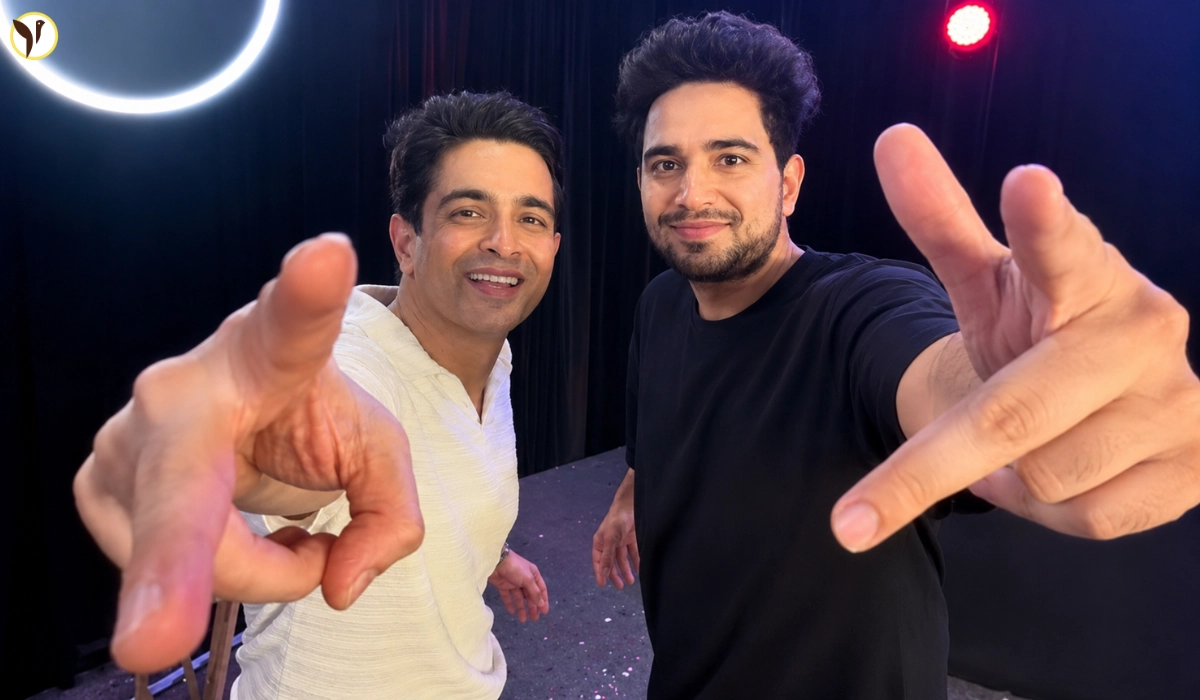


The Indian digital content ecosystem has operated for years in a legal grey area—pushing boundaries, testing the limits of free speech, and relying on the slow pace of the judicial system to outrun public backlash. That era effectively ended when the Supreme Court of India addressed the cascading legal crisis triggered by YouTuber Ranveer Allahbadia’s remarks on Samay Raina’s show, India’s Got Latent.
When the highest court in the land makes a sweeping observation that those who exploit the system for profit must face the consequences—widely paraphrased in legal and media circles as a "let them suffer" stance—it is not merely a rebuke. It is a structural warning to an entire industry.
Here is a forensic breakdown of what the Supreme Court actually said, why it refused to intervene aggressively, and how this single legal development rewires the rules for digital creators in India.
The Anatomy of the Controversy: Beyond the Outrage
To understand the Supreme Court’s strict posture, one must separate the viral outrage from the actual legal mechanics of the case.
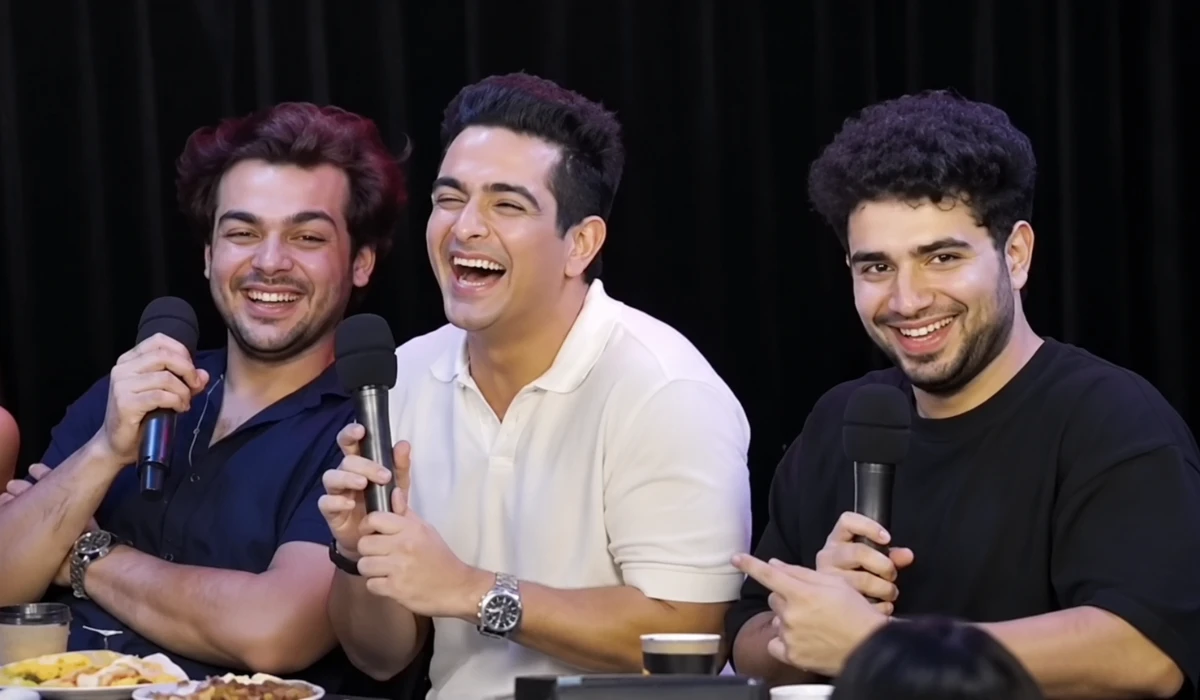
During an episode of India’s Got Latent—a show built on a format of unfiltered, often abrasive comedy—Ranveer Allahbadia (widely known as BeerBiceps) posed a deeply inappropriate question to a contestant regarding parental abuse. The clip, stripped of its live-audience context, went viral.
The fallout was immediate and multi-jurisdictional. Unlike traditional media, where a broadcast is limited to a specific geographic regulatory body (like the NBFC or I&B Ministry), a digital show distributed on YouTube triggers criminal jurisdictions across the country.
The Legal Fallout Map:
- Maharashtra: First Information Reports (FIRs) registered under Section 295A (deliberate and malicious acts intended to outrage religious feelings) and Section 292 (obscenity) of the Bharatiya Nyaya Sanhita (BNS).
- Assam & Gujarat: Independent FIRs filed citing the same sections, fueled by local political and social activism.
- High Courts: Multiple petitions were filed seeking the immediate arrest of the creators and the takedown of the YouTube channel.
The core issue was not just the offensive nature of the comment, but the alleged commercialization of obscenity. The legal argument posited that the creators monetized shock value, bypassing the censor boards that traditional Bollywood or television content must clear.
Decoding the Supreme Court’s Stance
When the matter reached the Supreme Court, led by Justices Surya Kant and Nongmeikapam Kotiswar Singh, the anticipation was that the Court would consolidate the FIRs to protect the creators from harassment. The Court did the unexpected: it transferred the cases to Delhi, but delivered a searing lecture on accountability.
What Did the Court Actually Say?
The bench observed that individuals cannot make money by peddling obscenity and then seek immediate judicial shelter when public anger erupts. The Court noted the sheer absurdity of the situation—individuals claiming to be educators and role models participating in content that degrades societal standards.
The phrase "let them suffer" stems from the Court's refusal to grant a blanket stay on the FIRs or immediate anticipatory bail that would nullify the investigation. The judiciary's message was clear: the legal process must be allowed to take its course.
The Precedent of "Frivolous" Content
This is a stark departure from how the Supreme Court has historically handled high-profile entertainment cases. In the past, the Court has often quashed FIRs against filmmakers or artists, citing artistic liberty. By drawing a line here, the Supreme Court differentiated between "artistic expression" and what it perceived as "commercial obscenity" disguised as comedy.
Samay Raina Ranveer Allahbadia: A Comparative Legal Analysis
To grasp the gravity of the Supreme Court’s approach, we must look at the structural legal realities both creators face. The following data table provides an original analysis of their respective legal standing, the charges invoked, and the strategic implications of the court's order.
|
|
|
|
|
|
|
|
|
|
|
|
|
|
|
|
|
|
|
|
|
|
|
|
|
|
|
|
|
|
Why This Matters: The End of the "Wild West" Era
For the millions of aspiring creators and established YouTubers in India, this case is a masterclass in legal exposure. For half a decade, the digital space operated on a dangerous assumption: that the internet is a jurisdiction-free zone, and that an apology video uploaded at midnight could serve as a legal remedy.
The Supreme Court’s intervention dismantles this myth through three critical realizations:
- Monetization Changes Everything: If a creator is making money from a platform, they are a commercial entity. Commercial entities do not enjoy the same blanket protections of free speech as private individuals.
- Apologies Are Admissions of Guilt: In the digital space, creators rush to apologize to appease the algorithm and sponsors. Legally, these apologies are treated as substantive admissions of guilt. Allahbadia’s public apology was used by petitioners in court to argue that even he recognized the criminality of his act.
- Intermediary Liability is Real: Samay Raina’s deletion of his social media accounts and the pulling down of India's Got Latent episodes was a panic reaction. Under the IT Act, deleting evidence after a crime is alleged carries its own severe penalties. The Court took note of this digital "clean-up," which only hardened its stance.
◆ The Supreme Court imposed a ₹3 lakh cost each on Samay Raina, Ranveer Allahbadia, and Ashish Chanchlani for failing to comply with its earlier directions.
— Edge News (@EdgeNewsIN) July 15, 2026
◆ The bench was informed that persons with disabilities were not invited to their shows as directed by the court.
◆… pic.twitter.com/xjSp0rjfGT
What Happens Next: The Forward-Looking Insight
The judicial process is slow, but the trajectory is now set in stone. Here is the exact roadmap of how the legal battle will unfold over the next 6 to 12 months.
Phase 1: Interrogation and Chargesheets (Months 1-3) With the FIRs consolidated in Delhi, the Delhi Police will summon both Raina and Allahbadia for prolonged questioning. The police will examine the raw, unedited footage (which the Forensic Science Laboratory is likely already analyzing) to determine if the offensive segment was scripted or improvised. Scripted obscenity carries a heavier legal penalty than a spontaneous, off-the-cuff remark.
Phase 2: The Bail Battle in the High Court (Months 3-6) Both creators will have to apply for anticipatory bail before the Delhi High Court. Given the Supreme Court’s stern observations, this will not be a formality. The High Court will evaluate the severity of the allegations, the likelihood of the creators tampering with evidence (already a concern due to the deleted episodes), and the quantum of punishment.
Phase 3: The Trial and Industry Regulation (Months 6-24) As the trial progresses in a Delhi district court, the ripple effects will force regulatory changes. We are likely to see the Ministry of Information and Broadcasting accelerate the implementation of the Digital Media Ethics Code. Expect mandatory self-regulatory bodies for YouTubers, similar to the CBFC for films, to become a legal reality rather than a suggestion.
The Creator's Dilemma: Navigating the New Reality
The tragedy of the Samay Raina Ranveer Allahbadia saga is not just the legal peril they face, but the realization that an entire generation of digital media was built on a flawed understanding of the law.
Content creators have long mistaken "viral engagement" for "public mandate." The Supreme Court has drawn an immutable line between what a section of the internet finds entertaining and what a civilized society is legally obligated to tolerate.
For the audience, the message is equally sobering. The demand for increasingly extreme content—the "shock value" economy—is what incentivizes creators to cross the line. When the line is crossed, the law does not care about your subscriber count, your brand value, or your intentions. As the Supreme Court made unequivocally clear: the consequences must be faced.
Other Articles to Read: