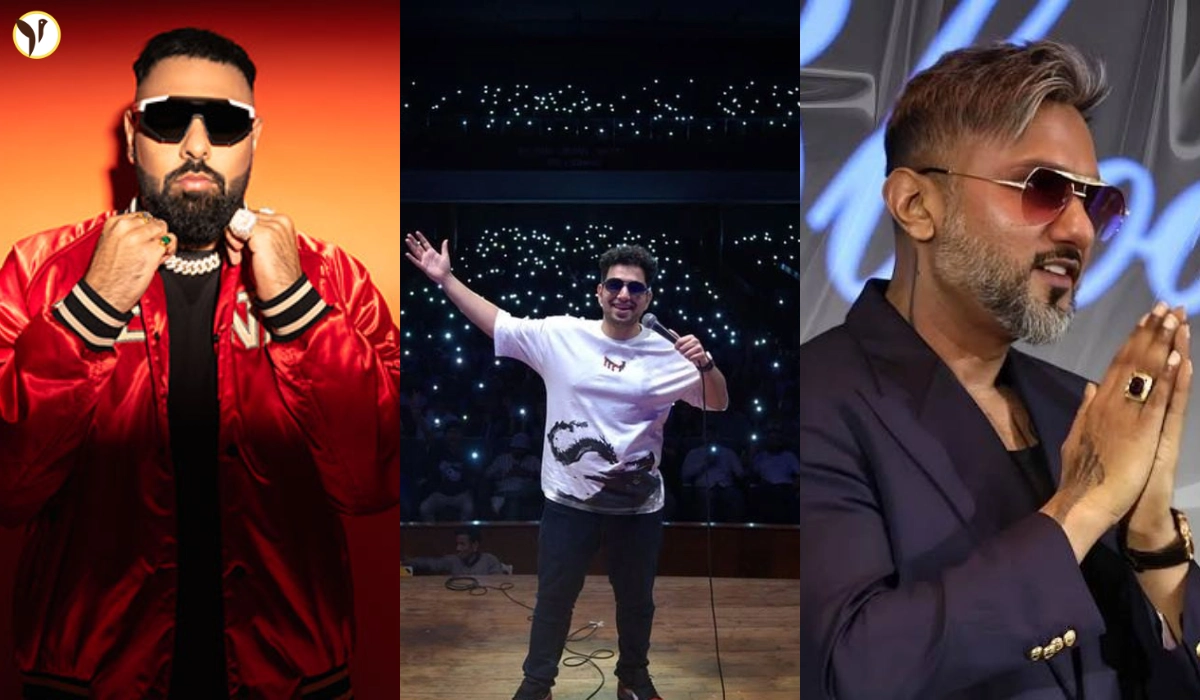
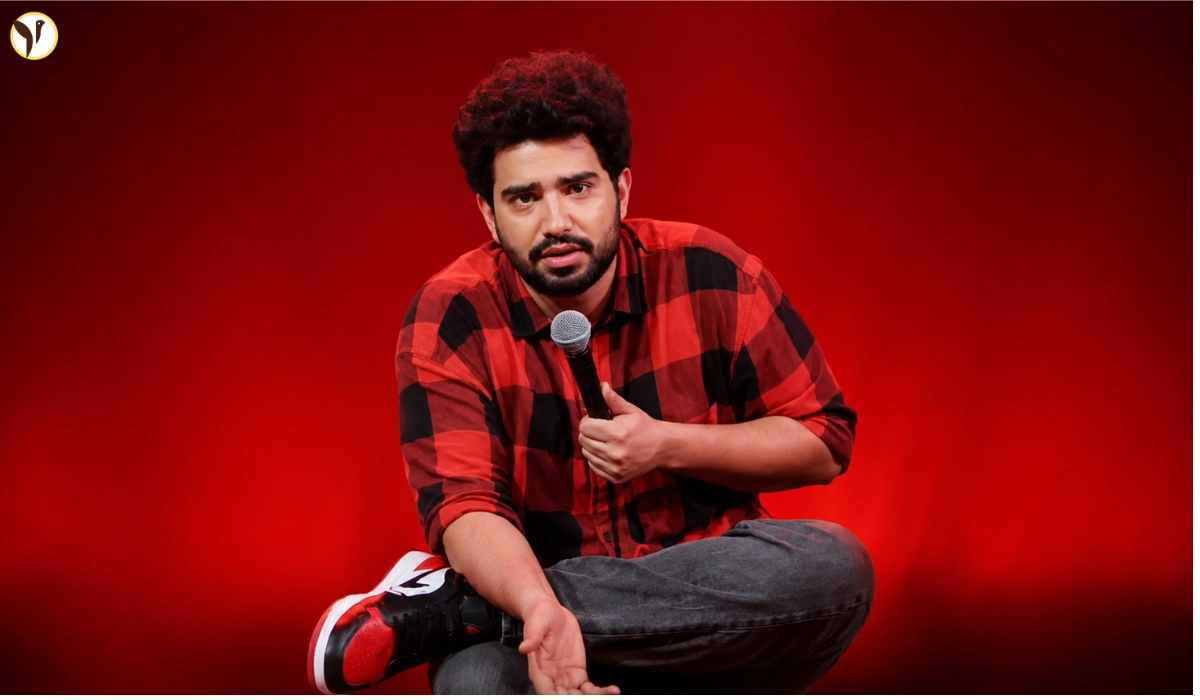


In a development that signals a definitive tightening of legal boundaries around digital entertainment, popular comedian and YouTube streamer Samay Raina has been directed by a court to pay a fine of Rs 3 lakh. While the digital creator ecosystem in India has long operated in a legal gray area—relying largely on public backlash rather than judicial consequences for content disputes—this ruling represents a tangible shift. It moves the accountability of internet creators from the court of public opinion directly into the courtroom.
For an industry accustomed to measuring risks in terms of "demonetization" or "cancel culture," a statutory financial penalty introduces a new, far more severe calculus. Here is a deep dive into the facts of the ruling, the underlying legal mechanics, and why this specific fine matters far beyond the individuals involved.
The Core Incident: What Actually Happened?
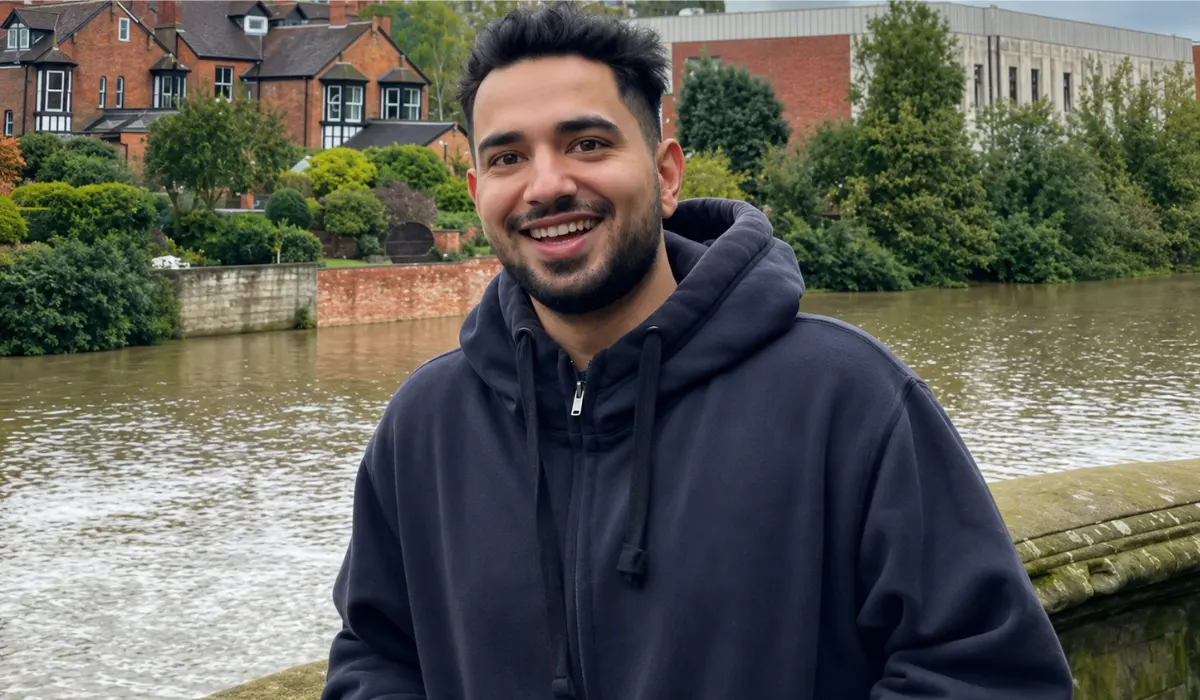
According to recent court directives, Samay Raina was taken to court over content produced and broadcasted on his digital channels. The plaintiff argued that the content in question crossed legally actionable lines, resulting in a formal lawsuit.
Unlike platform-level strikes—which are governed by the arbitrary terms of service of companies like YouTube or Twitch—a court order carries the weight of the Indian judicial system. The presiding authority reviewed the grievances, assessed the nature of the digital broadcast, and ultimately mandated a financial penalty of Rs 3 lakh.
It is crucial to note that in civil and quasi-criminal content disputes, a fine of this magnitude is not arbitrary. It is typically calculated based on the demonstrable harm caused, the reach of the content, and the necessity to set a deterrent precedent. The court’s decision to mandate a direct financial payout rather than simply ordering a takedown underscores a growing judicial impatience with unchecked digital broadcasting.
Why This Matters: The End of the "Wild West" Era
To understand the gravity of this ruling, one must look at the macro trends of the Indian creator economy, which is currently estimated to be worth over $1 billion. For years, the ecosystem has thrived on a decentralized, unscripted format—most notably through "live streams" and "podcasts."
The Unique Liability of Live Streaming
Unlike pre-recorded YouTube videos, which offer creators the opportunity to edit, review legally sensitive material, and mute liabilities before publishing, live streaming is inherently volatile. Creators like Raina have built massive audiences by leveraging this raw, unfiltered format. However, from a legal standpoint, live streaming removes the "due diligence" defense.
If defamatory, offensive, or legally restricted content is broadcast live, the creator cannot claim ignorance or intent to edit it out later. The court's order to pay Rs 3 lakh acts as a stark reminder that the law does not differentiate between a broadcast on national television and a broadcast on a smartphone from a bedroom. The liability remains identical.
Moving Beyond "Cancel Culture"
When digital creators historically crossed the line, the primary repercussion was social ostracization—often dubbed "cancel culture." While damaging to brand deals, it rarely resulted in direct financial ruin via the legal system. This ruling validates the premise that legal redress is now a viable, effective tool for aggrieved parties in the digital space.
Contextualizing the Rs 3 Lakh Penalty: An Analytical Breakdown
To provide clearer perspective on where this fine stands in the broader landscape of digital media liabilities in India, we have compiled an analytical comparison. This table contrasts the Raina ruling with other typical regulatory actions in the digital sphere.
Comparative Analysis of Digital Content Liabilities in India
|
|
|
|
|
|
|
|
|
|
|
|
|
|
|
|
|
|
|
|
|
|
|
|
|
|
|
|
|
|
The Rs 3 lakh fine sits squarely in the "sweet spot" of civil judicial penalties. It is high enough to severely dent an individual creator's finances and serve as a public deterrent, but it deliberately avoids the catastrophic threshold of criminal prosecution. The court appears to be using financial penalty as a calibrated tool for behavioral correction rather than outright punishment.
The Legal Anatomy: How Courts Evaluate Digital Content
For readers unfamiliar with media law, it is helpful to understand how a court arrives at a figure like Rs 3 lakh for an internet video or stream. The judicial evaluation typically hinges on three primary pillars:
- Intent and Malice: Was the content a genuine mistake, or was there a deliberate attempt to defame, harass, or incite? Live streams often argue the former, but courts are increasingly scrutinizing the "reckless disregard" for truth—a standard that does not require explicit malice, only a careless attitude toward the facts.
- Reach and Amplification: The viral nature of digital content is a double-edged sword. A defamatory statement made to 10 people at a private gathering carries a certain penalty. The same statement made to 500,000 concurrent live viewers multiplies the "harm quotient." Courts actively consider view counts, shares, and clip distributions when calculating fines.
- Failure of Self-Regulation: Did the creator have mechanisms in place to prevent the harm? If a stream features a guest making legally dubious claims, the host (the creator) is legally viewed as the publisher. Failing to cut the feed, issue a disclaimer, or distance oneself from the statement in real-time is heavily factored into the liability.
What Happens Next: Forward-Looking Insights
The immediate aftermath of this court order will likely unfold across three distinct fronts:
1. The Legal Appellate Process
For Samay Raina and his legal counsel, the immediate next step is likely an evaluation of the appellate options. In civil matters of this nature, defendants frequently appeal to a higher court (such as a District Court or High Court, depending on where the original ruling was made) seeking a stay on the fine or a reduction of the penalty. How the appellate court handles this will determine if this becomes a binding, cited precedent for future cases.
2. Platform-Level Chill and Self-Censorship
Expect a noticeable shift in how content is produced. We are likely to witness the rise of "legal buffers" within creator teams. Large-scale streamers will likely begin employing compliance editors or implementing 30-to-60-second broadcast delays for live content—a standard practice in traditional broadcast news that has been stubbornly resisted in the creator economy due to the desire for "real-time" audience interaction.
3. The Rise of Digital Media Insurance
Just as traditional media houses carry extensive liability insurance, this ruling will accelerate the adoption of tailored insurance policies for digital creators. Policies that cover legal defense costs and civil fines arising from content disputes will transition from a niche corporate product to a standard operational expense for mid-to-large creators.
Key Takeaways for the Digital Ecosystem
To distill this development into actionable clarity:
- Live streaming is legally vulnerable: The lack of an edit button is no longer a shield; it is a liability in the eyes of the court.
- Financial penalty is the new norm: The justice system is bypassing "cancel culture" to impose direct, monetary consequences on creators.
- The "Guest Loophole" is closing: Hosting someone who makes legally actionable statements on your stream makes you financially liable, not just the speaker.
- Scale increases liability: As a creator's audience grows, their legal exposure grows proportionately. A million subscribers is an asset, but it is also a massive legal risk multiplier.
Other Articles to Read: