
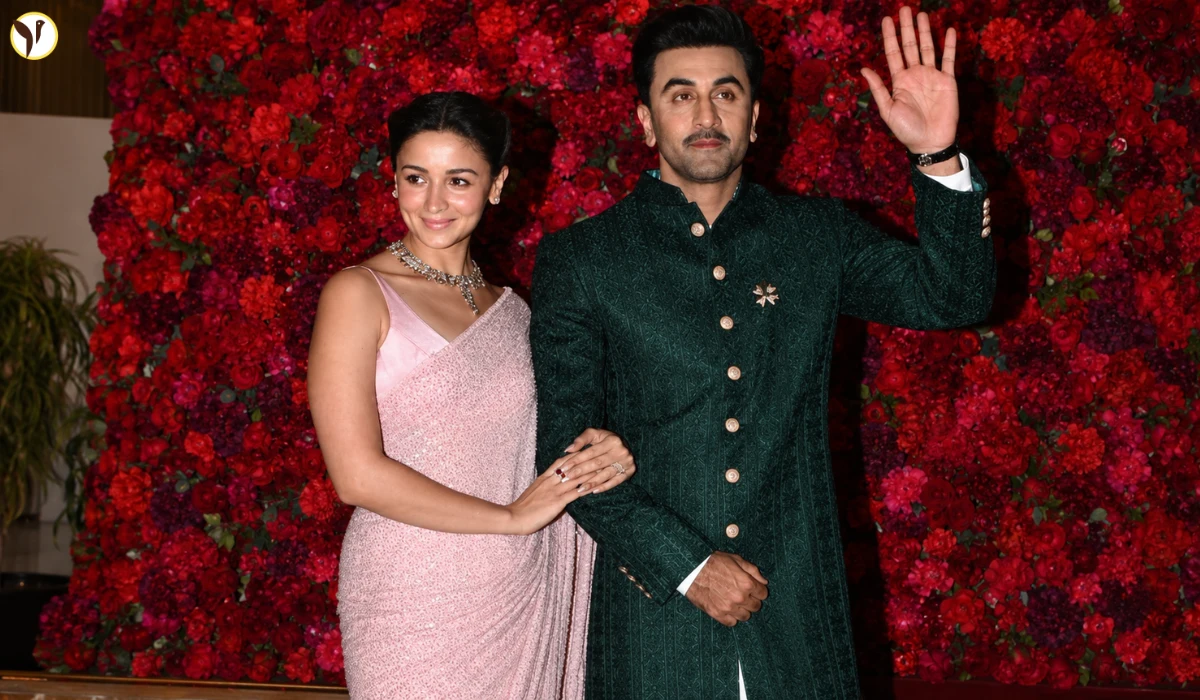


Bollywood’s approach to wealth management has evolved significantly over the past decade. Gone are the days when A-listers limited their portfolios to luxury apartments in Bandra or penthouses in Lower Parel. Today, the focus has shifted toward tangible, high-yielding, and long-term asset classes—specifically, land.
In a recent transaction that highlights this macro trend, Ranbir Kapoor buys 25 acres Pune Rs 16.42 crore worth of land, marking a calculated financial move closely following his highly publicized property acquisition in Ayodhya. While the headlines focus on the celebrity name, the underlying data reveals a sophisticated land-banking strategy that speaks volumes about the current state of real estate investment in Maharashtra.
Here is a detailed breakdown of what this transaction entails, why the valuation raises interesting questions, and what this dual-city investment strategy signals for high-net-worth individuals (HNWIs) in India.
The Transaction Breakdown: Ayodhya vs. Pune
To understand the Pune acquisition, it must be viewed in the context of Kapoor’s recent real estate activity. The actor has seemingly adopted a geographically diversified investment strategy, balancing cultural and spiritual hubs with established economic corridors.
|
|
|
|
|
|
|
|
|
|
|
|
|
|
|
|
|
|
|
|
|
|
|
|
|
|
|
|
Analyzing the Valuation Metric
The most striking figure in this transaction is the per-acre cost. At Rs. 16.42 crore for 25 acres, the math translates to approximately Rs. 65.68 lakh per acre. In prime Pune locations—such as Baner, Hinjewadi, or Kalyani Nagar—land prices routinely exceed Rs. 10 crore to Rs. 20 crore per acre.
So, why is this plot so relatively inexpensive?
The answer lies in zoning and geography. At this price point, the land is almost certainly classified as agricultural and located in Pune's far peripheral zones—likely areas like Maval, Velha, Baramati talukas, or the outskirts of the Shirur corridor. For institutional and HNWI investors, buying agricultural land at a low base price and holding it until local municipal limits expand is the foundational concept of "land banking."
Why Pune? The Economic Rationale
Pune is no longer just a pensioner's city or a secondary IT hub to Bangalore. It has transformed into a multi-trillion-dollar economic engine. Kapoor’s investment into 25 acres here is backed by hard economic data:
- The Manufacturing and EV Corridor: Pune is the undisputed auto-manufacturing capital of India. With the shift toward Electric Vehicles (EVs), companies like Tata Motors, Mercedes-Benz, and various battery-tech startups are expanding their footprints. Land adjacent to these industrial zones appreciates exponentially when zoning laws are updated.
- Infrastructure Bottleneck Resolution: Projects like the Pune-Mumbai Expressway expansion, the Navi Mumbai International Airport connectivity (via the Mumbai-Pune Expressway and upcoming rail links), and the Purandar Airport project are pushing city limits outward.
- Water and Resource Availability: Unlike arid regions, the peripheral areas of Pune (particularly toward the Western Ghats) have water security, making them prime candidates for future residential or commercial zoning by the PMRDA.
By acquiring a 25-acre parcel, Kapoor is not buying a home; he is buying a strategic fraction of Pune's future urban sprawl.

The Legal Framework: Navigating Maharashtra Land Laws
Buying 25 acres of land in Maharashtra is not a standard real estate transaction. It is heavily regulated, and executing it requires navigating complex legal frameworks, specifically the Maharashtra Agricultural Lands (Ceiling on Holdings) Act, 1961, and the Bombay Tenancy and Agricultural Lands (BTAL) Act, 1948.
Key Legal Hurdles Cleared in This Transaction:
- Non-Agriculturist Purchase: Under Section 43 of the BTAL Act, a person who is not a registered agriculturist cannot purchase agricultural land in Maharashtra. Kapoor, a Mumbai resident and film actor, would have had to either present existing agricultural land ownership (which he may have acquired prior) or obtain specific exemptions from the District Collector.
- Ceiling Limits: The Maharashtra Ceiling Act restricts the amount of agricultural land a family can hold. The standard limit is usually around 10 to 15 acres, depending on the classification of the land (irrigated vs. dry). Acquiring 25 acres suggests that either the land is classified as "dry" or "grassland" (which has a higher ceiling limit), or the purchase was structured through a legal entity, trust, or joint-family arrangement to remain compliant.
- Conversion (NA Plot): The land is currently agricultural. If the investment thesis relies on future development, the buyer will eventually need to apply for Non-Agricultural (NA) conversion, a process governed by local tehsildar offices and the PMRDA, which attracts heavy premiums and scrutiny.
This legal rigor adds a layer of credibility to the investment. It is not a casual purchase; it requires due diligence, legal counsel, and government approvals, confirming the transaction's legitimacy.
What Happens Next? The Land Banking Playbook
When a high-net-worth individual acquires 25 acres on the urban periphery, the timeline for returns is typically measured in decades, not years. Here is the standard lifecycle of such an investment:
Phase 1: Consolidation and Holding (Years 1-5) The immediate step is to secure the boundaries, ensure clear title deeds, pay any pending agricultural taxes, and potentially lease the land back to local farmers for cultivation. This keeps the land "active" agriculturally, which is often a prerequisite for maintaining its agricultural status and avoiding penal taxes.
Phase 2: Zoning Advocacy and NA Conversion (Years 5-15) As the city's infrastructure projects (roads, water lines) reach the vicinity of the land, investors lobby for the local planning authority (PMRDA) to include the area in their "Development Plan." Once included, the land can be converted from Agricultural to Non-Agricultural (NA), instantly multiplying its market value by 5x to 10x.
Phase 3: Monetization (Years 15-20+) A 25-acre parcel is too large for a single residential villa. The endgame usually involves:
- Joint Ventures (JVs) with real estate developers to build a gated township.
- Selling a portion to the government for public infrastructure at a premium.
- Developing a boutique luxury resort or agro-tourism complex, capitalizing on Pune's weekend tourism economy.
Bollywood’s Pivot to Hard Assets
Ranbir Kapoor’s Pune acquisition is not an isolated event. It is part of a broader secular trend among India's top earners.
Financial planners note that the entertainment industry is inherently volatile. Income flows are irregular, dependent on box office success, and subject to high taxation. To counter this, celebrities are moving away from depreciating assets (luxury cars, high-maintenance city apartments) toward appreciating, illiquid hard assets (land, commercial office spaces, and agricultural estates).
- Amitabh Bachchan holds extensive agricultural land in Lonavala and Maval.
- Ajay Devgn owns a massive film studio and agricultural tracts in Gujarat and Maharashtra.
- Shah Rukh Khan has invested heavily in land in Alibaug.
By choosing Pune—a market with transparent price discovery and strong corporate demand—Kapoor is ensuring that his wealth is insulated from the volatility of the entertainment sector while capturing the upside of India's urbanization wave.
The headline that Ranbir Kapoor buys 25 acres in Pune for Rs 16.42 crore initially reads like standard celebrity real estate gossip. However, a closer examination of the geography, the per-acre valuation, and the legal realities of Maharashtra land laws reveals a highly structured financial maneuver.
Situated in the likely peripheral zones of Pune, this 25-acre parcel represents a classic land-banking strategy. It is a patient, long-term bet on the expansion of the Pune Metropolitan Region, backed by the economic gravity of the city's manufacturing and IT sectors. Coupled with his strategic acquisition in Ayodhya, Kapoor is demonstrating a diversified, geographically agnostic approach to wealth preservation that mirrors institutional real estate funds more than traditional celebrity spending. For market observers, this transaction is less about the actor and more about a confirmation of Pune's enduring status as a premier destination for serious capital allocation.
Other Articles to Read: