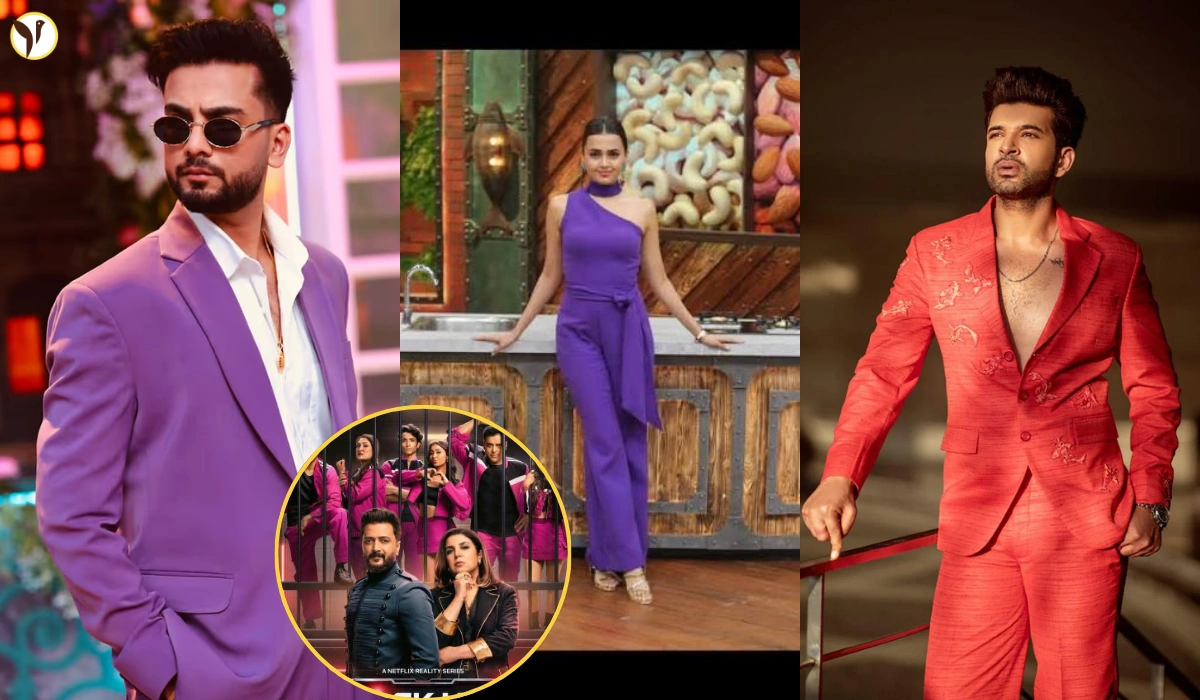


For over two decades, the Indian reality television ecosystem has relied on a rigid, unspoken hierarchy: an omniscient host watches from a perch, while chaotic contestants battle for survival in a closed arena. The announcement that Elvish Karan Tejasswi become new jailors now for Lock Upp 2 is not merely a casting update; it is a calculated dismantling of that very hierarchy. By elevating former inmates and reality royalty—Elvish Yadav, Karan Kundrra, and Tejasswi Prakash—to positions of absolute authority, the show’s producers have triggered a structural reset that demands closer examination.
This is not a gimmick. It is an experiment in psychological warfare, audience retention, and the evolving nature of parasocial relationships in Indian OTT spaces. Here is a comprehensive breakdown of what actually happened, why this pivot matters for the future of unscripted television, and how it fundamentally alters the experience for both the contestants and the viewers.
The Anatomy of the Twist: What Actually Happened?
Lock Upp, the captive reality show produced by Ekta Kapoor’s Balaji Telefilms and hosted by Kangana Ranaut, broke ground in its first season by offering a raw, unfiltered look at celebrity confinement. However, Season 2 risked falling into the fatigue that plagues all second-season reality formats. The solution was not bigger stunts, but a fundamental role reversal.
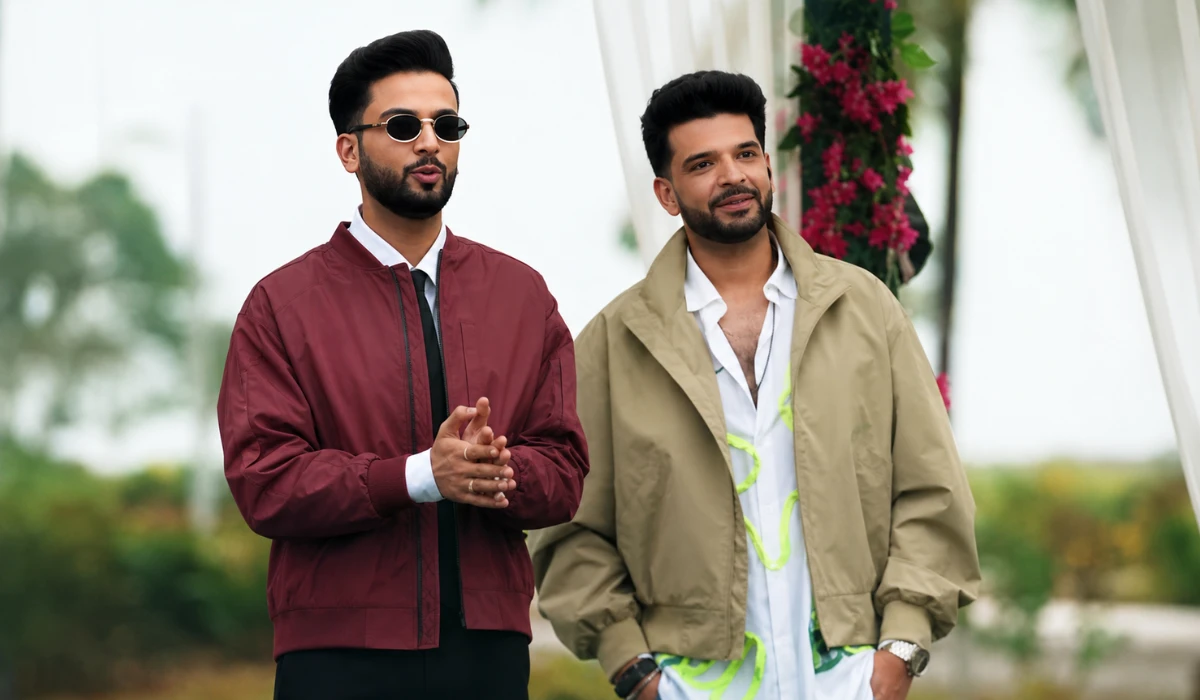
Instead of relying solely on Kangana Ranaut’s formidable screen presence as the sole arbiter of justice, the creators have inducted a "Triad of Wardens." Elvish Yadav, who famously bypassed the traditional television route to win Bigg Boss OTT 2 via massive digital voting; Karan Kundrra, who effectively served as a bridge between the inmates and the production in Season 1; and Tejasswi Prakash, a proven strategic mastermind and Bigg Boss 15 champion, are now the new jailors.
This shifts the show from a monarchy to an oligarchy. The inmates are no longer just fighting the system; they are fighting a system manned by people who were in their exact shoes just months or years ago.
Decoding the Roster: A Data-Driven Approach
To understand the gravity of this shift, one must analyze the digital and cultural capital each new jailor brings. They were not chosen at random. Their selection represents a calculated cross-section of the modern Indian entertainment audience.
|
|
|
|
|
|
|
|
|
|
|
|
|
|
|
|
|
|
|
|
|
|
|
|
Why This Matters: The Death of the "Impartial Observer"
In traditional reality TV, the host is positioned as a god-like figure—impartial, distant, and immune to the emotional turbulence of the house. By making Elvish, Karan, and Tejasswi jailors, the producers are weaponizing their known biases.
The Weaponization of Fandoms
Indian reality TV is no longer driven by casual viewers; it is driven by organized fandoms. Elvish Yadav’s "Systumm" is arguably the most aggressive and loyal digital army in the country today. Tejasswi and Karan bring their own massive, battle-tested fanbases. When these jailors interact with inmates, the audience does not view it as a standard reality show interaction. They view it as an invasion of their territory or a validation of their loyalty. This guarantees astronomical engagement metrics, but it also raises the stakes for the inmates, who must now navigate the egos of jailors who have their own fan armies to appease.
The Empathy Gap is Closed
The most significant advantage a reality show contestant has is the belief that the host "doesn't understand" how hard it is to live without basic amenities. That empathy gap is now closed. If an inmate complains about the food or the lack of sleep, they cannot use the excuse that the authority figure doesn't understand. Tejasswi Prakash survived 100+ days in the Bigg Boss house; Elvish survived the intense digital scrutiny of the OTT format. Their authority is unassailable because their credentials are earned, not appointed.
Shifting the Kangana Ranaut Dynamic
With three jailors managing the day-to-day psychological warfare, Kangana Ranaut’s role elevates from a weekly interrogator to a Supreme Court judge. She no longer needs to micromanage the inmates. She can observe the jailors themselves, stepping in only for grave infractions. This preserves her star power and prevents audience fatigue from seeing her in every single segment, making her appearances far more impactful.
What Happens Next: The Forward-Looking Insight
The immediate aftermath of this format shift will dictate the success of Lock Upp 2. Based on the established behavioral patterns of unscripted television, we can project several distinct phases the show will inevitably enter.
Phase 1: The Testing of Boundaries (Weeks 1-3) The initial inmate roster will attempt to test the limits of the new jailors. Expect to see contestants deliberately provoking Karan Kundrra’s temper or trying to get Elvish Yadav to break character by bringing up his YouTube roots. The inmates will want to know if these new wardens have actual punitive power or if they are just figureheads.
Phase 2: The Inmate-Jailor Alliance (Weeks 4-6) Because the jailors are young and recently part of the contestant ecosystem, allegiances will blur. We will likely see a jailor implicitly favoring an inmate they knew from the outside industry. This is where the format becomes dangerous for the production. If the audience perceives that a jailor is rigging the game for a friend, the backlash on social media will be severe. The show will have to deploy strict "conflict of interest" tasks to force the jailors to punish their allies.
Phase 3: The Inmate Uprising (Weeks 7+) Historically, when oppressed groups in reality shows realize their numbers outweigh the authority, they revolt. The climax of the season will likely feature a coordinated strike by the inmates—refusing to follow orders, boycotting duties, or turning the interrogation room back on the jailors. The success or failure of this uprising will be the defining narrative arc of the season.
The Broader Context: How This Reshapes Indian OTT
Lock Upp 2’s pivot is a symptom of a larger evolution in Indian OTT content. We are moving past the era of simply importing Western formats (like Big Brother) and slapping Indian faces on them. Producers are realizing that the Indian audience’s relationship with celebrity has changed due to the democratization of fame via Instagram Reels and YouTube.
By putting a digital creator (Elvish) on the exact same authoritative tier as established television stars (Karan and Tejasswi), Balaji Telefilms is implicitly acknowledging that the definition of a "star" has irreversibly changed. This triad of jailors represents the past, present, and future of Indian entertainment coexisting in one room.
If this experiment succeeds, expect to see a ripple effect across other flagship reality shows. The era of the singular, untouchable host may be drawing to a close, replaced by layered, collaborative, and inherently biased authority figures who are just as much a part of the game as the contestants.
The decision to ensure Elvish, Karan, and Tejasswi become new jailors now is the smartest programming move in Indian reality TV this year. It transforms Lock Upp 2 from a predictable survival show into a complex sociological experiment. It removes the safety net of an impartial host, forces contestants to navigate highly charged, biased authorities, and perfectly mirrors the fragmented, fandom-driven nature of modern digital consumption. For the audience, this means a season that is less about who survives the chores, and more about who can manipulate the manipulators.
Other Articles to Read: