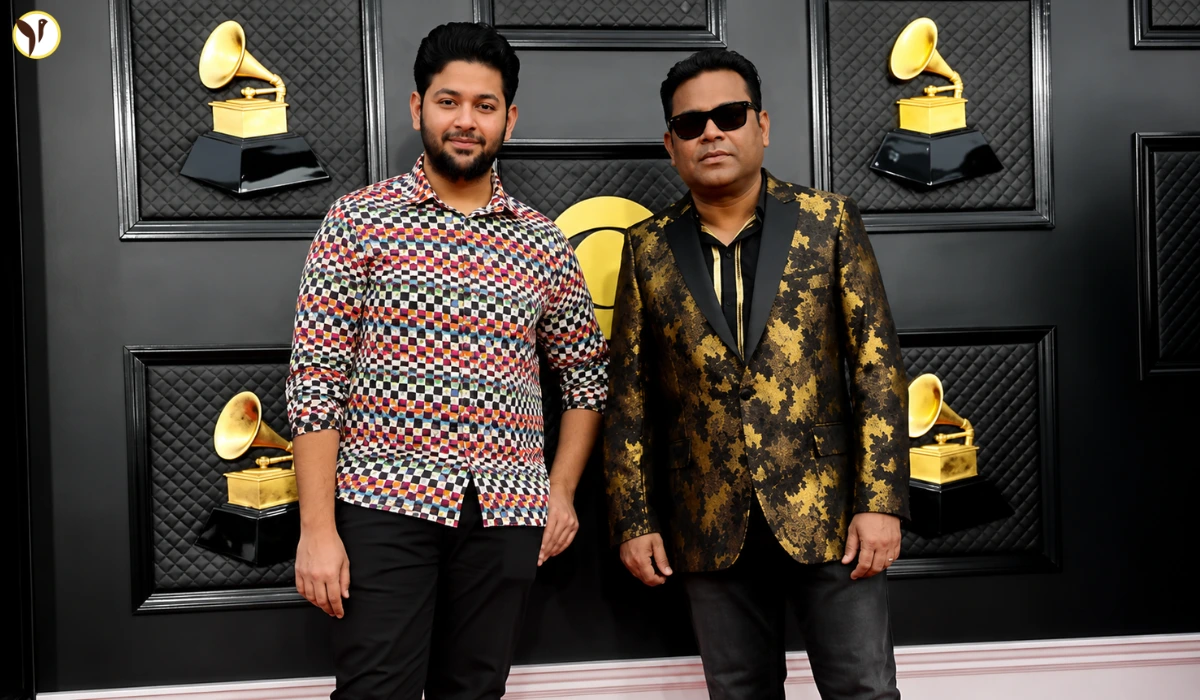



When Bigg Boss OTT 2 winner Elvish Yadav was first implicated in a raid targeting a suspected snake venom-rave party in Noida, the public narrative quickly fractured. To his millions of followers, it was a targeted conspiracy; to law enforcement, it was a clear-cut case of illicit wildlife trafficking and substance abuse. Now, months after the initial arrests, the Elvish Yadav case has taken a decisive turn. Noida Police are actively closing in on a sixth accused, a development that shifts the focus from a single celebrity's culpability to the mechanics of a sprawling, underground network.
This isn’t merely an update in a celebrity scandal. The identification and imminent arrest of a sixth individual expose the complex logistics of how exotic wildlife derivatives are sourced, transported, and sold in elite urban circles. For the reader trying to make sense of the conflicting headlines, here is a clear, investigative breakdown of what this new twist means, why it matters, and how it alters the legal trajectory of the case.
Recapping a High-Profile Bust
To understand the significance of the sixth accused, one must look at the foundation of the case. In November 2023, a joint operation by the Noida Police and the People for Animals (PFA) foundation raided a banquet hall in Sector 51, Noida.
During the raid, five individuals were arrested, and authorities seized nine venomous snakes—including cobras and kraits—along with approximately 20 milliliters of snake venom. The accused were reportedly arranging these items for guests at a clandestine rave party. Elvish Yadav was not present at the venue but was named as an accused by the arrested individuals, leading to his eventual arrest in March 2024 and subsequent release on bail.

Timeline of the Elvish Yadav Snake Venom Investigation
|
|
|
|
|
|
|
|
|
|
|
|
|
|
|
|
|
|
|
|
|
|
|
|
The Logistics Link
The arrival of a sixth accused in the narrative is not an anomaly; in organized crime, it is an expected domino effect. According to investigative sources within the Noida Police, the individual currently being tracked is not a snake catcher, nor a high-profile consumer. Instead, this person is believed to be the critical middleman—the logistics coordinator who bridged the gap between the rural snake charmers and the urban elite.
Why This Specific Arrest Changes Everything
- The Supply Chain Mapping: Until now, the prosecution's case relied heavily on the physical evidence (snakes and venom) and the statements of the initial five arrestees. The sixth accused provides the digital and financial paper trail. Investigators are currently analyzing Call Detail Records (CDRs) and WhatsApp chats that allegedly link this coordinator directly to the event's planners.
- Dismantling the "Conspiracy" Defense: Elvish Yadav’s defense has hinged on the argument that he was falsely implicated by the arrested parties to extort money or gain media attention. However, if the sixth accused—a supposedly independent third party—corroborates the financial transactions or logistical planning involving Yadav's associates, the conspiracy theory becomes significantly harder to sustain in court.
- Financial Trails: Wildlife trafficking is heavily driven by illicit finance. The sixth accused is expected to shed light on the payment gateways used. Did the money flow through digital wallets, cryptocurrency, or hawala networks? This opens up potential avenues for the Enforcement Directorate (ED) to take an interest in the case.
Understanding the Charges
Much of the public confusion surrounding this case stems from a misunderstanding of the laws applied. The Elvish Yadav case is not being tried as a simple drug offense; it is primarily a wildlife crime with ancillary narcotic implications.
Legal Statutes Applied in the Case and Their Implications
|
|
|
|
|
|
|
|
|
|
|
|
|
|
|
|
|
|
|
|
|
|
|
|
|
The Forensic Crucible: What the Science Says
A critical pillar of the case—and one that will heavily impact the interrogation of the sixth accused—is the Forensic Science Laboratory (FSL) report. The FSL was tasked with answering two distinct questions:
- Is the seized liquid actually snake venom?
- Was the venom biologically active (venomous)?
Early in the investigation, rumors circulated that the seized liquid was "fake" or water. However, the submitted FSL reports have reportedly confirmed the presence of active snake venom.
For the police, closing in on the sixth accused is about matching the forensic evidence with human testimony. If the new accused can identify who extracted the venom, how it was preserved (venom degrades rapidly if not handled correctly), and who authorized the purchase, the prosecution moves from a circumstantial case to a direct evidentiary one.
Elvish Yadav
— Hangin With Dev (@kaushikdev999) July 12, 2026
-Other guy is Bhavishya Dahiya one of a very close friend of Elvish.
-yesterday Police arrested dahiya as a sixth accused in firing case at Elvish Yadav's house
-Elvish has been betrayed a lot of time still this guy doesn't stop trusting.#Elvishyadav #Elvisharmy pic.twitter.com/mokMi0XW2t
Elvish Yadav’s Position: Navigating the Legal Maze
Where does this leave the primary public figure in the case? Elvish Yadav is currently out on bail, meaning he is no longer in police custody, but he must comply with strict judicial conditions, including appearing before the court whenever required.
The emergence of a sixth accused presents a dual-edged sword for Yadav's legal team.
- The Risk: If the sixth accused turns state witness or provides damning testimony, Yadav’s bail could be challenged by the prosecution, arguing that new, grave evidence has surfaced that warrants revoking bail and placing him back in custody.
- The Opportunity: Conversely, the defense can use the existence of a larger syndicate to argue that Yadav was a peripheral figure, or entirely unaware of the illicit activities orchestrated by these behind-the-scenes operators. The defense strategy will likely involve distancing their client as far as possible from the logistical and financial transactions tied to the sixth accused.
The Bigger Picture: Wildlife Trafficking as a Modern Narcotic Network
While the media focuses on the celebrity angle, journalistic integrity demands we look at the systemic issue this case highlights. The use of snake venom as a recreational drug is a growing, albeit niche, trend in certain affluent circles. Users seek it out for its alleged euphoric and hallucinogenic effects, which differ vastly from traditional narcotics.
This case has inadvertently pulled the curtain back on how modern wildlife trafficking operates in India. It is no longer just about smuggling tiger pelts or ivory. It involves highly specialized, decentralized networks where specific animal derivatives are processed for black-market pharmaceutical or recreational use. The Noida Police tracking down a sixth accused is a textbook example of how local law enforcement is being forced to adapt to investigate crimes that overlap wildlife conservation, narcotics, and cyber fraud (due to the use of encrypted messaging for coordination).
What Happens Next: The Road Ahead
As the Noida Police teams work to apprehend the sixth accused, the immediate next steps in the judicial process will likely unfold in the following order:
- Apprehension and Interrogation: Once caught, the sixth accused will face intensive questioning regarding the financial and digital architecture of the network. Their custody interrogation will be crucial.
- Identification of Additional Suspects: Investigating officers have indicated that the sixth accused is not necessarily the apex of the network. Further arrests cannot be ruled out.
- Charge Sheet Finalization: The police are currently building the final charge sheet (challan). The testimony and evidence extracted from the new accused will be the final puzzle piece before the case is committed to a sessions court for trial.
- Trial Commencement: Once the charge sheet is filed, the court will frame charges against all six (or more) accused. The trial will rely heavily on the FSL reports, digital evidence, and the cross-examination of the initial five arrestees.
The pursuit of the sixth accused in the Elvish Yadav case signifies a maturation of the investigation. It moves the narrative beyond the superficial "was he there or wasn't he" debate and into the realm of organized criminal logistics. For law enforcement, securing this individual is paramount to proving that the November 2023 raid was not an isolated incident, but the takedown of an active supply chain. For the public, it serves as a reminder that behind the flashing cameras of celebrity culture, there are often complex, illicit networks operating in the shadows—networks that law enforcement is now methodically dismantling.
Other Articles to Read: