

When a celebrity responds directly to criticism, it is often indicative of something greater than just a personal dispute. Cardi B has taken her turn addressing negative comments on social media regarding whether or not she is able to perform after giving birth to her first child. This has caused discussions to extend beyond certain fan forums and into larger discussions surrounding the intersection of parenthood and work, and also, who has the authority to determine when the "appropriate" time is to re-enter public life.
For most American readers, the timing of this incident speaks to two parallel conversations: those regarding celebrity or pop culture as well as criticisms on social media, and those regarding the expectations placed on working mothers regardless of profession. Cardi B's response does not happen in a vacuum, but instead illustrates a shift in societal attitudes regarding high-achieving mothers (generally) that have increasingly begun to push back against the negative connotations associated with women being both ambitious and nurturing (at least from a traditional perspective).
The criticism that sparked the response
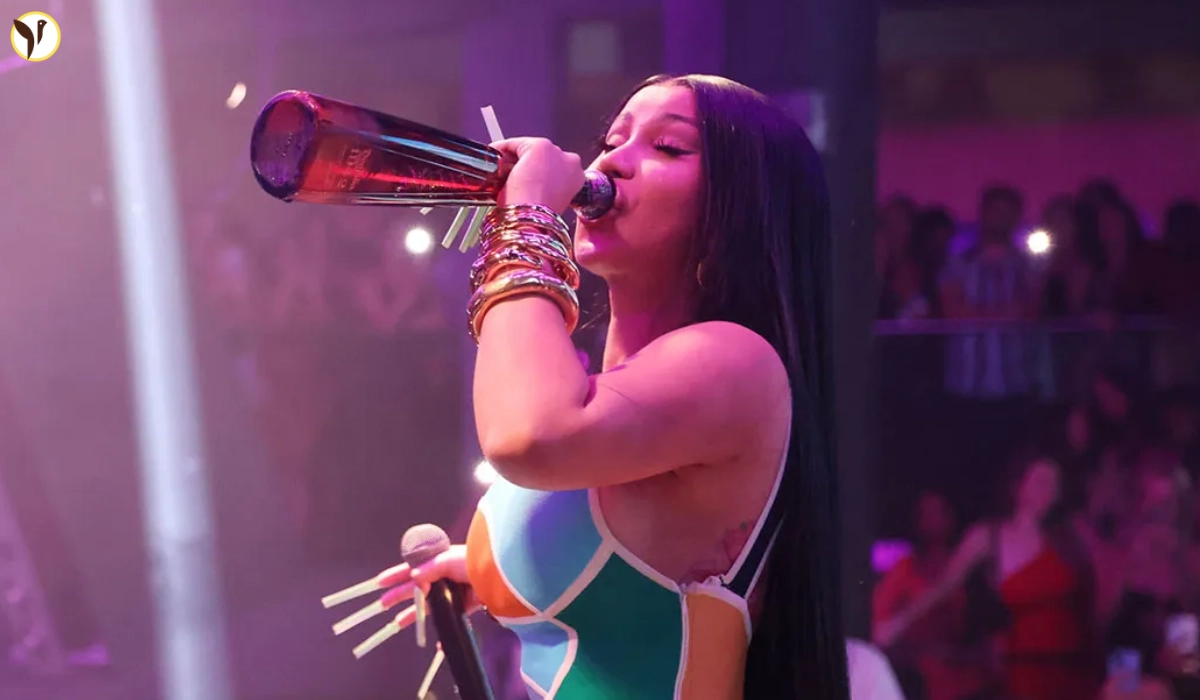
Online reactions intensified after Cardi B confirmed plans related to her upcoming live appearances, including dates connected to her Little Miss Drama tour. Some critics questioned whether it was too soon after childbirth to commit to demanding travel and stage schedules. Others framed the issue as a concern about recovery and balance.
Cardi B did not ignore the commentary. In a series of posts and public remarks, she pushed back, defending her personal choices and underscoring that motherhood does not erase professional identity. Her tone was direct, consistent with the candid persona that has defined her public career.
The key point in her response was autonomy. She emphasized that she understands her body, her family situation, and her work commitments better than strangers online. That framing resonated strongly with supporters who argue that the same scrutiny is rarely applied to male artists or fathers in the entertainment industry.
A career built on unapologetic visibility
To understand why this moment carries weight, it helps to look at Cardi B’s career trajectory. Since her breakout single Bodak Yellow topped charts in 2017, she has maintained a reputation for transparency about her personal life. Her debut album Invasion of Privacy won a Grammy Award and cemented her place in mainstream hip hop.
She has also navigated motherhood in the public eye before. Cardi B shares children with rapper Offset, and previous pregnancies were not hidden from fans. She has performed while pregnant and returned to work after giving birth in earlier phases of her career.
That history provides context. This is not the first time she has balanced family milestones with professional commitments. The difference now lies in the intensity of social media scrutiny and the scale of her global platform.
Touring after childbirth in the music industry
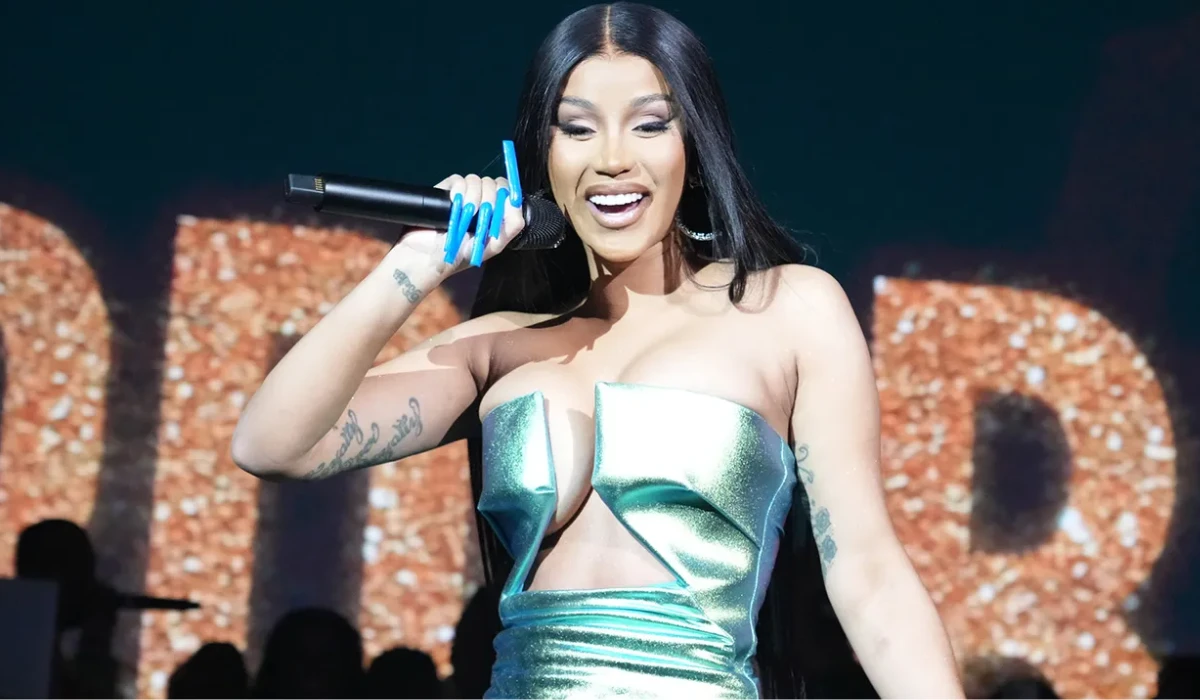
Returning to live performance soon after childbirth is not unprecedented in entertainment. Touring schedules are often locked in months, sometimes years, in advance. Canceling or postponing shows can carry significant financial and contractual implications, including venue bookings, staffing, insurance, and sponsorship deals.
For major artists, a tour is not just a string of concerts. It is a coordinated production involving hundreds of workers, from dancers and musicians to lighting technicians and security staff. Decisions about postponement affect more than the headliner.
That does not erase health considerations. Postpartum recovery varies widely from person to person. Medical professionals in the United States generally emphasize rest, gradual return to activity, and ongoing evaluation of physical and mental health. The specifics depend on delivery type, complications, and individual health history.
Cardi B has not publicly detailed her medical plan, and there is no evidence that she is ignoring professional advice. Her message instead centered on personal agency and rejecting assumptions.
Why this conversation resonates beyond celebrity news
For working mothers across the U.S., paid maternity leave policies remain inconsistent. According to federal law, eligible employees may take unpaid leave under the Family and Medical Leave Act, but paid leave depends on employer policy or state programs. Many women return to work sooner than they would prefer for financial reasons.
In that broader context, criticism aimed at a celebrity can feel disconnected from the realities many families face. Some supporters argue that if a woman chooses to return to work quickly and has access to childcare and support systems, the choice should be respected.
At the same time, others see public figures as influential role models and worry about unrealistic expectations. The tension reflects a wider societal debate rather than a single celebrity decision.
Public reaction and fan support
Online reactions have been divided but energetic. Many fans praised Cardi B for standing firm and refusing to apologize for pursuing her career. Supporters highlighted that she has consistently blended family life with high-profile work.
Critics, meanwhile, framed their comments around health concerns or perceived priorities. The tone of some posts crossed into personal territory, which in turn fueled Cardi B’s sharp rebuttal.
It is worth noting that celebrity discourse often amplifies extreme viewpoints. Social media platforms reward engagement, and controversy drives visibility. That dynamic can distort how representative certain opinions actually are.
Industry and cultural context
In recent years, high-profile artists such as Beyoncé and Rihanna have also navigated motherhood alongside major performances. Beyoncé famously headlined Coachella after becoming a mother, and Rihanna performed at the Super Bowl halftime show while pregnant.
Each case sparked conversation, but the outcomes varied. Some audiences celebrated the visibility of working mothers in entertainment. Others debated the physical demands of performance.
Cardi B’s situation fits within that pattern. The difference is her communication style. She often addresses critics directly rather than relying on polished statements from representatives. That approach reinforces her brand but can also intensify headlines.
Practical perspective for U.S. readers
For readers following this story, the key takeaway is not whether touring after childbirth is universally advisable. It is that recovery timelines differ and personal decisions are shaped by individual circumstances.
If you are considering returning to work after childbirth, medical guidance should come first. In the U.S., obstetricians typically schedule postpartum checkups around six weeks after delivery, though earlier follow-ups may occur. Open communication with healthcare providers is essential before resuming strenuous activity.
In the entertainment industry specifically, physical conditioning, rehearsal schedules, and medical support teams often play a role in determining readiness for performance.
Other Articles to Read:
- ‘Botched’ Lip King Jordan James Parke Dies at 34; London Arrests
- Robert Carradine Dies at 71 — Cause of Death & Family Statement Revealed
- Luci4 Cause of Death: What Happened to the 23-Year-Old BodyPartz Rapper?
- All of Us Are Dead S2 Shooting Ends: When and What to Expect on Netflix
- India’s World Cup Streak Ends: Why South Africa Outplayed Them
- Shah Rukh Khan’s Next Film After King? Vishal Bhardwaj Drops Big Hint
Final Thoughts
Cardi B’s career has been marked by resilience and an ability to convert controversy into conversation. Whether the debate around her postpartum performances fades quickly or lingers will likely depend on how upcoming shows unfold and how she continues to engage with fans.
For now, the episode highlights a familiar dynamic in modern celebrity culture. Public figures are expected to share personal milestones, yet their choices are dissected in real time. Cardi B’s response signals that she is unwilling to let that scrutiny dictate her timeline.
As live events ramp up and the music industry leans heavily on touring revenue, artists will continue to navigate personal and professional decisions under public watch. In that sense, this moment is not just about one performer. It reflects the evolving expectations placed on women who refuse to choose between family and ambition.