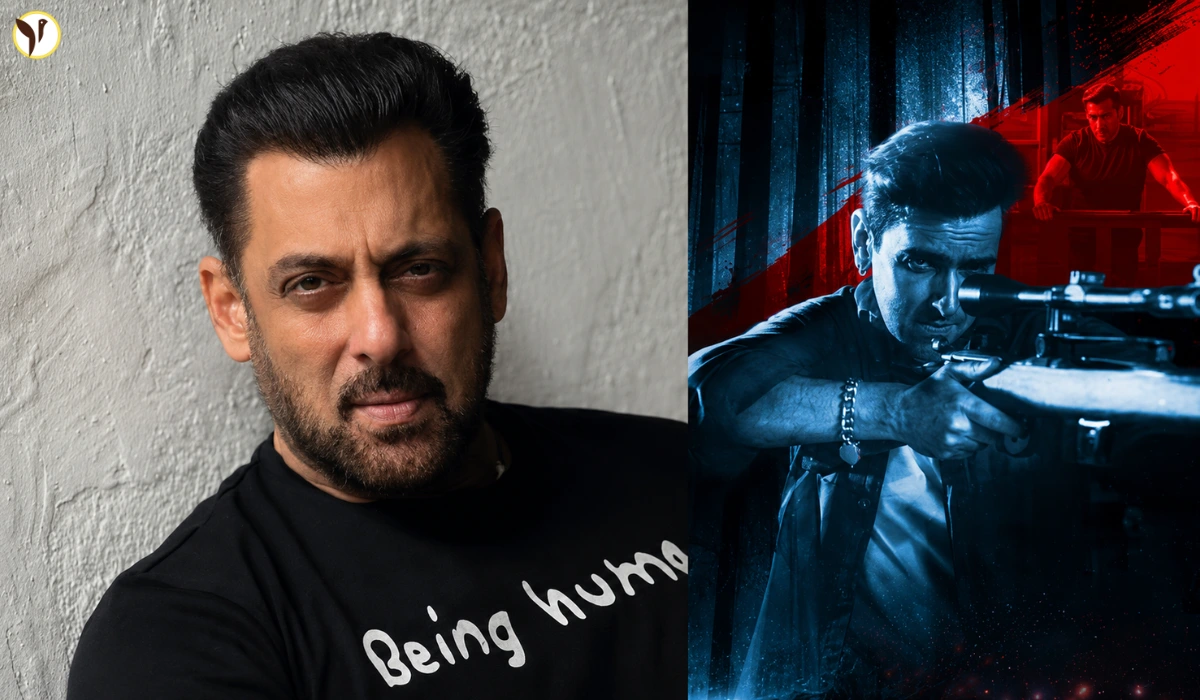


The intersection of Bollywood and the Indian judiciary has once again resulted in a landmark ruling. Recently, the Delhi HC Orders Takedown — Film Teaser on Salman's Black Buck Case, bringing an abrupt halt to the unauthorized dramatization of a decades-old legal saga. For a public that consumes true crime with insatiable appetite, the court’s intervention forces a necessary pause, raising critical questions about artistic liberty, defamation, and the right to privacy.
This is not merely a story about a celebrity protecting his image. It is a nuanced legal friction point between India's booming unauthorized biopic economy and an individual's right not to be tried by the media or cinema after the actual courts have delivered a verdict. Here is a deep dive into what transpired, the legal mechanics behind the takedown, and the ripple effects it will have on the Indian entertainment industry.
The Core Event: What Exactly Did the Delhi High Court Do?
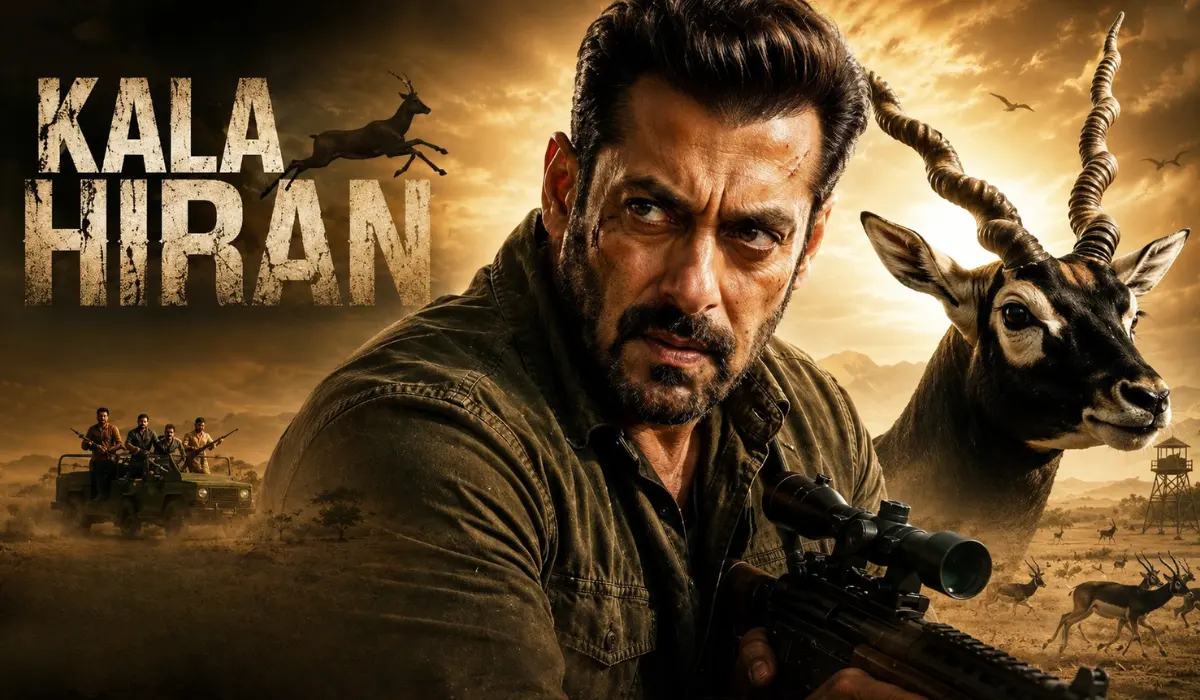
The Delhi High Court granted an interim injunction directing major digital platforms—including YouTube, X (formerly Twitter), and Facebook—to immediately remove a specific film teaser. The teaser in question purported to depict the 1998 Black Buck poaching incident in Jodhpur, explicitly using Salman Khan’s name, likeness, and contextual details of the case to draw viewership.
The plaintiff’s legal team argued that the teaser was a calculated attempt to monetize a closed legal chapter through sensationalism, misrepresentation, and defamation. The court concurred, noting that the prima facie material suggested the content was defamatory and violated the actor's right to privacy and publicity.
Unlike standard copyright strikes, this was a John Doe order (or Ashok Kumar order) combined with a specific injunction. It meant the court recognized the futility of going after a single, potentially anonymous uploader and instead placed the legal onus directly on the internet intermediaries to scrub the content from their ecosystems.
Why This Matters: Beyond the Celebrity Gaze
To dismiss this as a star leveraging power to silence the press would be a misreading of the judicial intent. The Delhi HC’s order addresses a growing, toxic trend in the Indian digital space: the "trailer-bait" economy.
Independent filmmakers and YouTube aggregators frequently release teasers of unauthorized biopics on high-profile cases (such as the Nirbhaya case, the SSR case, or celebrity scandals) without completing the films. The goal is rarely artistic storytelling; it is often to generate millions of views through algorithmic clickbait, thereby securing ad revenue or leveraging the traction to sell the project to OTT platforms.
The court’s takedown order signals a judicial pushback against this practice. It establishes that an individual—regardless of their celebrity status—holds a right to prevent their life events from being weaponized for unverified, sensationalist profit, especially when the judicial system has already adjudicated those events.
The Black Buck Case Timeline
To understand the court's protective stance, one must understand the exhaustive legal battle Salman Khan has endured regarding this specific case. The teaser attempts to dramatize a period that has already subjected the actor to immense legal and personal scrutiny.
Below is a comprehensive timeline synthesizing the actual legal proceedings versus the recent cinematic controversy:
|
|
|
|
|
|
|
|
|
|
|
|
|
|
|
|
|
|
|
|
|
|
|
|
|
|
|
|
|
|
|
|
The Legal Mechanics: Defamation, Privacy, and the 'Right to be Forgotten'
The legal architecture supporting the Delhi HC’s decision rests on three primary pillars, which provide a masterclass in Indian media law:
Post-Acquittal Defamation
Under Indian law, once a person is acquitted by a superior court (in this case, the Rajasthan HC), their legal standing reverts to that of an innocent person. Releasing a teaser that implies culpability, mocks the legal process, or presents the acquitted individual as a convicted criminal constitutes defamation per se. The law does not allow private entities (filmmakers) to reverse the verdict of a constitutional court through cinematic narrative.
Violation of Personality Rights
India is gradually recognizing the "Right of Publicity." Even public figures hold a proprietary right over their name, voice, and likeness. Using a recognizable surrogate (an actor mimicking Salman Khan) alongside explicit references to the Black Buck case is an unauthorized commercial appropriation of his personality.
The Evolving 'Right to be Forgotten'
While the Right to be Forgotten is still nascent in India (primarily discussed in the context of the IT Rules, 2021), the spirit of the doctrine was palpable in the HC's reasoning. If the highest courts have cleared an individual, forcing them to continuously relive the trauma of a baseless accusation through unauthorized media violates their fundamental right to live with dignity (Article 21).
The "True Crime" Economy in India: A House of Cards?
The Delhi HC order should serve as a severe warning to the burgeoning, unregulated true-crime industry in India. Over the last five years, the line between investigative journalism and sensationalized docu-fiction has blurred to a dangerous degree.
Several production houses operate on a "shoot first, ask permissions later" model. They bank on the fact that legal battles take years, and by the time an injunction is granted, the teaser has already garnered millions of views and the producers have made their money.
However, by holding the platforms (YouTube, Meta, etc.) jointly liable and ordering proactive takedowns, the Delhi HC has dismantled this business model. Platforms are now legally exposed if they allow such unauthorized content to proliferate. This will inevitably lead to stricter algorithmic policing of unauthorized biopics, requiring creators to furnish proper clearances, legal disclaimers, and no-objection certificates before monetizing real-life tragedies or legal cases.
Salman की ‘Kala Hiran’ पर court ने क्या बोला? || Film रुकवाने High Court पहुंचे Bhai
— Amit Bhatia (@amitbhatia1509) July 27, 2026
Salman Khan ने Kala Hiran: The Battle for Legacy के खिलाफ Delhi High Court में plea दाखिल की है, लेकिन court ने फिलहाल interim relief नहीं दिया और makers से जवाब मांगा है.
Salman Khan Kala… pic.twitter.com/0FSdgi5p8M
What Happens Next: Forward-Looking Insights
The immediate aftermath of the takedown order sets the stage for several long-term industry shifts:
- The Death of the "Fake Teaser": We will likely see a sharp decline in independent, unauthorized teasers targeting A-list celebrities. The legal risk-to-reward ratio has been fundamentally altered.
- Rise of Legally Sanitized Biopics: Producers will now have to invest heavily in legal counsel before pre-production. We will see more films relying heavily on public domain court documents, balanced perspectives, and explicit disclaimers stating the work is "fictionalized" rather than "based on true events."
- Potential Supreme Court Benchmark: If the filmmakers behind the teaser decide to appeal the Delhi HC order to the Supreme Court, it could result in a landmark judgment that definitively codifies the boundaries of artistic expression versus personality rights in the digital age.
- Platform Policy Updates: Expect YouTube and other digital giants to update their community guidelines specifically regarding "Unauthorized Biopics and Defamatory Dramatizations" in the Indian jurisdiction, streamlining the takedown process for public figures.
Expert Legal Perspective
To understand the gravity of this order, consider the standard of interim injunctions in India. Courts rarely grant pre-publication injunctions (staying content before a full trial) due to the constitutional protection of free speech under Article 19(1)(a).
For the Delhi HC to grant this takedown, the plaintiff's legal team had to successfully demonstrate a "prima facie" case of irreparable harm. In layman's terms, they had to prove that allowing the teaser to remain online would cause damage to Salman Khan's reputation that could not be fixed later by simply paying damages. The court agreed, recognizing that in the digital age, a lie travels halfway around the world before the truth has a chance to get its boots on.
Conclusion
The directive where the Delhi HC Orders Takedown — Film Teaser on Salman's Black Buck Case is a watershed moment in Indian entertainment law. It draws a hard, unequivocal line in the sand: an individual's closed legal history is not a free-for-all sandbox for digital creators looking to make a quick buck.
While cinema has every right to critique, question, and analyze the justice system, it cannot be allowed to hijack an individual's life, distort adjudicated facts, and serve as a parallel court of public humiliation. For the viewer, this ruling is a reminder to consume digital content critically, recognizing the difference between verified journalism and opportunistic fiction.
Other Articles to Read: