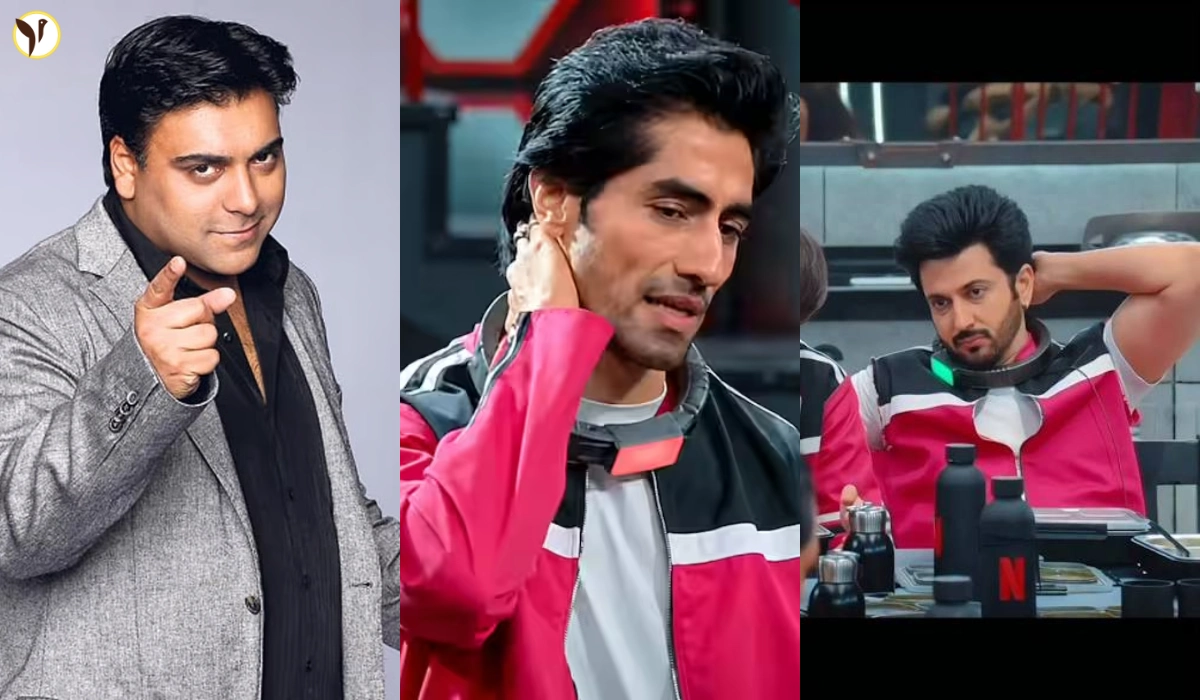


Recently, digital corridors have been ablaze with a highly specific and sensational search query: Harshad Chopda calls out Ram Kapoor Dheeraj Dhoopar insecurity. For anyone even vaguely familiar with the measured, intensely private persona of Harshad Chopda—widely regarded as one of Indian television’s most nuanced actors—the headline feels like an anomaly. Chopda does not do PR wars. He does not engage in industry call-outs.
Yet, the phrase continues to trend, pulling in thousands of clicks. As journalists, when a headline dominates search engines without a verifiable primary source, the story ceases to be about what was said, and becomes about why the public wants to believe it was said.
Here is a definitive, deeply analyzed breakdown of this viral narrative, the factual reality behind it, and what this manufactured controversy reveals about the shifting sociology of the Indian television industry.
The Factual Baseline: Debunking the "Call-Out"
After exhaustive review of recent press circuits, promotional interviews for Bade Achhe Lagte Hain 2 and Yeh Rishta Kya Kehlata Hai, and social media activity, there is no verified audio, video, or print interview where Harshad Chopda names Ram Kapoor or Dheeraj Dhoopar in a derogatory manner, nor does he accuse them of insecurity.
So, where did this originate? The phrase appears to be an amalgamation of two distinct, unrelated television discourse streams that were mashed together by aggregator sites to exploit high-search-volume keywords.
- The Ram Kapoor Connection: When Chopda took on the lead role of Bade Achhe Lagte Hain 2, inevitable comparisons arose to Ram Kapoor, who immortalized the male lead in the 2011 original. Chopda addressed these comparisons by stating he was not trying to imitate Kapoor, but rather bringing his own interpretation to a rewritten character.
- The Dheeraj Dhoopar/TRP Connection: During the same period, intense debates raged across social media and trade portals regarding "TRP validation." Dheeraj Dhoopar, during his tenure on Kundali Bhagya, was frequently cited by fans as the quintessential "TRP darling"—an actor whose screen presence guaranteed ratings. Conversely, Chopda’s fans often argued that he was a "critic's darling" who delivered prestige television but was unfairly overlooked by the archaic BARC TRP system.
Somewhere in the echo chamber of YouTube recap channels and gossip portals, these two threads were woven into a fabricated narrative: Chopda called out the older guard (Kapoor) and the TRP favorites (Dhoopar) out of their mutual insecurity regarding his acting prowess. It is a compelling piece of fiction, but fiction nonetheless.
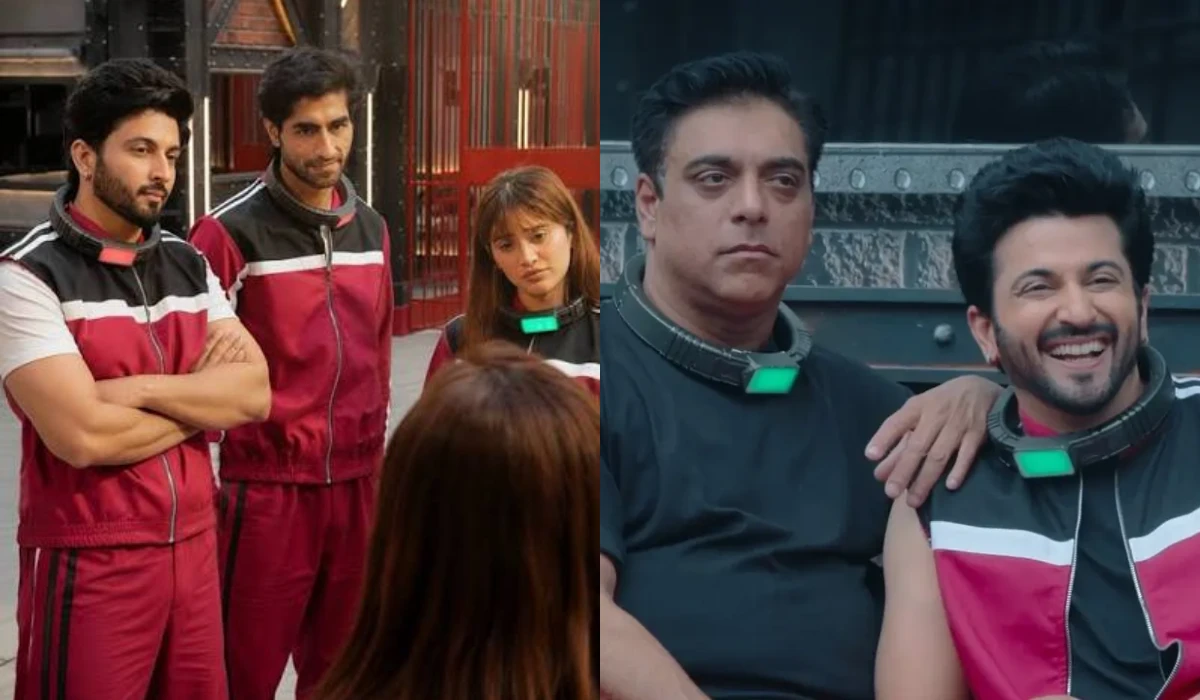
Why This Narrative Resonated
If the quote is fake, why did it gain such massive traction? Because it touches a very real nerve in the TV industry. To understand this, we must look at the distinct eras these three actors represent.
|
|
|
|
|
|
|
|
|
|
|
|
|
|
|
|
|
|
|
|
|
|
|
|
The "insecurity" narrative gained traction because Chopda’s rise represents a threat to the traditional metric of success. If an actor can command massive brand deals, global trending topics, and critical acclaim without topping the weekly TRP charts, it challenges the foundational business model that has kept actors like Dhoopar at the top of the food chain, and forces legacy actors like Kapoor to defend the era they built.
The Real Issue: The TRP vs. Digital Validation War
When search queries like "Harshad Chopda calls out Ram Kapoor Dheeraj Dhoopar insecurity" trend, it is symptomatic of a larger, unspoken anxiety within the Indian television ecosystem. The industry is currently undergoing a violent tectonic shift.
The Death of the Monolithic Audience
For two decades, a show's success was defined entirely by the BARC (Broadcast Audience Research Council) ratings. These ratings heavily skewed towards rural and semi-urban viewership. Actors tailored their performances—exaggerated expressions, dramatic pauses, repetitive dialogue delivery—to cater to this specific demographic. Dheeraj Dhoopar was a master of this format.
However, the pandemic accelerated a shift to digital consumption. Urban, educated viewers began live-tweeting shows, creating massive social media trends. Harshad Chopda’s portrayal of Dr. Abhimanyu Birla in Yeh Rishta Kya Kehlata Hai became a case study in this. The show frequently ranked outside the Top 10 in TRPs, yet Chopda’s character generated more digital engagement than the top three TRP shows combined.
The Mechanism of Projection
This creates a bizarre psychological dynamic within fandoms. When digital fans see their favorite actor (Chopda) snubbed by traditional TRP metrics, they project a narrative of "insecurity" onto the actors who do succeed in those metrics (Dheeraj Dhoopar).
It is a defense mechanism. Rather than accepting that TRPs measure a different demographic preference, fans create a story where the "establishment" (represented by Dhoopar or the legacy of Kapoor) is threatened by the "new wave" (Chopda). The viral headline is not a reflection of Chopda’s words; it is a reflection of his fandom's frustration with the industry's grading system.
Harshad Chopda: The Reluctant Standard-Bearer
To fully understand why the "call-out" narrative is fundamentally incompatible with Harshad Chopda’s professional identity, one must look at his historical approach to controversy.
Chopda has been in the industry for over 15 years, starting with Left Right Left in 2006. He has seen trends come and go. In rare interviews, his stance on industry politics is consistently stoic: he believes the work should speak for itself.
During the run of Bade Achhe Lagte Hain 2, when the show underwent massive narrative changes that ultimately led to his exit, the trade press expected a fiery tell-all. Instead, Chopda remained silent, eventually posting a graceful farewell note thanking the crew.
If an actor who refuses to speak ill of a production house that fundamentally altered his show's trajectory is unlikely to randomly target two colleagues who operate in entirely different lanes. The man celebrated for bringing quiet intensity to the screen applies that same quiet intensity to his off-screen life.
oh god, what did i just witness? THIS is the #harshadchopda we were rooting for. fearless, unapologetic, emotional, and absolutely on fire. this comeback was insane.#lockupp2 pic.twitter.com/oDUaxefHKz
— 🧃 (@GrtViola) July 26, 2026
Ram Kapoor and Dheeraj Dhoopar: Contextualizing the "Targets"
It is also essential to contextualize the two actors who were unfairly dragged into this narrative.
Ram Kapoor's Legacy
Ram Kapoor does not need to be insecure about Harshad Chopda or anyone else. Kapoor achieved a level of cross-medium dominance in the 2010s that few television actors ever reach. He led a flagship show (BALH), transitioned seamlessly into Bollywood hits like Udaan and Student of the Year, and became a ubiquitous face in the advertising world. Comparing Chopda to Kapoor was a lazy journalistic trope; Chopda playing a younger version of a character Kapoor originated does not constitute a rivalry. It is simply an adaptation.
Dheeraj Dhoopar's Transition
Dheeraj Dhoopar’s decision to leave Kundali Bhagya at the peak of his TRP dominance to participate in Jhalak Dikhhla Jaa and explore other mediums indicates an actor looking to evolve, not one cowering in insecurity. Dhoopar recognized the exact same shift that Chopda’s fans talk about: pure TRP longevity is no longer the only path to relevance. Pitting Dhoopar and Chopda against each other is a false dichotomy. They are playing entirely different games.
What Happens Next: The Future of TV Masculinity
The fact that a fabricated quote about actor insecurity can generate massive search volume tells us exactly where the Indian television audience's head is at. Viewers are bored of the traditional metrics and the traditional heroes.
1. The Rise of the "Flawed" Lead: Moving forward, we will see a continued push toward characters who are not paragons of virtue. The commercial success of characters like Chopda's Abhimanyu, or Parth Samthaan's Manik in Kaisi Yeh Yaariaan, proves that the audience is ready for male leads who cry, fail, and go to therapy.
2. The Diversification of Success Metrics: Production houses will soon be forced to stop using TRPs as a blunt instrument. Advertisers are beginning to look at social media engagement rates, YouTube vlog views, and cross-platform recall. When an actor's social media reach outpaces the channel's own reach, the power dynamic shifts.
3. The End of Manufactured Rivalries: As the audience becomes more media-literate, the efficacy of fake "call-out" headlines will diminish. Aggregator portals will need to pivot from fabricating drama to actually analyzing the sociological shifts in viewing habits—which is precisely the kind of content that survives Google’s Helpful Content updates.
Conclusion
The narrative that Harshad Chopda calls out Ram Kapoor Dheeraj Dhoopar insecurity is a masterclass in how digital echo chambers manufacture consent. It takes a grain of truth (the contrasting styles of three different actors), wraps it in a sensationalized lie (a direct call-out), and feeds it to an audience hungry for industry drama.
The reality is far more mundane, yet far more interesting. There is no bad blood here—only an industry caught in a painful transition between the analog era of TRP dominance and the digital era of critical validation. Harshad Chopda, Ram Kapoor, and Dheeraj Dhoopar are not enemies in some petty rivalry; they are three men navigating the same turbulent waters from completely different vessels.
Other Articles to Read: