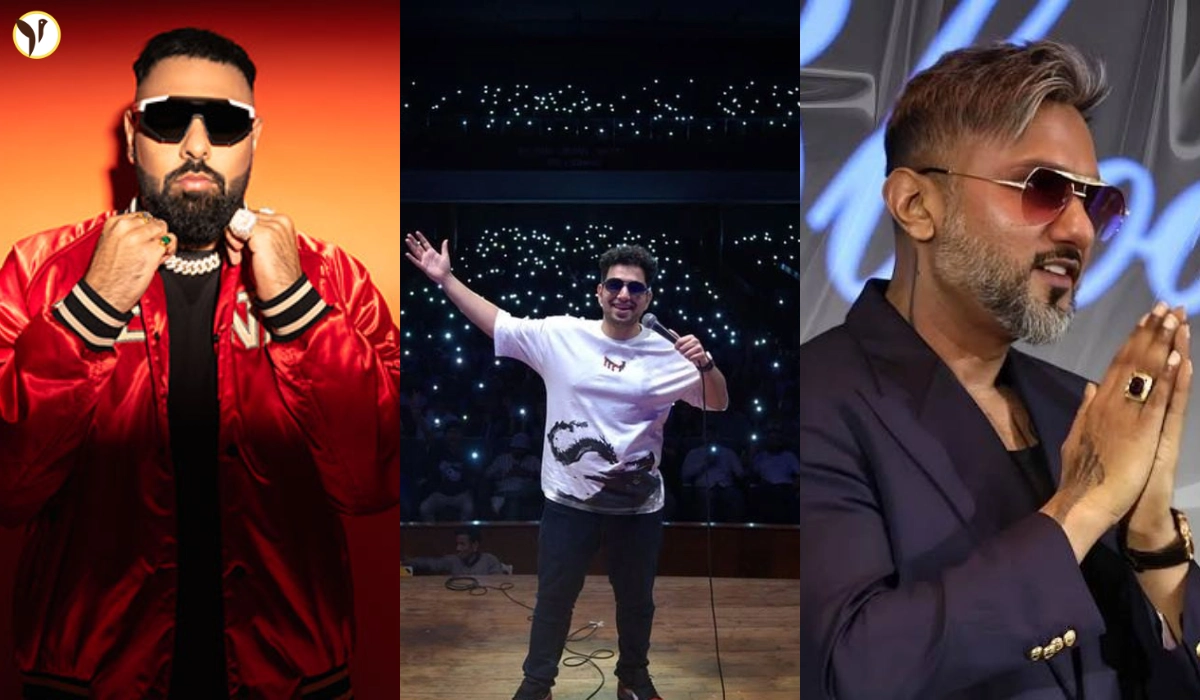



When internet drama spills into the physical world, the consequences are rarely funny. For months, the digital sphere buzzed with snippets, clipped videos, and heated opinions surrounding the Latent festival—an ambitious offline event aimed at bridging the gap between digital creators and their audiences. But beneath the surface of memes and trending hashtags lay a far more disturbing reality. Recently, creator Apoorva Mukhija made a startling admission: Sufi Motiwala saved her life in the aftermath of the Latent row.
This isn't just another chapter in the endless cycle of internet gossip. It is a grim case study of what happens when the creator economy outpaces its own infrastructure, transforming a celebratory meetup into a scenario requiring physical and psychological rescue. To understand the gravity of Mukhija’s statement, we must dissect the events at Latent, examine the volatile nature of crowd dynamics at influencer events, and look at why Sufi Motiwala’s intervention became a necessary anchor.
The Anatomy of the Latent Incident: What Actually Transpired?
Organized by Offline Media, Latent was pitched as India’s premier creator entertainment festival. The premise was simple but logistically massive: bring the country's most followed digital faces into a single, physical venue where fans could interact with them.
However, the execution fell catastrophically short of the vision. Attendees and creators alike reported severe mismanagement. The venue was reportedly understaffed, security was lax, and the crowd-to-space ratio quickly breached safe limits. For Apoorva Mukhija—a creator known for her unfiltered, bold persona—the environment shifted from overwhelming to dangerous.
While initial internet chatter focused on alleged verbal spats and awkward interactions captured on mobile phones, the reality on the ground was one of a crowd crush. When a sea of unmanaged fans surged forward, the barrier between the "internet celebrity" and the "real human" vanished. In that melee, the focus shifted from content creation to basic survival.
Understanding the IRL Creator Event Landscape
To contextualize why Latent failed, we must look at how these events typically operate compared to traditional entertainment.
|
|
|
|
|
|
|
|
|
|
|
|
|
|
|
|
|
|
|
|
"He Saved My Life": Decoding Apoorva Mukhija’s Revelation
In the weeks following the event, the narrative was dominated by trivial internet drama. It wasn't until much later that Mukhija addressed the severe distress she experienced. Stating that Sufi Motiwala "saved her life" is a heavy phrase, particularly in the context of a pop-culture event.
Based on accounts from the event and the visible distress in circulating footage, this assertion likely points to two intersecting crises: a physical crowd crush and an acute psychological breakdown.
When the crowd surged, the immediate physical danger was palpable. However, the secondary danger—the psychological toll of suddenly facing an aggressive, unmanaged mob without adequate security—is where the true danger lay for Mukhija. Sufi Motiwala, a fellow creator who possesses a grounded, assertive presence, stepped in not as a content collaborator, but as a physical and emotional shield. He orchestrated a path through the chaos, prioritizing human safety over the cameras flashing around them.
This revelation forces the audience to pivot their perspective. The question is no longer "What did Apoorva say to whom?" but rather, "How did we allow an environment to become so toxic that a young woman feared for her life?"
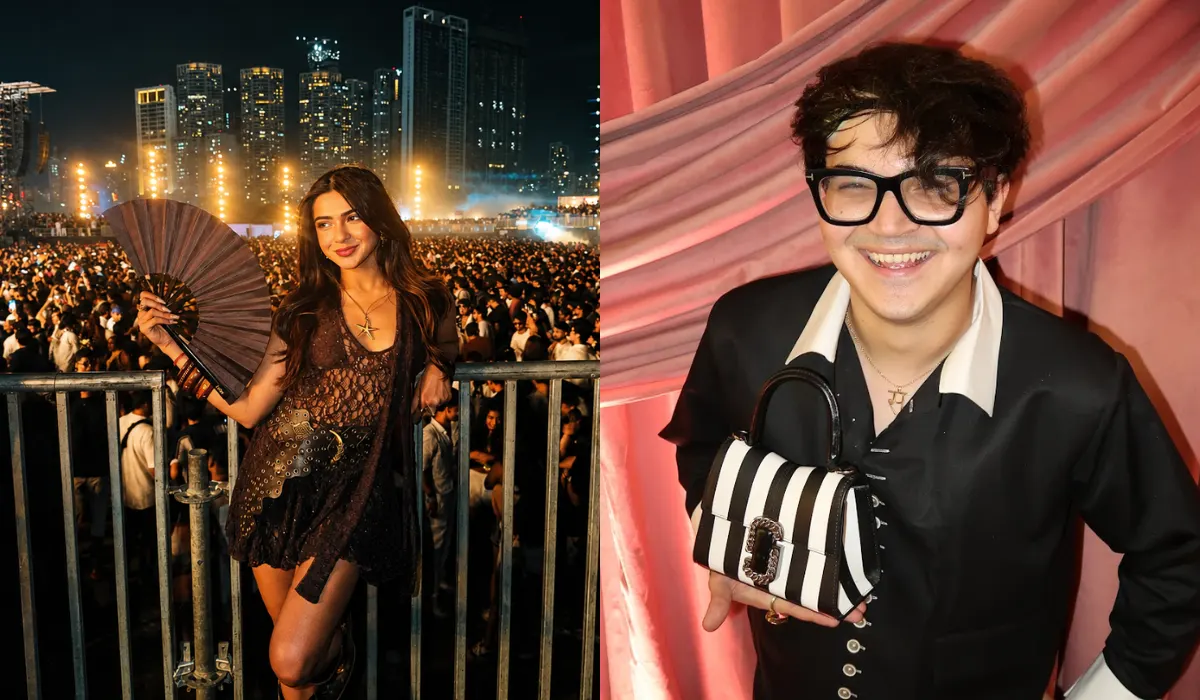
The Viral Mob Mentality: When Fandom Turns Toxic
The Latent row did not end when the venue lights turned off. In many ways, the digital aftermath was more brutal than the physical event. Within hours, fragmented clips were stripped of context and weaponized.
Mukhija, already physically and emotionally drained from the event, was subjected to a relentless digital mob. This is a well-documented phenomenon in the creator economy:
- The Out-of-Context Clip: A 10-second video is isolated from a 10-hour event.
- The Echo Chamber: Opportunistic commentary channels amplify the clip, framing it to maximize outrage.
- The Dogpile: Millions of users, detached from the reality of the physical situation, project their own biases onto the creator.
- The Real-World Impact: The subject experiences real-world trauma, doxxing, and severe mental health deterioration.
For Apoorva, the transition from a physically dangerous crowd to a digitally dangerous mob was seamless. In this environment, having someone like Sufi Motiwala—who understood both the reality of the physical event and the absurdity of the digital reaction—was likely the only thing keeping her tethered to reality.
Sufi Motiwala’s Role: The Necessity of Creator Solidarity
In an industry frequently criticized for its performative friendships and behind-the-scenes rivalries, Motiwala’s actions stand out. He did not issue a public relations statement or vague-tweet his support. According to Mukhija's account, his intervention was immediate, physical, and deeply personal.
Why does this matter? Because the creator economy is fundamentally isolating. Influencers operate as solo entrepreneurs. When a crisis hits, they rarely have the backing of a massive studio, a public relations team, or a union to shield them. They rely on their peers. Motiwala’s actions highlight a growing need for genuine peer-support networks within the digital space—individuals willing to step in when the brand deals and the camera lenses fade.
Sufi Motiwala ‘saved my life’ after India’s Got Latent row, says Apoorva Mukhija on #LockUpp2#entertainment https://t.co/gw44OqoGKN
— News9 (@News9Tweets) July 25, 2026
The Bigger Picture: An Industry Lacking Guardrails
The Apoorva Mukhija and Sufi Motiwala Latent row incident is a microcosm of a macro problem. India’s creator economy is growing at a staggering rate, projected to be worth billions. Yet, the infrastructure supporting these creators—both in terms of event management and mental health resources—remains in the Stone Age.
What Needs to Change?
If the industry is to mature, the following guardrails must be implemented by organizing bodies like Offline Media and others:
- Mandatory Event Certification: No entity should be allowed to host an event with anticipated crowd sizes over a few hundred without certified crowd-management personnel and approved safety layouts.
- Creator Protocols: Creators must be afforded the same basic rider protections as traditional celebrities—including guaranteed safe distances from the crowd and the right to withdraw from an unsafe environment without breach-of-contract penalties.
- De-escalation Training: Event staff must be trained specifically in internet-culture dynamics. A fan trying to "go viral" is far more aggressive than a traditional fan. Security needs to understand this psychology.
- Platform Accountability: Social media platforms must develop faster, more robust mechanisms to throttle the spread of non-consensual, out-of-context footage that leads to coordinated harassment campaigns.
What Happens Next?
For Apoorva Mukhija, the path forward involves navigating the lingering trauma of the event while continuing her digital career. Her decision to speak openly about Motiwala saving her life shifts the narrative from one of internet scandal to one of survival and resilience. It is a courageous step that strips the power away from the trolls and re-centers the conversation on human safety.
For Sufi Motiwala, his actions will likely cement his reputation not just as an entertainer, but as a grounded, reliable figure within a chaotic industry.
For the industry at large, the Latent festival should serve as a stark warning. The era of throwing digital creators into poorly managed physical spaces and hoping for the best is over. The physical and psychological safety of these individuals is no longer a secondary concern—it is the primary prerequisite for the creator economy to sustain its growth.
Other Articles to Read: