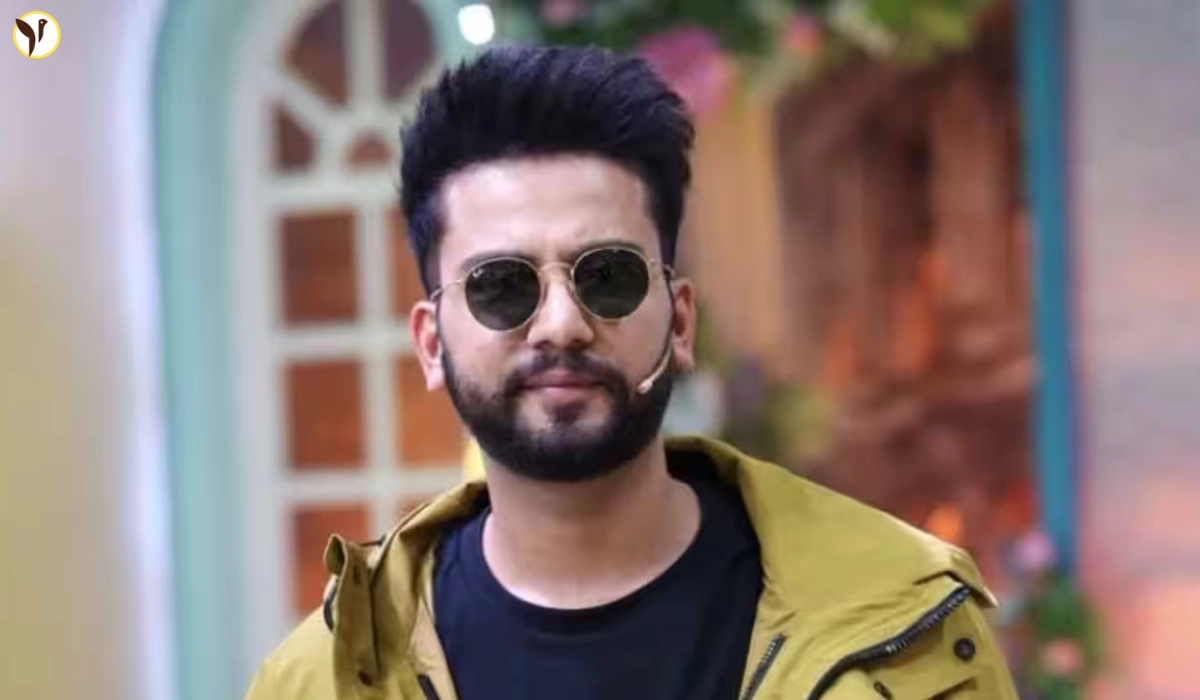


The intersection of digital creator economies and traditional entertainment formats has always been fraught with friction. The latest casualty of this structural clash is the highly anticipated collaboration between Bigg Boss OTT 2 winner Elvish Yadav and the upcoming pan-India digital venture, CJP.
According to production documents and industry insiders, Elvish Yadav can't join CJP. The reason is not creative differences or contractual disputes, but a deeply entrenched shooting schedule conflict. For a digital star who built his empire on daily, unstructured vlogs, the rigid, block-scheduling demands of a traditional studio setup have proven to be an immovable object.
Here is an exclusive, in-depth analysis of why this deal fell through, the hidden economics of creator schedules, and what happens next for both parties.
The Anatomy of the Conflict: What Actually Happened?
The narrative surrounding influencer-to-actor transitions often focuses on performance anxiety or pay scales. In the case of Elvish Yadav and CJP, the bottleneck was purely logistical.
CJP operates on a traditional "studio system" calendar. This requires actors to block out 15 to 20 consecutive days per month for months at a time, operating out of fixed locations (often Mumbai, Hyderabad, or specific international locales).
Yadav’s operational model is fundamentally different. His revenue streams—YouTube AdSense, direct brand integrations on his vlog channel, and live appearances—require a decentralized, high-frequency content output. He cannot afford to vanish from his primary platform for three weeks without taking a severe hit to the YouTube algorithm, which heavily penalizes channels that break their upload consistency.
The Scheduling Grid: CJP vs. Elvish Yadav
To understand the exact nature of the conflict, we mapped out the standard production requirements of a project like CJP against Yadav’s documented digital workflow.
|
|
|
|
|
|
|
|
|
|
|
|
|
|
|
|
|
|
|
|
|
|
|
|
|
|
|
|
|
|
Why This Matters: The "Creator Paradox" in Mainstream Media
When a digital star of Yadav’s caliber—boasting over 15 million subscribers and immense cultural cachet among Gen-Z and millennials—passes on a mainstream project, it signals a broader industry shift. It highlights what we call the "Creator Paradox."
Traditionally, a television or film actor views a major project as the ultimate career milestone. For a top-tier YouTuber, a traditional acting gig is often a lateral move, and sometimes a financial downgrade, unless perfectly structured.
The Algorithmic Penalty
YouTube’s recommendation engine favors consistency. If Elvish Yadav were to halt his daily vlogs for a 20-day CJP shoot, his channel's impressions could drop by 30% to 40% during that period. Rebuilding that algorithmic momentum takes weeks. For a creator whose brand value is directly tied to monthly view counts, this is an unacceptable business risk.
The Brand Integration Bottleneck
Yadav’s vlogs are a rolling billboard for his direct-to-consumer brand partnerships (such as his eyewear and streetwear lines). A traditional production set bans the display of unapproved brands. By stepping into the CJP bubble, Yadav wouldn't just be losing his YouTube revenue; he would be pausing his organic marketing funnel.
Therefore, the shooting schedule conflict isn't just about having "busy days." It is a structural incompatibility between how traditional media generates value and how the modern creator economy sustains itself.

Inside the CJP Strategy: Why They Wanted Elvish
Understanding CJP’s perspective is equally crucial. The project, which aims to bridge regional entertainment with a pan-India digital audience, specifically targeted Yadav not for his acting chops, but for his "street credibility."
In focus group testing, CJP’s producers found that their target demographic trusted Yadav’s organic endorsement more than traditional celebrity PR. Securing him was meant to be a marketing coup—a way to bypass conventional promotional spend by having Yadav naturally integrate the project into his daily vlogs.
When his team presented the unavoidable scheduling conflict, CJP’s producers were left with a difficult choice: alter their multi-crore production schedule to accommodate a single cast member, or proceed with a recast. In traditional media economics, the schedule always wins.
What Happens Next: The Forward-Looking Insight
The dissolution of this deal is not a bridge burned, but a negotiation posture set for the future. Here is what we can expect in the coming months:
1. The "Cameo" Compromise Industry insiders suggest CJP has already pitched a revised role to Yadav’s management—a highly specialized cameo requiring only 3 to 4 days of shooting on a standalone, isolated set. This would allow Yadav to fulfill his algorithmic duties while giving CJP the marketing pull they desire.
2. The Evolution of "Creator-Friendly" Contracts This exact scheduling conflict is happening across the industry, from Ranveer Allahbadia’s podcast ventures to CarryMinati’s gaming shows. Production houses will soon be forced to create "Creator Clauses" in contracts. These clauses would mandate dedicated "vlog days" on set, allowing creators to film BTS content without violating NDAs, effectively turning the traditional set into a content farm for the star's personal brand.
3. Yadav’s Focus on Owned Intellectual Property With traditional schedules proving too rigid, expect Yadav to double down on his own production ventures. By funding his own digital series or formats, he controls the schedule, the algorithm, and the brand integrations. The financial upside of owning the IP vastly outweighs the fixed-fee model of a CJP-style project.
Previously, Elvish also took to his X account and condemned violence during protests in New Delhi.#ElvishYadav #X
— News18 (@CNNnews18) July 25, 2026
https://t.co/ruH0bnitPq
The Bigger Picture: A Logistical Reality Check
The headline "Elvish Yadav Can't Join CJP" might initially read like standard entertainment gossip. But beneath the surface lies a fundamental recalibration of power in the Indian entertainment industry.
A decade ago, a digital creator would have cleared their entire calendar for a whiff of a mainstream project. Today, creators like Yadav possess audience pipelines that traditional studios struggle to build. When a creator’s schedule conflicts with a studio’s schedule, it is the studio that must adapt, not the other way around.
The CJP project will move forward, likely casting a traditional actor who fits their rigid grid. However, the logistical friction exposed by this exclusive development will serve as a case study for production houses across the country. The creator economy is no longer a minor league feeding talent into the majors; it is a parallel industry with its own immutable laws of physics.
Other Articles to Read: