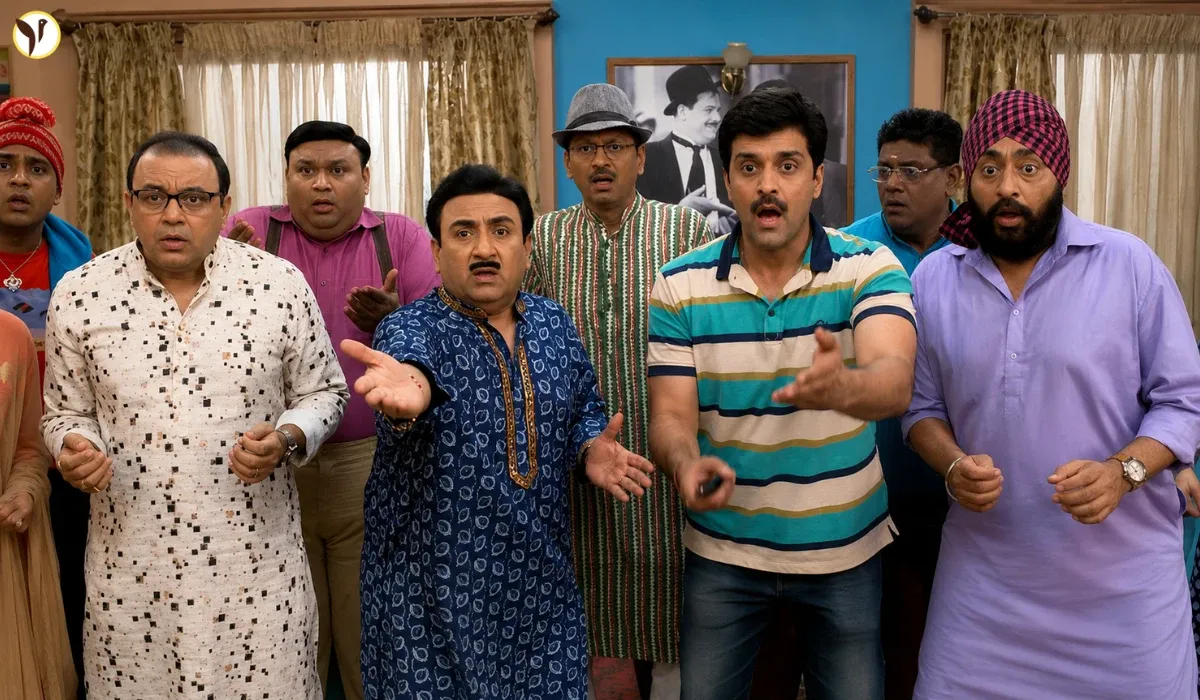
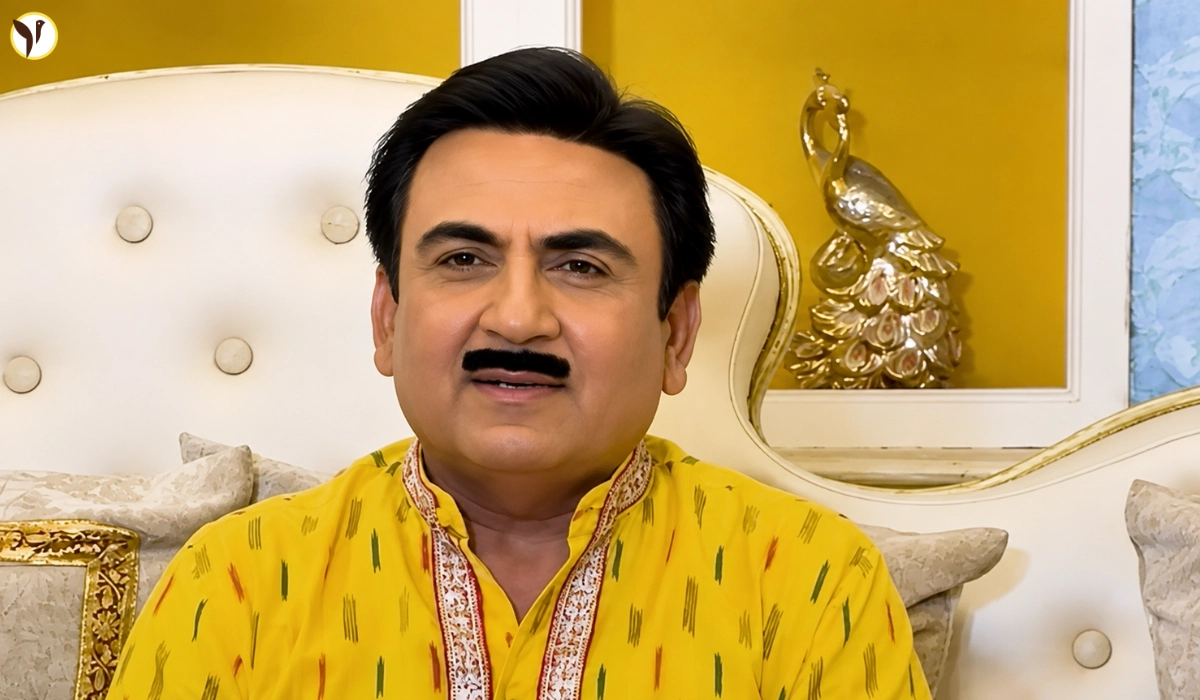


For a show that has been a static fixture in Indian living rooms for over 16 years, Taarak Mehta Ka Ooltah Chashmah (TMKOC) generates a disproportionate amount of off-screen chaos. The latest storm centers on the show’s undisputed linchpin, Dilip Joshi, who plays the endearing yet perpetually troubled Jethalal Champaklal Gada.
Recently, a swirl of social media posts and localized digital tabloids suggested that Joshi was stepping down from the role. The rumors gained enough traction that the actor himself had to intervene. Dilip Joshi breaks silence on Taarak Mehta Ka Ooltah Chashmah exit rumours with a blunt assessment of the current digital media landscape: "People publish fabricated stories."
But a simple "it's not true" does not explain why this keeps happening. To understand the persistence of these rumors, we have to look past the headlines and examine the intersection of audience psychology, the economics of long-running television, and the modern clickbait ecosystem.
The Anatomy of a Fabricated Rumor
Rumors of cast exits from TMKOC are not new. Over the last three years, the show has seen genuine, high-profile departures. Shailesh Lodha (Taarak Mehta) left in 2022 citing creative differences and payment issues. Jennifer Mistry Bansiwal (Mrs. Roshan Singh Sodhi) exited in 2023 amid allegations of workplace harassment against the production house. Disha Vakani (Daya Jethalal Gada) has been on an indefinite hiatus since 2017.
Because real exits have happened, the audience has been conditioned to expect more. When a veteran actor like Dilip Joshi takes a brief hiatus for personal reasons or a family vacation, the rumor mill weaponizes that absence.
TMKOC Cast Transitions (2021–2024): Fact vs. Fiction
To provide clarity on the actual state of the show’s cast, here is a data-backed breakdown of major transitions versus recent unfounded rumors:
|
|
|
|
|
|
|
|
|
|
|
|
|
|
|
|
|
|
|
|
|
|
|
|
|
|
|
|
|
|
|
|
|
|
|
Why Jethalal is Different: The Economics of the Gada Family
Why does a rumor about Dilip Joshi cause more panic than rumors about other characters? The answer lies in the show's structural design and advertising economics.
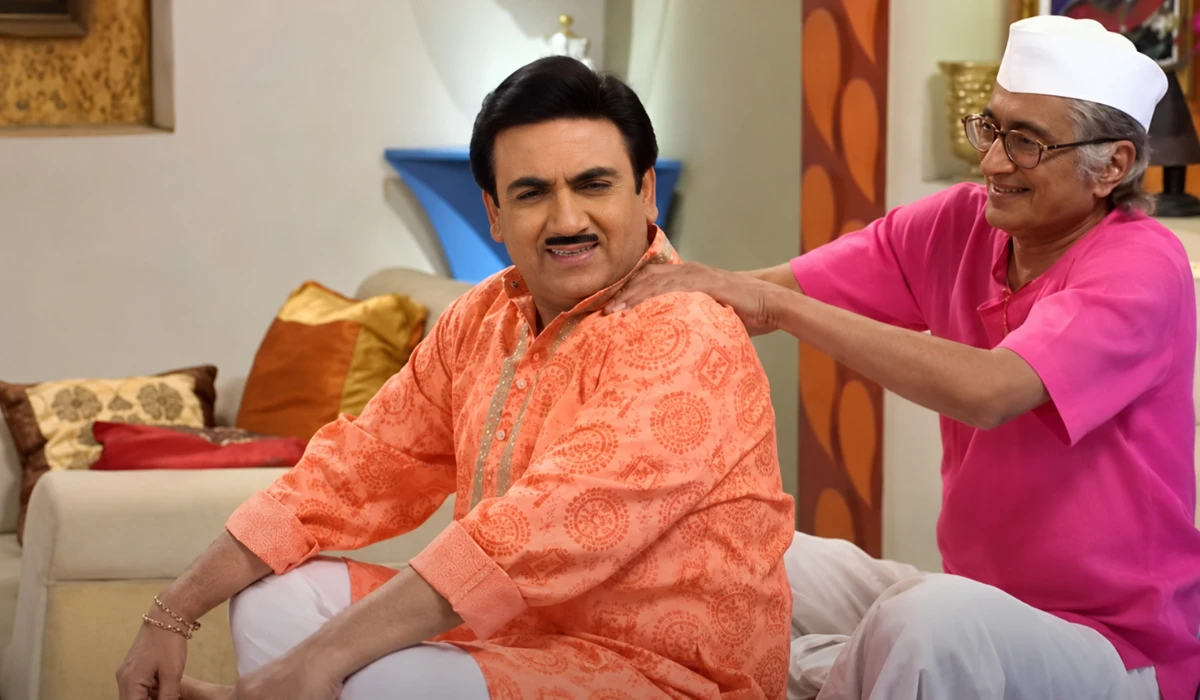
TMKOC is broadcast on Sony SAB, a family-centric channel. Jethalal is the primary narrative engine. While the show is an ensemble piece, the core emotional and comedic beats almost always route through Jethalal’s interactions—with his father Champaklal, his missing wife Daya, his son Tapu, or his friend Taarak Mehta.
From a business standpoint, Jethalal is the face of the brand's monetization. When a brand integrates its product into TMKOC (a common practice on the show), it is almost exclusively pitched to or by Jethalal. He is the aspirational yet relatable middle-class businessman.
If Dilip Joshi were to actually leave, it would not just be a cast change; it would be a complete reboot of the show's core premise. The production house, Neela Film Productions, understands that replacing Jethalal is virtually impossible. The audience’s parasocial relationship with Joshi’s character is too deeply entrenched. Therefore, his denial of the rumors was less about PR and more about reassuring advertisers and network executives that the show's primary asset is secure.
Deconstructing the ‘Fabricated Stories’ Ecosystem
When Joshi stated, "People publish fabricated stories," he was pointing a finger directly at a specific tier of the digital media ecosystem: the YouTube gossip channels and unverified entertainment portals.
Here is how this economy works:
- The Trigger: A minor event occurs (e.g., Joshi misses two days of shooting, or the show airs a rerun instead of a new episode).
- The Fabrication: A content creator posts a video with a sensationalist thumbnail, usually featuring a red arrow or a shocked face, with text reading, "Breaking! Jethalal Quitting TMKOC!"
- The Amplification: Aggregated news sites pick up the YouTube headline and write a 100-word article summarizing the video, citing the video as their "source."
- The Monetization: The YouTube video generates high click-through rates (CTR) due to the emotional trigger (anxiety over losing a beloved show), translating directly into AdSense revenue.
This is not journalism; it is emotional manipulation for profit. Joshi’s frustration is entirely justified. These fabricated stories force actors to constantly manage their public image rather than focusing on their craft.
What Happens Next for TMKOC?
With Joshi’s definitive shutdown of the exit rumors, where does India’s longest-running sitcom go from here?
Stabilizing the Roster
The show is currently in a transitional phase. With Sachin Shroff having taken over the role of Taarak Mehta and new actors stepping into the shoes of Tapu and the Sodhi family, the immediate priority is to let the audience bond with the new cast members. Joshi’s continued presence provides the necessary anchor during this shaky transition.
The Daya Dilemma
The most significant looming question for TMKOC is not Jethalal’s exit, but the absence of Daya. For years, the show has run episodic plots that awkwardly dance around the fact that the female lead of the Gada household is missing. Moving forward, the writers will have to make a creative decision: either write Daya out permanently (a risky move for a family show) or recast the role (which carries its own fan backlash).
Combating the Clickbait Narrative
Expect the production house to increase behind-the-scenes content. By showing Joshi on set, interacting with the cast, and actively filming, they can starve the rumor mill of the "absence" it feeds on to create fake news.
Dilip Joshi 🗣️ Appeals to the Media: “Please verify the facts and investigate before reporting anything as fake or real.#DilipJoshi #MediaResponsibility #FactCheck #ResponsibleJournalism pic.twitter.com/kmmxaMhrtg
— MissMalini (@MissMalini) July 17, 2026
The Audience’s Responsibility in the Age of Misinformation
While the blame largely rests on the creators of fake news, the audience also plays a role in its proliferation. Viewers of TMKOC span multiple demographics, from young children to elderly grandparents. Many of these viewers do not possess the digital literacy required to distinguish between a verified news outlet and a clickbait content farm.
When a rumor about Jethalal leaving surfaces, it triggers genuine anxiety. For many, watching TMKOC is a daily family ritual. The thought of it ending or degrading in quality is upsetting, making people more likely to click, share, and react without verifying.
The next time a dramatic headline appears about a beloved television star, the best course of action is to wait. If an actor of Dilip Joshi’s stature actually leaves a show of this magnitude, it will be announced via a formal press release from the production house or the broadcasting network—not via an anonymous YouTube video with a caps-lock headline.
Final Thoughts
Dilip Joshi breaking his silence on the Taarak Mehta Ka Ooltah Chashmah exit rumours serves as a microcosm of a much larger issue in modern media consumption. It highlights the clash between traditional, long-form entertainment and the hyper-fast, sensation-driven digital news cycle.
TMKOC has survived for over a decade and a half not because of shock value, but because of consistency, relatability, and the dependable presence of actors like Dilip Joshi. The fabricated stories will inevitably return—perhaps next month they will target Bhide, or Iyer, or Popatlal. But as Joshi has made clear, the reality behind the camera is often much mundane than the viral headlines suggest. They are just actors doing their jobs, and right now, Jethalal isn't going anywhere.
Other Articles to Read: