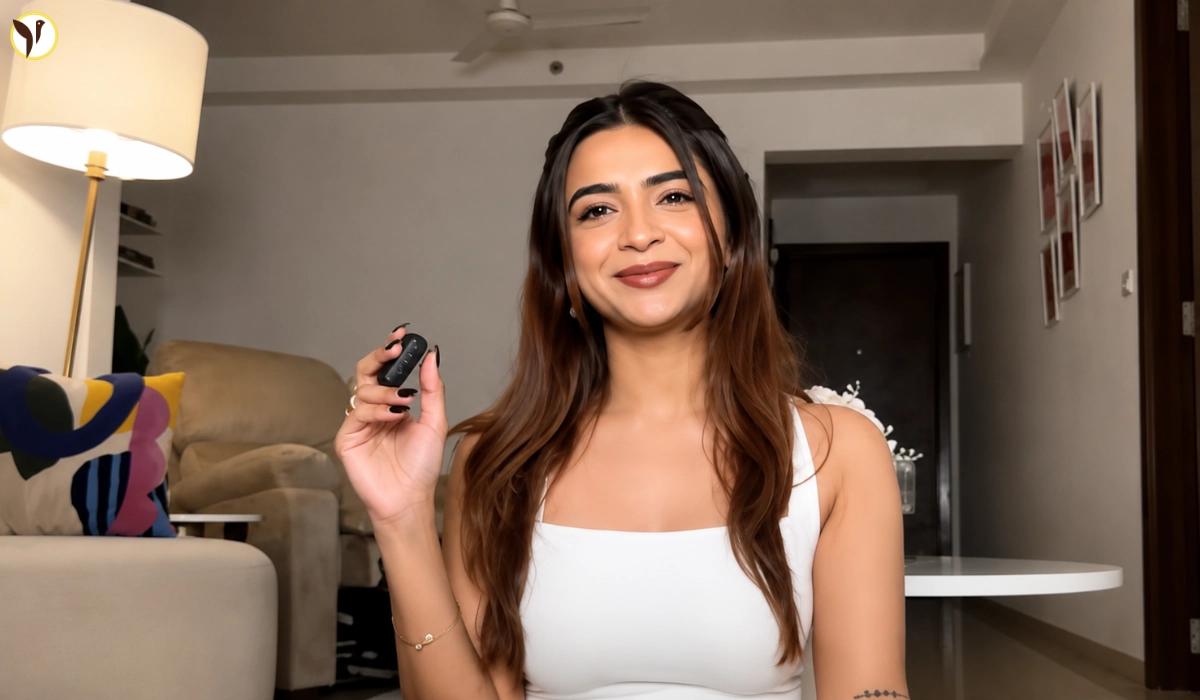


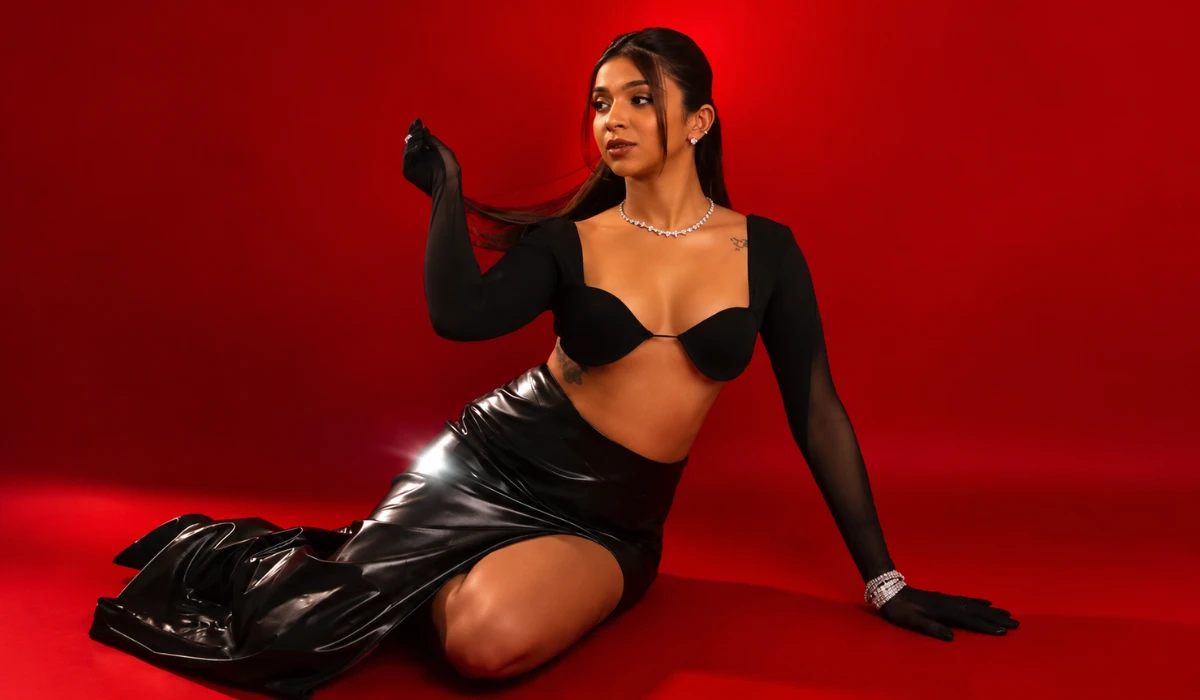
The contentious reality television format is shifting gears, and the latest programming move proves it. Lock Upp 2 has officially confirmed its first major disruptor of the season, and it is not a faded film star or a controversial politician. It is Apoorva Mukhija—widely recognized across the internet as the "Rebel Kid."
The announcement of the Apoorva Mukhija wild card entry now fundamentally alters the trajectory of the ongoing season. By injecting a digital-native creator with no traditional acting background into a confined, high-stakes environment, the makers are making a highly calculated bet on Gen-Z viewership. This is not merely a casting update; it is a case study in how streaming platforms are scrambling to bridge the gap between short-form internet fame and long-format reality drama.
Here is a breakdown of what actually happened, why Mukhija’s presence is a significant pivot for the franchise, and how this move reshapes the internal politics of the show.
Who is the "Rebel Kid"? Decoding the Persona Before the Jail
To understand the impact of this wild card entry, one must understand the specific currency Apoorva Mukhija brings to the table. She is not a traditional celebrity. Mukhija has built a massive digital following by leveraging unfiltered opinions, fashion critiques, and a distinct, unapologetic demeanor that resonates deeply with young, internet-savvy audiences.
Her content does not rely on highly produced sets or scripted dialogue. It thrives on raw reaction and a deliberate rejection of polished "influencer" aesthetics. In the ecosystem of Indian content creators, she occupies the niche of the chaotic, brutally honest commentator.
Translating this persona into a reality show like Lock Upp—which demands 24/7 surveillance, limited resources, and continuous interpersonal conflict—is an unprecedented experiment. The core question is whether her digital rebellion translates into physical endurance and psychological resilience inside the mock-jail.
What Happened: The Mechanics of the Entry
According to official updates from the streaming platform, Apoorva Mukhija was ushered into the Lock Upp jail during a special mid-week episode. Unlike standard entries where contestants are given a warm welcome or a staged introduction, wild cards in this franchise are traditionally subjected to immediate "interrogation" by the existing inmates and the host.
Mukhija’s entry followed this protocol but with a distinct twist. Existing contestants, who had by this point formed rigid alliances and rivalries, were visibly cautious. Her introduction was not framed around glamour, but rather around her reputation as a disruptor. The show’s editing specifically highlighted the shifting body language of the dominant factions the moment she stepped onto the set.
The Data Behind the Decision: Digital Footprint vs. Reality TV
The decision to bring in a creator of Mukhija's caliber is backed by shifting viewership metrics. Indian reality shows have historically relied on the star power of TV actors or controversial public figures. However, over the last two years, data shows a plateau in engagement from the 18-24 demographic on traditional reality formats.
To compensate, producers are looking toward creators who command high-engagement digital communities. Below is an comparative analysis of the typical traditional reality TV contestant versus a digital-first wild card like Apoorva Mukhija, based on industry-standard social media metrics and engagement benchmarks.
Audience Engagement Profile — Traditional TV Star vs. Digital Creator
|
|
|
|
|
|
|
|
|
|
|
|
|
|
|
|
|
|
|
|
|
|
|
|
|
|
|
|
|
|
Why It Matters: The Gen-Z Pivot in Indian Reality TV
Mukhija’s entry is symptomatic of a larger, undeniable trend: the democratization of fame and its subsequent integration into legacy media. For over a decade, reality TV functioned as a rehabilitation center for fading celebrities or a launchpad for aspiring actors.
That linear model is breaking down. Platforms like ALTBalaji and JioCinema realize that the modern viewer does not have the patience for slow-burn television drama. They consume 60-second reels and expect the same pacing from a 45-minute episode.
By casting the "Rebel Kid," the producers are outsourcing the show's pacing to someone who inherently understands virality. Mukhija knows how to manufacture a "moment." She understands what makes a clip shareable. When she clashes with another contestant, it will not be a standard argument; it will be framed, consciously or subconsciously, with the precision of someone who knows exactly what their audience wants to clip and post on their Instagram stories.
This creates a dual-layered viewing experience. The older demographic watches for the interpersonal drama, while the younger demographic watches to see how an internet personality performs in an analog, offline environment.
What Happens Next: Strategic Gameplay and Power Dynamics
Introducing a wild card mid-season is a classic production tactic to break up the monotony of established alliances. However, Apoorva Mukhija’s specific skill set dictates a very specific trajectory for the coming weeks.
The Ideological Clash
The most compelling narrative ahead is not a physical fight, but an ideological one. Lock Upp typically houses individuals who are deeply entrenched in the politics of the Indian entertainment industry. Mukhija represents the "outsider" who has bypassed those traditional gatekeepers entirely. Her presence forces the existing contestants to defend their industry's status quo against someone who has proven you do not need it to be famous.
The Vulnerability Trap
Digital creators are masters of the edit. They control their narrative through cuts, lighting, and retakes. Inside Lock Upp, that control is stripped away. The live-feed style of the show means unguarded moments, sleep-deprived irritability, and lack of makeup will be broadcast. How Mukhija handles this loss of aesthetic and narrative control will be her ultimate test. If she embraces the messiness, she becomes a relatable underdog. If she retreats, she risks being labeled "fake" by the very audience that championed her entry.
Alliance Building
Wild cards usually have a shelf life of about three weeks before they are either absorbed into an existing alliance or voted out. Mukhija’s best strategic move is to avoid the large, dominant blocs entirely. By operating as a solo agent of chaos—refusing to take sides in petty squabbles but sharply intervening in major arguments—she can maintain her "rebel" branding without getting tainted by the house politics.
A Precedent for Future Seasons
Regardless of whether Apoorva Mukhija wins the season or gets eliminated in the next elimination round, her presence sets a precedent.
We are witnessing the final stages of the divide between "TV stars" and "YouTubers/Instagrammers." In five years, this distinction will likely seem archaic. However, in 2024, the friction between these two worlds provides an immense amount of content. Lock Upp 2 is capitalizing on that friction before the market normalizes it.
If Mukhija succeeds in keeping the audience engaged and driving streaming metrics, expect future seasons of Indian reality shows to entirely bypass traditional casting calls in favor of scraping Instagram follower lists for the most volatile, unfiltered personalities they can find.
Other Articles to Read: