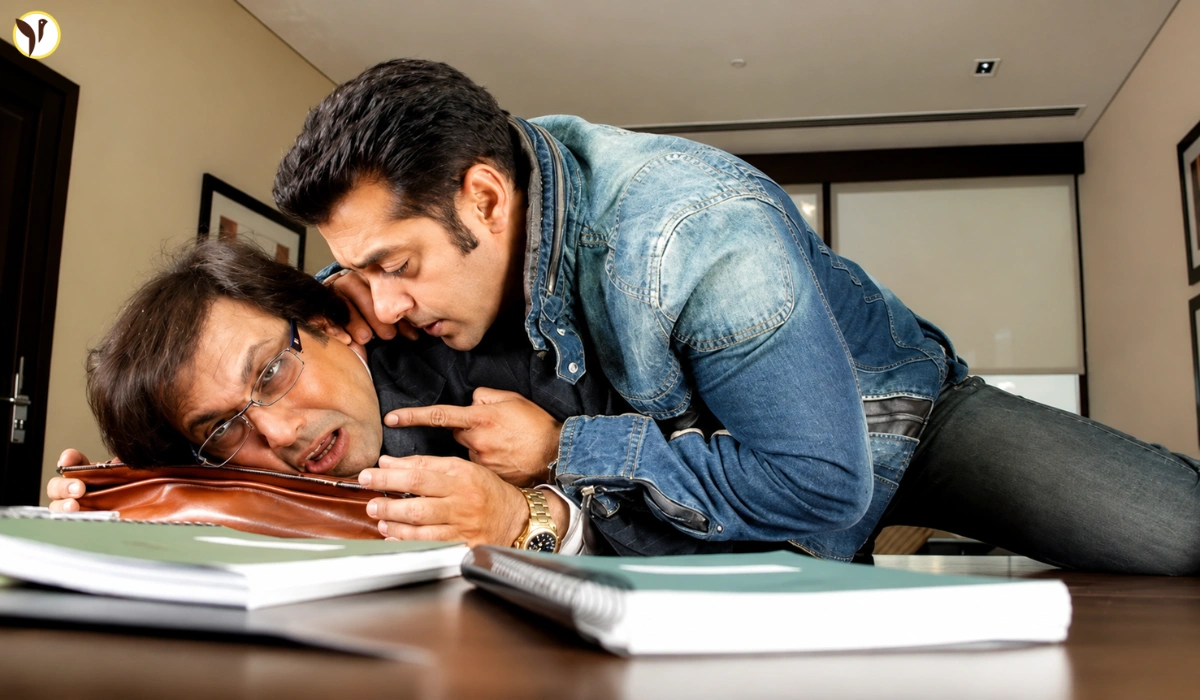
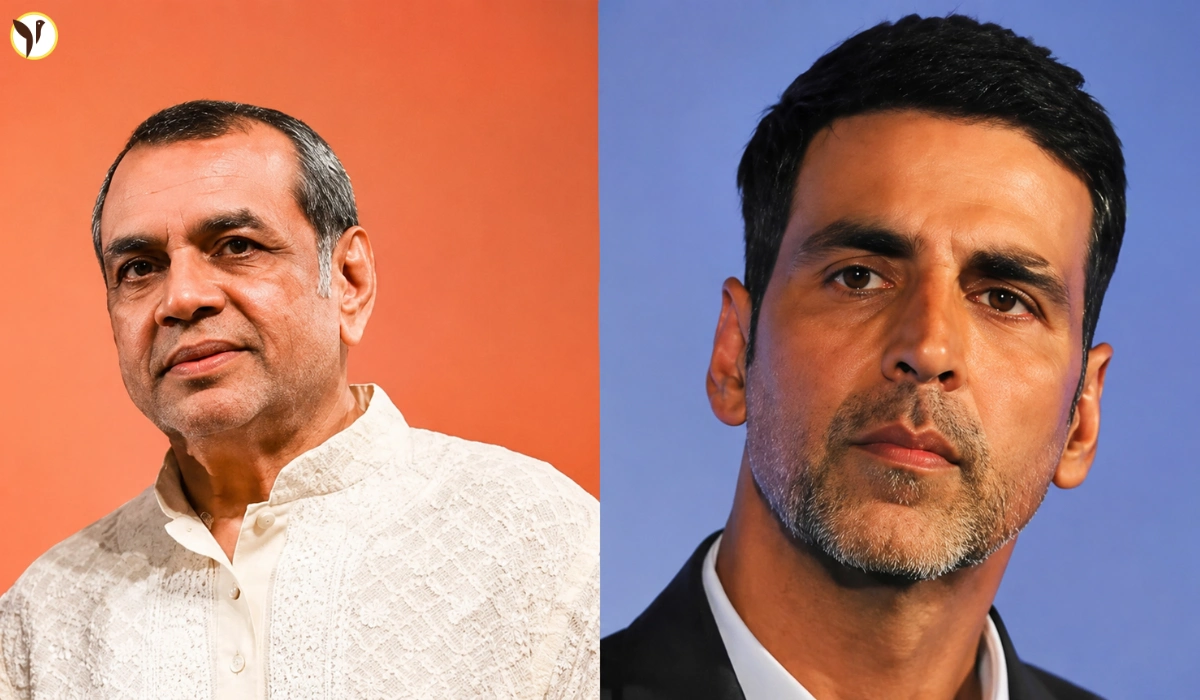


When OMG 2 was announced, the absence of Paresh Rawal—the anchor of the 2012 original Oh My God—immediately became a focal point for industry watchers. In an ecosystem that frequently thrives on manufactured controversy, whispers quickly escalated into headlines suggesting a rift between Rawal and the film's lead, Akshay Kumar. Addressing the circulating narratives directly, Paresh Rawal on OMG 2 set the record straight with characteristic bluntness: he has no problem with Akshay Kumar.
But reducing this situation to a mere celebrity clarification misses the broader, more interesting shift happening within the Hindi film industry. Rawal’s statement, and the circumstances surrounding his absence from the sequel, offer a revealing case study into how Bollywood is slowly—but unevenly—moving away from rigid franchise dependency toward a more narrative-driven approach to sequels.
Here is an analytical breakdown of what actually transpired, why the casting shift was structurally necessary, and what this means for the future of Bollywood franchises.
The Anatomy of a Bollywood Rumor
To understand why Paresh Rawal had to publicly state he bore no ill will toward Akshay Kumar, one must understand how modern entertainment journalism operates. When OMG 2 went into production, a few critical facts were established: the story was shifting its central premise, and Pankaj Tripathi was brought in as the new protagonist.
However, rather than analyzing the script's requirements, a section of the media chose to frame the narrative around "replacement." Headlines began cropping up implying that Rawal had been "sidelined" or "dropped" in favor of giving Akshay Kumar a larger, uncontested spotlight. This narrative played into an existing, albeit outdated, stereotype of Bollywood's leading men demanding top billing at the expense of their co-stars.
Rawal’s clarification was less about addressing a personal grievance and more about dismantling a fabricated narrative. He pointed out the logical flaw in the rumors: if there was any issue, why would he speak well of the film or its makers? The veteran actor understood that in the age of social media, silence is often misconstrued as guilt or resentment.
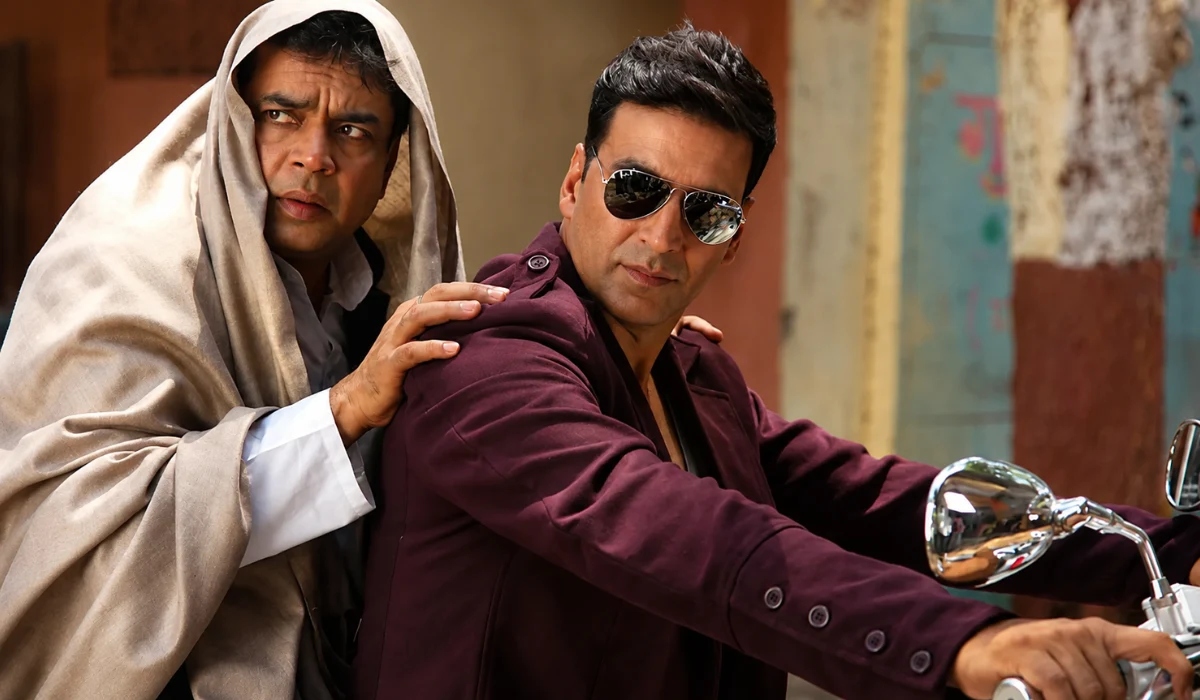
Decoding Paresh Rawal’s Stance on OMG 2 and Franchise Replacements
Rawal’s position stems from a place of professional security and narrative understanding. In OMG (2012), he played Kanji Lalji Mehta, an atheist who sues God after his shop is destroyed by an earthquake. The character was an everyman with a sharp tongue and a skeptical mind.
OMG 2, however, was not a continuation of Kanji’s life. It was a thematic sequel. The story shifted to Kanti Sharan Mudgal (Pankaj Tripathi), a devout man whose son is embroiled in a scandal at his school, prompting him to take on the education system and societal taboos regarding sex education.
For Rawal to reprise his role would have required forcing Kanji Lalji Mehta into a narrative where he simply did not fit. Kanji was an anti-establishment atheist; Kanti is a devout, God-fearing father. The thematic contrast between the two films is stark, and swapping the protagonist was not a slight against Rawal—it was a foundational requirement of the new script.
The Structural Shift: OMG (2012) vs. OMG 2 (2023)
To fully grasp why Rawal’s absence makes perfect narrative sense, one must look at the DNA of both films. They are linked by theme, not by plot.
The table below illustrates the structural differences between the two films, highlighting why a direct casting carryover was neither feasible nor desirable from a storytelling perspective.
|
|
|
|
|
|
|
|
|
|
|
|
|
|
|
|
|
|
|
|
|
|
|
|
|
|
|
|
|
|
|
|
As the data clearly shows, the protagonist of OMG 2 required a fundamentally different energy than the one Rawal provided in the first film. Pankaj Tripathi’s ability to portray vulnerability, deep-rooted faith, and quiet desperation was the exact counterweight needed to drive the sequel's specific social commentary.
The Bigger Picture: Bollywood’s ‘Legacy Casting’ Dilemma
Paresh Rawal’s graceful exit from the OMG franchise highlights a growing pain point in Hindi cinema: the burden of legacy casting. For years, Bollywood operated on the assumption that a sequel must retain its original cast to succeed. When franchises like Golmaal, Dhoom, or Housefull swap out actors, it is almost always met with initial backlash.
Yet, globally, the most successful sequels are often ones brave enough to recast or shift focus if the story demands it. The Bourne series shifted focus to Jeremy Renner when Matt Damon stepped away; the James Bond franchise is defined by its recasting.
Bollywood is slowly catching up. The makers of OMG 2 recognized that the brand value of the franchise lay in its concept—a man taking on a societal giant with divine intervention—not in the specific face of the man doing the fighting.
However, the audience's reaction to this shift remains mixed. While OMG 2 was praised for its bold subject matter, a segment of the audience missed the sharp, combative energy of Rawal’s Kanji. This proves that while creators are ready for structural evolution, audiences sometimes remain tethered to nostalgia.
'Akshay Kumar Se Koi Problem Nahi Hai': Paresh Rawal Reacts To OMG 2 Controversy; Denies Writing Script Of The Movie#AkshayKumar #OMG2 #PareshRawal https://t.co/bJeCZBV064
— Free Press Journal (@fpjindia) July 18, 2026
The PR Mechanics: Why ‘Rifts’ Are Manufactured
The need for Rawal to clarify his relationship with Akshay Kumar points to a toxic underbelly of film marketing: the reliance on interpersonal drama to generate buzz.
In the weeks leading up to a major release, PR machinery often leaks "insider" information to create a trending topic. When OMG 2 was nearing its release date, the film was already facing hurdles with the Central Board of Film Certification (CBFC). The producers needed positive, high-engagement news cycles.
Creating a faux-rivalry between the beloved original lead and the current superstar is a low-effort, high-reward strategy. It guarantees headlines, sparks debates on prime-time news and YouTube commentary channels, and keeps the film's name in the trending sections. By addressing it head-on, Rawal effectively short-circuited this PR tactic, refusing to let his professional boundaries be weaponized for promotional fodder.
What Happens Next: The Future of Concept-Driven Sequels
Rawal’s stance on OMG 2 sets a mature precedent for how veteran actors should handle franchise recasts. But what does this mean for the industry moving forward?
- The Rise of Anthology Sequels: We are likely to see more sequels that act as thematic anthologies rather than chronological continuations. If OMG 3 happens, it will likely feature a completely new protagonist tackling a new social issue, with a divine figure in a cameo.
- Separation of Actor and Character: As audiences become more exposed to international storytelling standards, the demand for strict continuity will lessen. The focus will shift entirely to whether the new actor serves the story better.
- Akshay Kumar’s Niche: Akshay Kumar has found a highly sustainable groove in playing mythological cameos (OMG series, Mahabharat announcements). It allows him to lend star power to smaller, message-driven films without the burden of carrying the entire film on his shoulders.
Conclusion
The headline "Paresh Rawal on OMG 2 — I Have No Problem With Akshay Kumar" is a statement of fact, but the story beneath it is a reflection of a changing industry. Paresh Rawal did not need to be in OMG 2 for the film to succeed, and his acknowledgment of that fact demonstrates a level of professional maturity that is often lacking in Bollywood's ego-driven landscape.
The rumor of their rift was a byproduct of a media ecosystem desperate for conflict. The reality is far more mundane, yet far more encouraging for the future of Hindi cinema: a script was written, the right actors were cast for those specific roles, and the original star understood that a good story always takes precedence over a single actor's legacy.
Other Articles to Read: