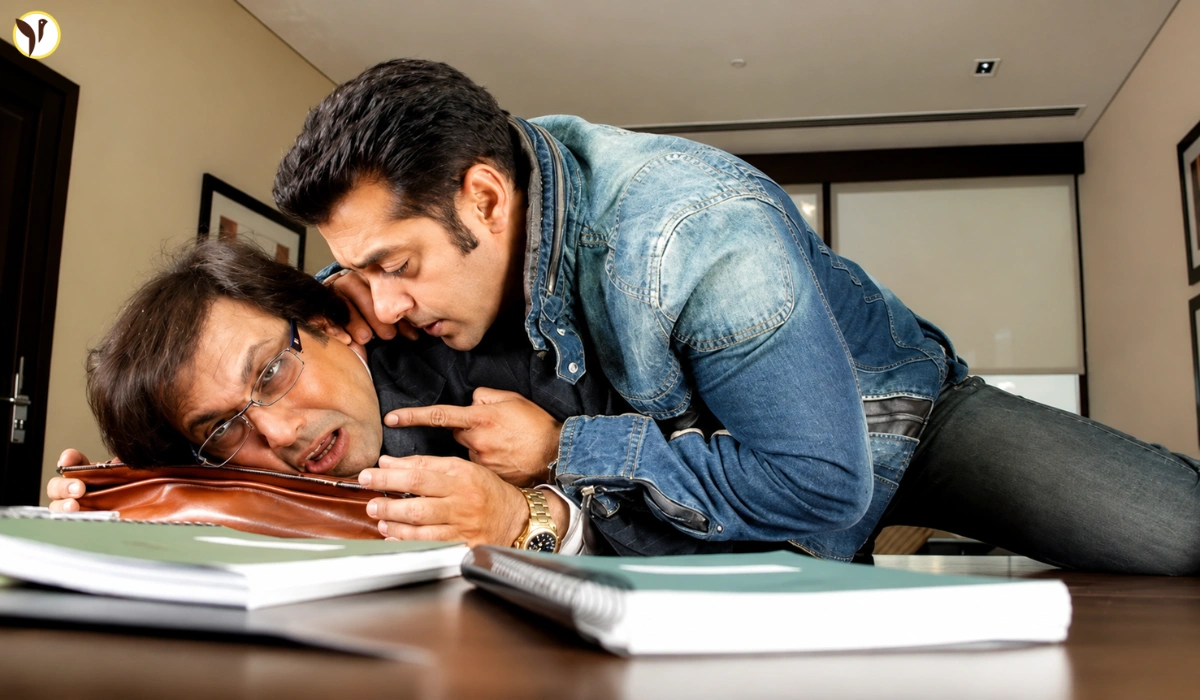



Production on Love Island was temporarily halted this week after a contestant suffered a medical emergency during filming, prompting an immediate on-site response and an airlift to hospital. The incident has reignited debate about the physical and psychological pressures faced by reality TV participants, particularly on high-intensity dating formats.
According to the show’s producers, the contestant is now in stable condition. Filming was paused for at least 48 hours while welfare checks were conducted and schedules reassessed. The individual’s identity has not been publicly released out of respect for family privacy.
For a franchise that thrives on daily episodes and tightly structured twists, even a short pause represents a significant disruption. But it also signals how seriously networks now treat contestant safety in the wake of past tragedies linked to reality programming.
A Format Built on Constant Exposure
Since launching on ITV2 in 2015, Love Island has operated on a demanding production rhythm. The show places contestants in a Mallorca villa, isolates them from outside contact, and films them nearly 24 hours a day. Episodes air frequently during the season, creating a fast feedback loop between viewers and islanders.
Contestants couple up, compete in challenges, and face public votes that determine eliminations. Producers introduce surprise arrivals known as bombshells to intensify romantic dynamics. The structure encourages emotional volatility, which fuels engagement and ratings.
The eleventh series recently averaged around two million nightly viewers in the UK, with international versions in the United States and Australia expanding the brand’s global footprint. In the U.S., Love Island USA streams on Peacock, attracting younger viewers who engage heavily on social platforms.
What Happened This Week
The latest incident occurred during a challenge segment on February 23, 2026. Witness accounts from within production describe a sudden collapse. Medical personnel stationed on-site intervened immediately, and a helicopter transport was arranged to transfer the contestant to hospital care.
A statement from ITV confirmed that the participant is receiving treatment and that welfare remains the top priority. Production resumed only after consultation with medical teams and internal risk assessments.
While medical interruptions on the show are rare, they are not unprecedented. The scale of response in this case underscores the seriousness of the situation.
A Franchise Shaped by Past Tragedies
Love Island’s safety protocols have evolved significantly over the past decade. In 2018, former contestant Sophie Gradon died by suicide nearly two years after her appearance on the show. In 2019, Mike Thalassitis, another former islander, also died by suicide. Both cases sparked national conversations in the UK about the long-term mental health impact of sudden fame and online scrutiny.
In response, ITV introduced enhanced duty-of-care measures. These include mandatory psychological screenings before casting, on-site therapists during filming, and structured aftercare for at least 14 months post-show. Social media training and management support were also added.
Industry-wide, reality television shifted its standards after those tragedies. However, critics argue that high-pressure production models still carry risks, particularly when contestants are encouraged to maintain certain body standards or endure limited sleep during peak filming days.
Inside the Villa: Pressure and Performance
Participants often describe the villa environment as intense. Constant cameras, competitive challenges, and the knowledge that public opinion shapes their future create sustained stress. Alcohol consumption has historically been part of evening scenes, though recent seasons have reportedly imposed stricter limits.
Body image pressures have also been a recurring concern. Contestants typically prepare physically before entering the villa, and critics note that swimsuit-heavy filming amplifies scrutiny. Producers maintain that medical professionals monitor physical health throughout production.
Viewer Reaction and Online Response
Within hours of the incident becoming public, social media platforms saw widespread discussion. Hashtags related to contestant safety trended, and some viewers called for broader reforms to reality TV standards.
At the same time, others urged restraint, noting that medical emergencies can occur in any environment and that on-site teams responded promptly.
The online reaction reflects a shift in audience expectations. Viewers are no longer passive consumers of dramatic television. They increasingly demand transparency around welfare and ethical production.

How U.S. Viewers Are Affected
For American audiences, the pause may alter release schedules depending on streaming arrangements. Love Island USA continues its own production cycle, but UK episodes are often available shortly after broadcast through digital platforms.
The incident may also influence production decisions across U.S.-based reality shows. Programs such as Big Brother and Survivor have gradually increased visible medical protocols in recent seasons, partly in response to industry scrutiny.
U.S. viewers who engage with Love Island through Peacock or Hulu can expect official updates to come via network channels rather than contestant social media, since participants remain cut off from outside communication during filming.
Broader Industry Implications
Reality television has always balanced entertainment value with real human vulnerability. Shows built around competition, isolation, or romance rely on emotional intensity to sustain audience interest.
The challenge for producers is ensuring that intensity does not compromise health. Since 2019, networks have invested more heavily in psychological teams, structured rest periods, and alcohol moderation policies.
This week’s incident will likely prompt another internal review at ITV. Industry observers expect renewed discussions around filming schedules, challenge design, and transparency.
Other Articles to Read:
- Cardi B Fires Back at Postpartum Tour Critics Amid Online Debate!
- Wednesday Season 3 Brings Winona Ryder Into the Addams World?
- Louder Than Life 2026 Festival: Full Lineup, Dates, Tickets & Key Highlights
- ‘Botched’ Lip King Jordan James Parke Dies at 34; London Arrests
- Robert Carradine Dies at 71 — Cause of Death & Family Statement Revealed
- Luci4 Cause of Death: What Happened to the 23-Year-Old BodyPartz Rapper?
- All of Us Are Dead S2 Shooting Ends: When and What to Expect on Netflix
The Season Continues Under Scrutiny
Production is expected to resume shortly, with medical clearance guiding the timeline. For now, the focus remains on the contestant’s recovery.
Love Island’s longevity demonstrates that audiences remain drawn to its blend of romance and unpredictability. But as expectations evolve, so too must production standards.
Reality television no longer operates in a vacuum. Every incident carries industry-wide consequences. How networks respond in moments like this often defines public trust more than the drama itself.