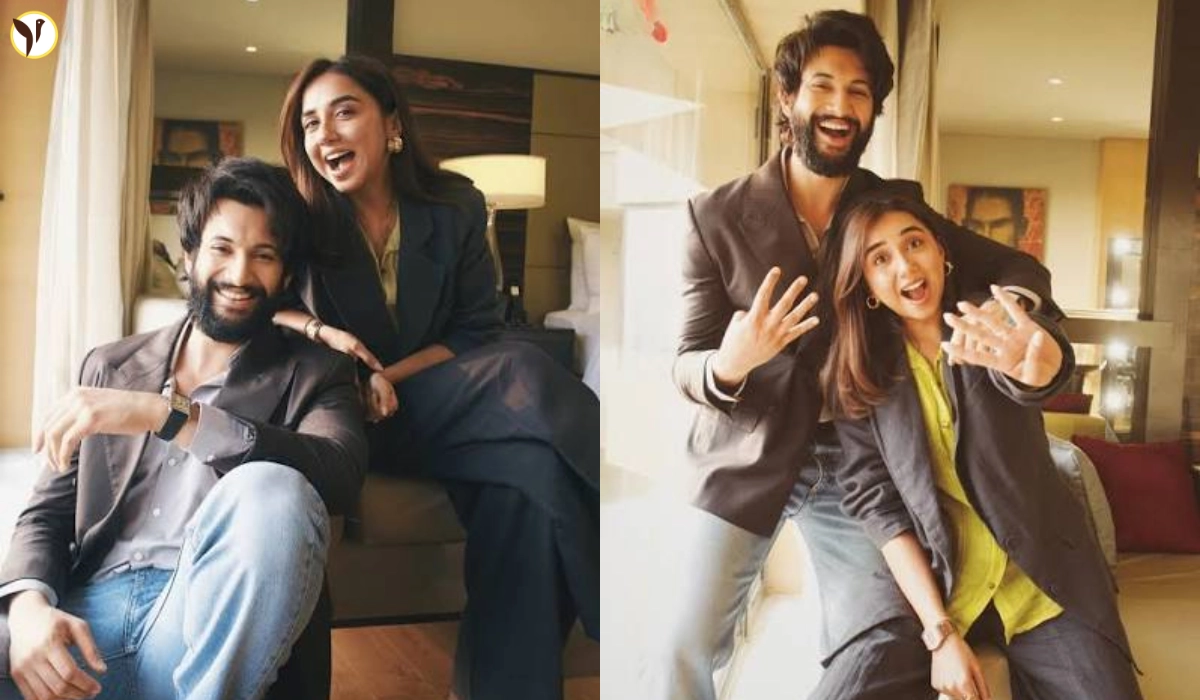


Four years ago, Indian streaming audiences were introduced to a mismatched pair of aspiring coders navigating a pandemic-era startup bootcamp. Today, that pairing—Dimple Ahuja and Rishi Singh Shekhawat—has grown up alongside its viewers. The news that Mismatched 4 filming begins marks a significant milestone not just for Netflix India’s original slate, but for a generation of viewers who saw their own transition from campus life to adulting reflected on screen.
Confirmed by lead actor Rohit Saraf via social media, the commencement of production on the fourth season brings with it the bittersweet revelation that this will be the final chapter for Dimple and Rishi. For a platform ecosystem that rarely allows its young adult (YA) properties to naturally conclude, Mismatched’s deliberate ending is a notable shift in strategy.
Here is a detailed breakdown of what this final season means for the franchise, the cultural footprint of the series, and what viewers can realistically expect as the cameras start rolling.
The Confirmed Facts: What We Know About Season 4
While Netflix India tends to keep production details tightly under wraps until post-production is near completion, several verified facts about the new season have emerged:
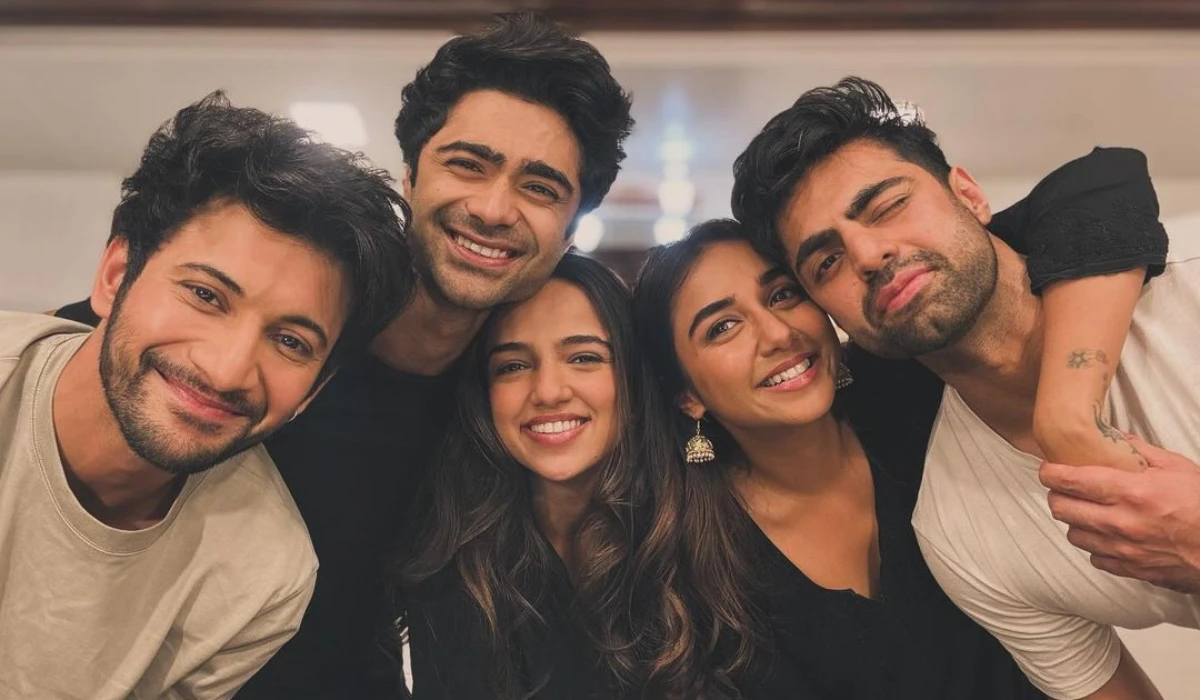
- Lead Cast Return: Rohit Saraf and Prajakta Koli are reprising their roles as Rishi and Dimple.
- Core Creative Team: The series continues to be directed by Akarsh Khurana and adapted by Gazal Dhaliwal, ensuring narrative consistency rather than a rotational door of showrunners.
- The Final Arc: The creators have explicitly stated that Season 4 is designed as the definitive conclusion to the story.
- Production Status: Principal photography commenced in late 2024, with the cast sharing preliminary glimpses of the script table reads.
The Evolution of Mismatched: A Data-Driven Timeline
To understand why the beginning of this final season matters, one must look at how the show has functioned as a time capsule for India's Gen Z. Unlike static sitcoms, Mismatched has operated in real-time, aging its characters and shifting its thematic focus with each installment.
Below is an original analysis of the franchise’s trajectory, mapping the narrative shifts against the real-world context of its release windows.
|
Season |
Release Year |
Primary Narrative Conflict |
Cultural/Socio-Economic Context |
Character Maturity Level |
|
Season 1 |
2020 |
App development, initial clashing of egos, pandemic lockdown constraints. |
The rise of the Indian startup ecosystem, remote work, and digital courtship during COVID-19. |
Naive / Ideological |
|
Season 2 |
2022 |
Navigating a long-distance relationship, dealing with professional failures, and exploring new romantic interests. |
Post-pandemic normalization, return to physical spaces, the gig economy, and shifting definitions of loyalty. |
Reactive / Exploratory |
|
Season 3 |
2024 |
Career consolidation, living together, and reconciling traditional expectations with modern ambitions. |
Tech layoffs, the pursuit of creative fulfillment over corporate hustle, and adulting anxieties. |
Pragmatic / Communicative |
|
Season 4 |
TBA (2025) |
Anticipated: Long-term commitment decisions, defining success outside of code/startups, and familial integration. |
Economic stabilization, the "quiet quitting" movement, and redefining the Indian YA demographic as they enter their late 20s. |
Settled / Introspective |
Why This Final Chapter Matters for Indian Streaming
The announcement that Mismatched 4 is the end of the road is a departure from the standard operating procedure of Indian OTT platforms. Typically, successful shows are milked until viewer fatigue sets in, leading to a decline in writing quality (a trajectory seen in several other long-running Indian web series).
By capping the show at four seasons, the creators are prioritizing narrative integrity over algorithmic longevity. This matters for two primary reasons:
1. The Death of the "Perpetual YA" Trope: Historically, Indian television and early streaming shows kept young characters in a state of suspended animation—forever in college or forever navigating the same minor misunderstandings. Mismatched is allowing its characters to age out of the YA bubble. By Season 4, Dimple and Rishi are no longer just "star-crossed coders." They are working professionals dealing with the mundane, complex realities of long-term partnership. Ending the show now prevents the writers from forcing juvenile conflicts onto adult characters.
2. Establishing Trust in Finite Storytelling: If Mismatched sticks the landing, it sets a precedent for Indian streaming. It proves to audiences that investing time in a Netflix India original will yield a complete, satisfying story rather than an abrupt cancellation or a diluted sixth season.
What to Expect: Forward-Looking Insights for Season 4
Based on the narrative seeds planted in Season 3, the beginning of filming for Season 4 allows us to project several likely storylines for this final chapter.
The Resolution of the "Code vs. Creativity" Debate
A central pillar of Mismatched has been Dimple’s struggle between her technical background and her desire for creative freedom (exploring gaming and design). Season 4 will likely see her stepping into a definitive career role that bridges this gap, moving past the "starving artist" trope into a more nuanced depiction of a creative technologist.
Rishi’s Decoupling from Traditional Romance
Rishi Singh Shekhawat began the series as a die-hard romantic who believed in grand gestures and Tamil cinema tropes. Over three seasons, his character has been systematically deconstructed. In the final season, we can expect Rohit Saraf’s character to fully define what love looks like for him in a practical, everyday setting, rather than through the lens of his familial upbringing or cinematic fantasies.
Closure for the Ensemble
A hallmark of good series finales is giving supporting characters their due. Season 3 heavily featured the fractures and reconciliations within the friend group—Namrata, Celina, Anmol, and Harsh. Season 4 will need to resolve the professional and romantic limbo these characters find themselves in, particularly regarding the shifting dynamics between Celina and the rest of the group.
The Production Reality: From Script to Screen
With filming officially underway, the logistical timeline for a 2025 release becomes clearer.
Akarsh Khurana’s direction typically involves a tightly controlled production schedule, often relying heavily on localized shooting locations to maintain the atmospheric tension of the series. While the first two seasons were anchored in Jaipur and the third expanded to Mumbai and other metropolitan areas, the fourth season's locations remain strategically under wraps.
Given that the characters are now firmly entrenched in their professional lives, it is highly probable that Season 4 will utilize a more urban, corporate aesthetic, contrasting the vibrant, hostel-like environments of the earlier seasons. This visual shift will subtly reinforce the thematic transition from the chaos of youth to the structure of adulthood.
Other Articles to Read: