

After nearly a decade of silence, the original Angoori Bhabhi says her sexual harassment case against producer Sanjay Kohli was fabricated — and explains, for the first time, exactly why she filed it. There is a particular kind of courage required to stand in front of the world, hold up a mirror to your own past, and say — plainly, without excuses — "that was a lie." On June 2, 2026, Shilpa Shinde did exactly that. In a conversation on comedian Bharti Singh and writer Haarsh Limbachiyaa's podcast, the actress who made Angoori Bhabhi a household name admitted that the sexual harassment case she filed against Bhabiji Ghar Par Hain! producer Sanjay Kohli in 2017 was false.
The Controversy That Shook Indian TV — A Quick Recap
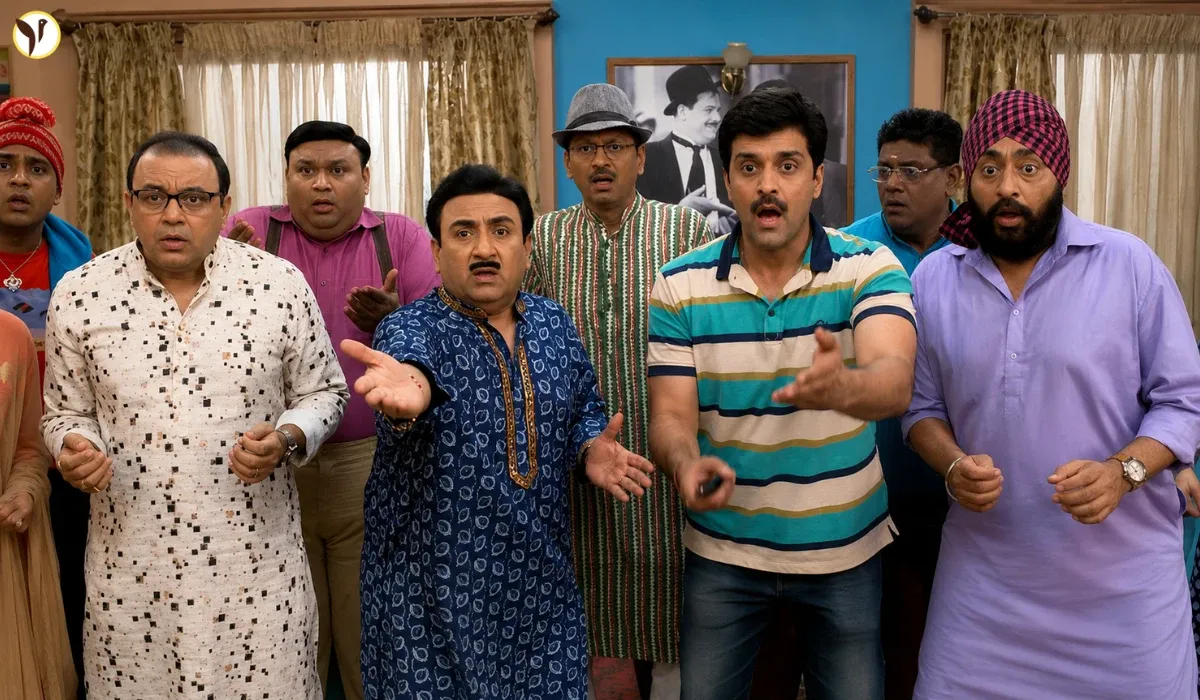
When Bhabiji Ghar Par Hain! debuted on &TV in March 2015, Shilpa Shinde's portrayal of the guileless, catchphrase-loving Angoori Tiwari became its breakout element. By early 2016, she was one of the most recognisable faces on Hindi primetime television. Then, in March 2016 — without warning — she was gone.
What followed was one of the messiest, most public disputes in the recent history of Indian television. Shilpa alleged she was owed three months of salary amounting to ₹32 lakh, that she was being pressured to sign a restrictive exclusive contract, and that the working environment had become untenable. The show's producers — Sanjay and Binaifer Kohli of Edit II Productions — denied the claims, served her with a legal notice for unexplained absence, and maintained that her salary had been raised twice in the past at her request.
The conflict escalated in March 2017 when Shilpa filed an FIR against Sanjay Kohli, accusing him of sexual harassment. The allegations were graphic and specific, setting off a fresh wave of media attention. The case became one of the more prominent harassment claims in the Indian entertainment space in the period before the #MeToo movement arrived in full force in 2018.
What Shilpa Actually Said: The Podcast Revelation
Speaking on the podcast hosted by Bharti Singh and Haarsh Limbachiyaa, Shilpa did not hedge or soften the confession. She said directly — using the Hindi phrase "woh jhoot tha" (that was a lie) — that the sexual harassment allegations she had levelled against Sanjay Kohli were not true.
Nobody knows this, and I am not afraid of saying the truth. I filed a sexual harassment case against my own producer because I had no other road left. That is how I got out of that situation.— Shilpa Shinde, Bharti Singh's Podcast, June 2, 2026
Her account of events offers a coherent, if troubling, logic. According to Shilpa, the makers had asked her to sign an exclusive contract — one that would have given them complete control over her professional decisions. Her objection, she clarifies, was not about wanting to work on other projects simultaneously. Television schedules, she notes, leave little room for that anyway. The issue was more fundamental: the contract was designed as a control mechanism, ensuring she could not negotiate or walk away.
When she refused, pressure mounted. She was reportedly removed from shoots without formal notice, learning of her own departure through press reports. Her payments — three months of them — were frozen. In her telling, she was also being warned that she would be blacklisted across the industry.
In this context, she says, the police advised her that for an FIR to be registered, serious allegations would need to be included. Drawing on her own knowledge of legal processes, she filed accordingly. The complaint became her exit route.
The Exclusive Contract at the Centre of It All
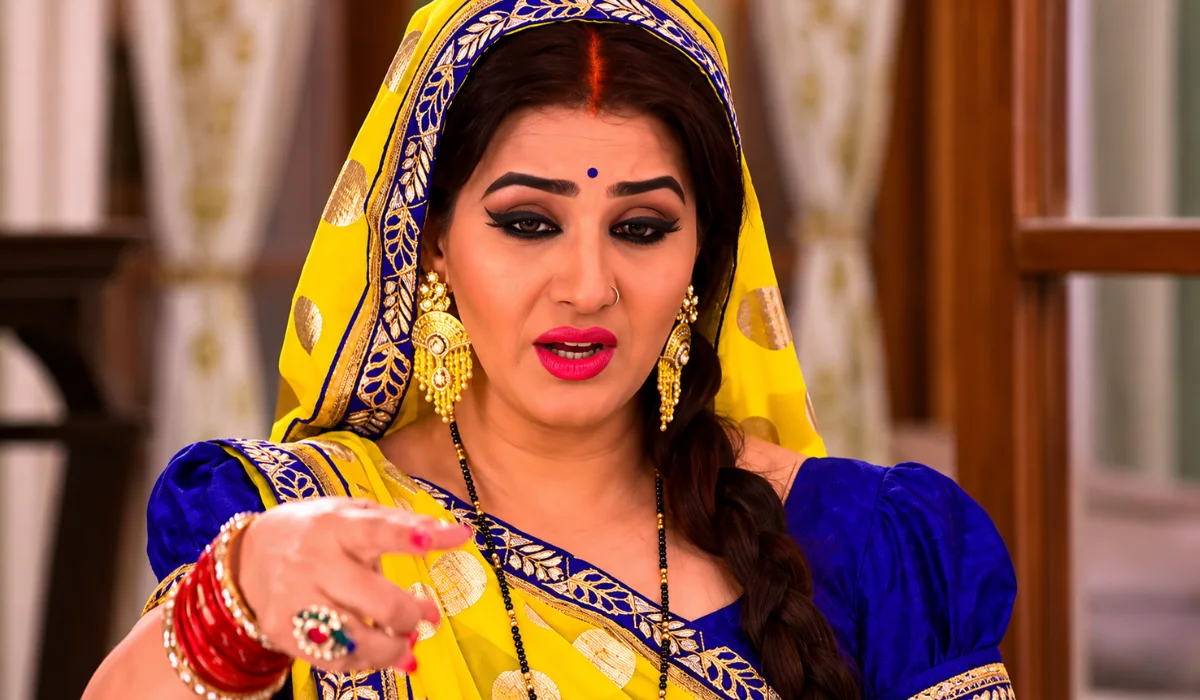
Understanding why Shilpa felt so cornered requires understanding what an "exclusive contract" means in the practical reality of daily-soap television. These agreements, when drawn broadly, can restrict an actor from taking on any outside creative work, participating in public appearances without approval, or negotiating independently with other networks — effectively placing their professional identity under the production house's thumb.
Shilpa's description of the contract she was pressured to sign — as a tool designed to keep an actor "under control" and prevent salary negotiations — is consistent with grievances that other television actors have voiced over the years, even if rarely on record. That she felt her only lawful escape was a criminal complaint illuminates just how limited the formal grievance mechanisms available to her appeared at the time.
The Shilpa Shinde–Bhabiji Controversy (2016–2026)
|
|
|
|
|
|
|
|
|
|
|
|
|
|
|
|
|
|
|
|
|
|
|
|
|
|
|
|
|
|
|
|
|
|
|
|
The Reconciliation: Why She Came Back
The return itself requires explaining, because it is not the natural ending one might expect from a decade-long fallout involving a criminal complaint. Shilpa is candid about the motivation. She returned, she says, because the late writer Manoj Santoshi — whose voice and warmth ran through the show's creative DNA — had wanted her back. She acknowledges that she had hurt him too during the acrimonious period, and felt she owed it to his memory to come back.
It is a quietly moving detail, and it reframes the reconciliation as something more personal than a professional calculation. Shilpa is now, by her own account, on excellent terms with the production team — a resolution that would have seemed inconceivable in 2017.
Shilpa Shinde admits filing false sexual harassment cases against producer of her show over payment dispute. Says "Wo bilkul jhootha tha. Jo payment teen mahine baad milni thi wo mujhe tabhi mili. Settlement hua"
— Deepika Narayan Bhardwaj (@DeepikaBhardwaj) June 2, 2026
Slow claps 👏👏👏 pic.twitter.com/bAfho9cIbu
Why This Revelation Matters — Beyond the Headlines
Reactions to Shilpa's confession will inevitably split. There are those who will condemn it as an admission of wrongdoing that had real consequences for a named individual. There are others who will read it as testimony about how desperate a workplace situation had to become before a woman — with legal knowledge, a public profile, and financial resources — felt her only option was a false criminal complaint.
Both readings are valid, and the tension between them is exactly why this story deserves more than a one-day news cycle. False allegations cause serious harm. Equally serious is the structural environment that Shilpa describes — one where an actor can have their salary withheld for months, be removed from work without notice, face industry-wide blacklisting threats, and find no effective formal recourse. The Indian television industry, like entertainment industries globally, has historically operated with limited worker protections for on-screen talent.
Shilpa's own candour — filing a public confession that exposes her to legal and reputational risk — adds credibility to the account even if it complicates the moral picture. This is not a story of clear heroes or villains. It is a story about a system.
A Final Note on Fairness
This article is based on statements made by Shilpa Shinde on a public podcast, cross-referenced with contemporaneous reporting from IANS, India TV News, and archival records. Producer Sanjay Kohli has not, as of publication, issued a public response to Shilpa's June 2026 statement. His position during the original dispute was that the allegations were false — a position Shilpa's confession now publicly vindicates. Any response from the producers' side will be updated accordingly.
What Shilpa Shinde did in 2017 was wrong, and she has said so herself, clearly and publicly. What she was navigating before that decision — and what her account reveals about the industry — is a conversation worth having.
Other Articles to Read: