

For three long days ranging from January 26-28, 2026, Storm Chandra made its presence known and felt throughout the United Kingdom as it dumped torrential rains and wind gusts of up to 80 mph, and dumped more than a foot of snow in some mountainous areas. Flooded rivers, disrupted transportation networks, and numerous school closures — particularly in Northern Ireland — were just some of the lasting effects of the storm that have continued to wreak havoc on the country as when the storms settle into prolonged periods of bad weather and then eventually subside and leave behind a trail of destruction. The focus now shifts from impact to safety and recovery to preparedness for the next outbreak of severe weather.
For Indian travellers, students and expatriates with family ties to the UK, Chandra has created challenges beyond just being another weather update; it has changed flight schedules and school calendars, transportation options, and has affected the family's ability to be safe at home, all of which are examples of how fast a winter weather system can disrupt daily life abroad.
Three Days That Tested UK Infrastructure
Storm Chandra arrived with little pause, pushing already saturated ground to breaking point. Torrential rain fell across large parts of England, Wales, and Northern Ireland, while strong Atlantic winds battered exposed coasts. In upland regions, snowfall added another layer of risk, complicating travel and emergency response.
Nearly 100 flood warnings were issued across England, with southwest counties bearing the brunt. Rivers rose rapidly, roads disappeared under water, and emergency services worked through the night to assist stranded residents. Authorities stressed that the danger was not only from rainfall but from how quickly rivers responded after weeks of wet weather.
Flooding Reaches Record Levels in the Southwest
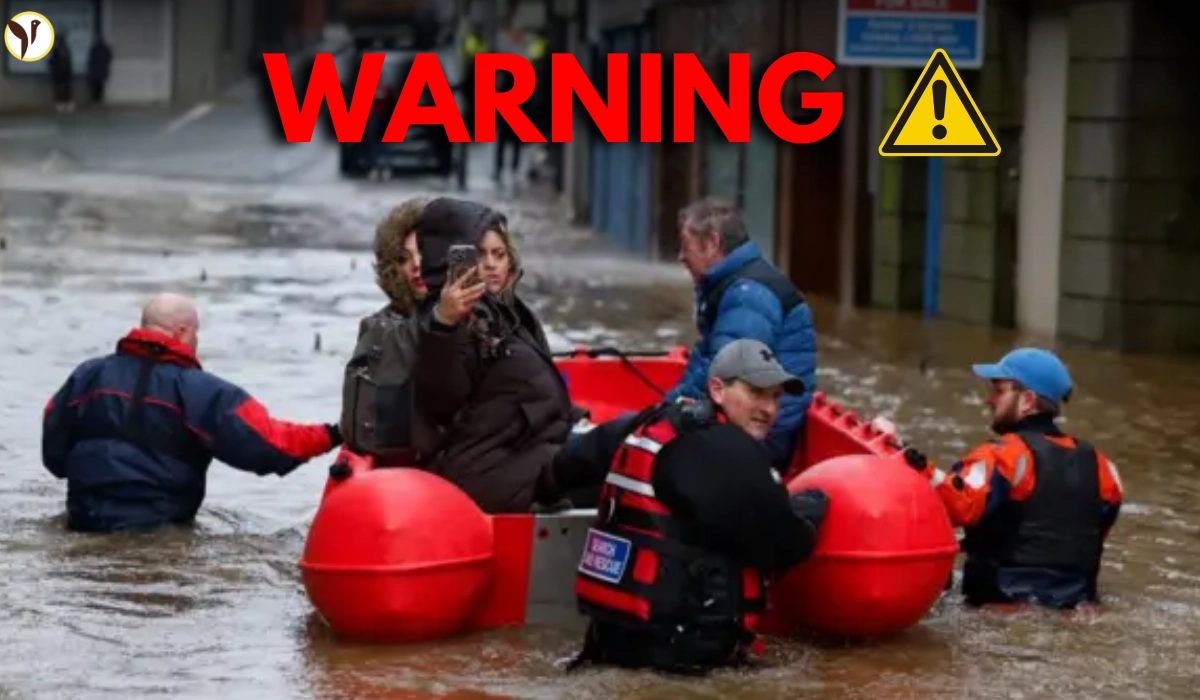
The southwest of England experienced some of the most dramatic scenes of the storm. In Devon, the River Otter reached its highest level ever recorded, triggering multiple rescues as vehicles became trapped in fast-moving water. Fire and rescue services confirmed at least 25 separate car rescues across Devon and Cornwall during the height of the storm.
Somerset was placed under a major incident declaration after rivers across the Levels and Moors spilled beyond capacity. Local councils warned that floodwater in this region drains slowly, meaning impacts could persist even after rainfall eases. At the peak of the crisis, 21 flood warnings classified as “imminent danger” were active across England, with a further 99 flood alerts urging residents to remain on guard. Wales also issued flood alerts in vulnerable areas.
School Closures Disrupt Thousands of Families
Education was among the hardest-hit sectors. Northern Ireland alone reported more than 350 school closures, driven by a mix of flooding, icy conditions, and unsafe travel routes. Many schools remained shut beyond the main storm period due to lingering ice risks and localised flooding.
In southwest England, dozens of schools closed temporarily, particularly in rural areas where road access was cut off. Authorities urged parents to rely on official school portals and local council updates rather than social media, as conditions varied sharply by location.
Weather Warnings Blanket the UK
The Met Office issued a complex patchwork of warnings reflecting the storm’s multi-layered risks. Yellow warnings for ice covered much of mainland UK, excluding the far southwest, Wales, and northern Scotland, highlighting frost hazards during overnight and early morning hours.
A fresh yellow rain warning extended through Friday across all of Northern Ireland and southwest England, where further heavy rainfall could worsen flooding. Earlier in the week, amber warnings for rain and wind were issued for Northern Ireland, while coastal areas from the Isles of Scilly to Cornwall experienced gusts of 70–80mph.
Travel Disruption Spreads by Road, Rail, and Air
Transport networks struggled to keep pace with conditions. Rail services in Devon were suspended on key lines near Exeter after floodwater covered tracks, with buses deployed as temporary replacements. In Scotland, train operators imposed speed restrictions due to high winds and ice.
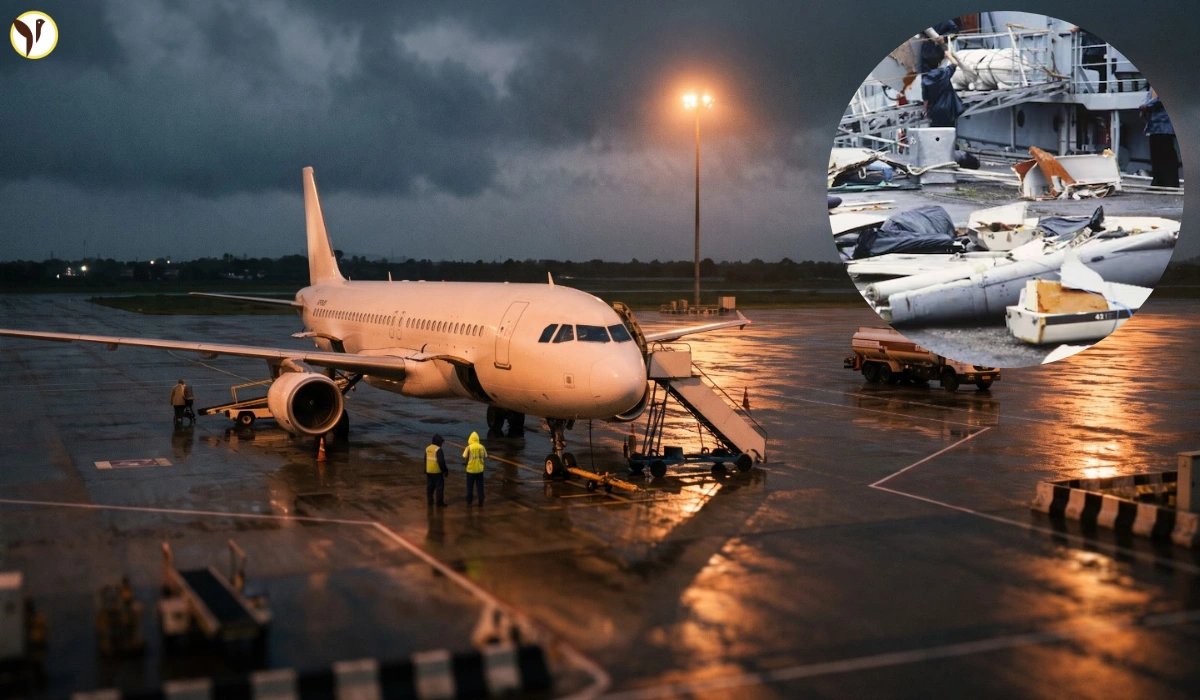
Road travel proved especially hazardous. Several coastal routes in Northern Ireland were closed after trees were blown down, while flooded rural roads across southwest England became impassable. Airports reported delays linked to wind conditions, though widespread cancellations were avoided. National Rail warned passengers to expect disruption through Friday as inspection and repair work continued.
Snow Adds to Northern and Highland Risks
While flooding dominated headlines in the south, snow created serious challenges in northern England and Scotland. The Pennines, southern Scotland, and the Highlands recorded snowfall accumulations of 10–20cm on higher ground, with 2–5cm even at lower elevations. These conditions increased the risk of stranded vehicles and isolated communities, particularly overnight.
Emergency Services Highlight Hidden Dangers
Rescue operations during Storm Chandra underscored a recurring risk: motorists underestimating floodwater depth and force. Emergency responders repeatedly stressed that even shallow water can sweep vehicles away. Along Northern Ireland’s east coast, wind gusts of up to 75mph added to dangers for drivers and pedestrians alike.
Officials urged the public to avoid unnecessary travel and to wait for professional assistance rather than attempting self-rescue in flooded areas.
OTHER ARTICLES TO READ:
- Is Aryan Khan Show Now Legally Safe After Sameer Wankhede Case?
- Baby Name Revealed: Bharti Singh Shares Special Family Moments
- When Is the IND vs NZ T20 Finale: Key Players, Venue & Series Update
- Is Your WhatsApp Account Really Safe After the New Security Update?
- What Went Wrong With Melania Trump’s Documentary Release?
- Beauty 2 The Streetz Founder Shirley Raines Dies Suddenly: What Really Happened?
- Who Is Jacorey Bynum and How His Viral Game Against Carlsen?
After the Storm: Recovery Won’t Be Instant
Storm Chandra followed closely after earlier winter systems, including Storm Goretti, leaving ground conditions exceptionally saturated. Power interruptions and minor outages were reported in pockets, with some communities facing extended cleanup as water recedes slowly.
The Met Office noted that while the worst of the storm has passed, residual impacts—from damaged infrastructure to unstable riverbanks—will take time to resolve.
Practical Guidance for Indian Travellers and Families
For Indian students, professionals, or families with relatives in the UK, staying informed remains essential. Authorities recommend:
-
Monitoring Met Office alerts via the official app
-
Checking school and university portals for closure updates
-
Tracking flight status for UK–India routes, particularly via Heathrow and Gatwick
-
Keeping emergency contacts and local council updates handy
Drivers are advised to carry a basic flood safety kit, including a torch, power bank, blankets, water, essential medication, and a battery-powered radio.