
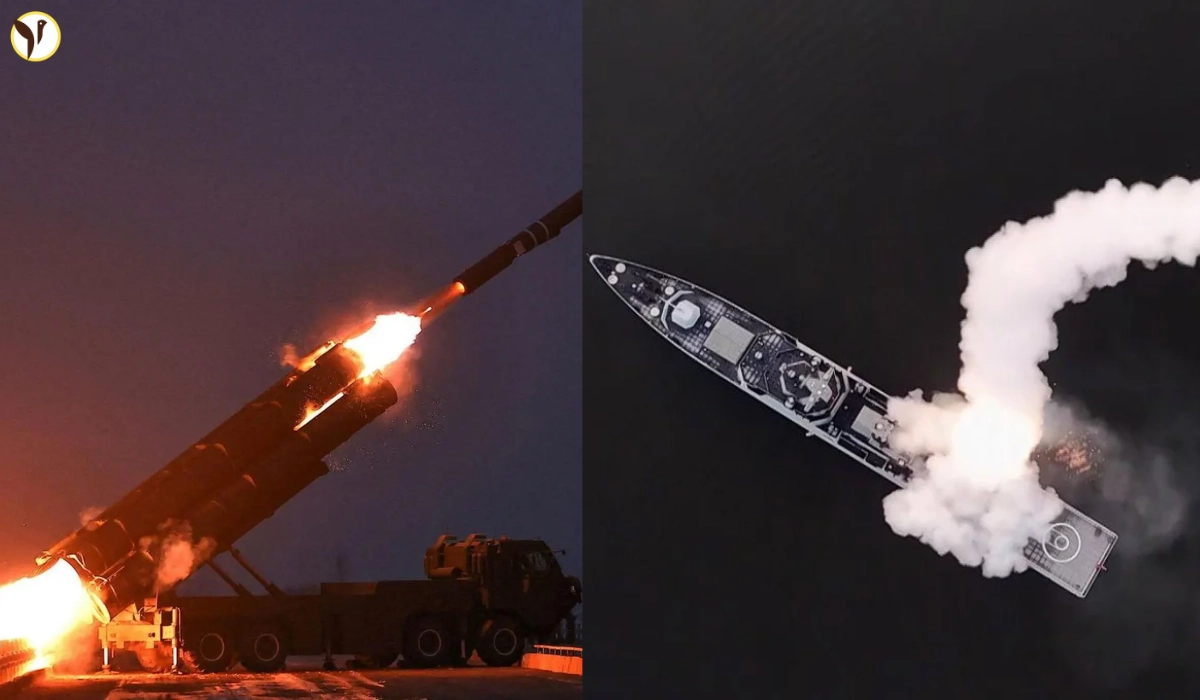


Tensions rose in East Asia on March 14, 2026, after North Korea launched suspected ballistic missiles that landed in the Sea of Japan. Military authorities in Japan and South Korea detected the launches early Saturday and confirmed that the projectiles splashed down in open waters. No damage or injuries were reported, but the test quickly drew attention from governments across the region. The launch happened while the United States and South Korea were conducting large-scale joint military exercises. Although missile tests from North Korea are not uncommon, the timing of this launch has renewed concerns about security tensions on the Korean Peninsula.
What Happened in North Korea Missile Launch Today
Early Saturday morning, radar systems in Japan and South Korea detected unusual activity from North Korea’s eastern coastline. According to military officials, one or more suspected ballistic missiles were launched toward the Sea of Japan. The projectiles traveled across open water before landing far from populated areas or shipping routes.
Japan’s defense authorities stated that the missiles followed an unusual trajectory, though they did not reach extreme altitude or distance. South Korea’s military also confirmed the launch, referring to the projectiles as “unidentified ballistic missiles” fired toward the sea.
Authorities in Tokyo quickly reassured the public that the missiles landed outside Japan’s exclusive economic zone, an area where the country holds rights to fishing and energy resources. Based on the flight pattern, analysts believe the test likely involved one or two short-range missiles similar to systems North Korea has tested in previous years. These launches often serve both technical testing and political signaling purposes.
🚨 BREAKING :
— Learn Amanda (@learnamanda_) March 14, 2026
North Korea launches ballistic missile toward the Sea of Japan.
The missile fell into the sea with no reported damage, but Japan issued an emergency alert and South Korea’s military went on high surveillance.
The launch comes amid ongoing US–South Korea military… pic.twitter.com/IHeVUs8ksE
Sea of Japan missile path raises questions about safety or strategy
The Sea of Japan lies between the Korean Peninsula, Japan, and Russia, making it a frequent destination for North Korean missile tests. Launches from North Korea’s east coast typically follow an eastward trajectory before landing in deep waters far from populated land.
Early estimates suggest the missiles may have traveled several hundred kilometers before splashing down. Japan’s coast guard and defense forces tracked the flight path carefully and confirmed that there was no immediate risk to commercial aircraft or maritime traffic.
Launching missiles into this area allows North Korea to test weapons without directly crossing into another country’s territory. Similar tests earlier in 2026, including launches in January, followed comparable patterns. Analysts say Saturday’s trajectory appeared slightly lower and more curved than some earlier tests, which could indicate adjustments in missile design or testing parameters.
US South Korea Drills Spark North Korea Response
The missile launch coincided with the ongoing Freedom Shield military exercises conducted by the United States and South Korea. These large-scale drills involve thousands of troops along with fighter aircraft, tanks, and naval forces practicing joint defense scenarios. North Korea has consistently criticized these exercises, describing them as rehearsals for a potential invasion. Pyongyang frequently responds to such drills with weapons tests or military demonstrations. This pattern has appeared many times over the past decade. Whenever joint exercises intensify, North Korea often conducts missile launches or artillery tests to signal its opposition. South Korea’s military acknowledged the timing but emphasized that the situation remained under control. Officials stated that defense forces are monitoring developments closely while maintaining readiness.
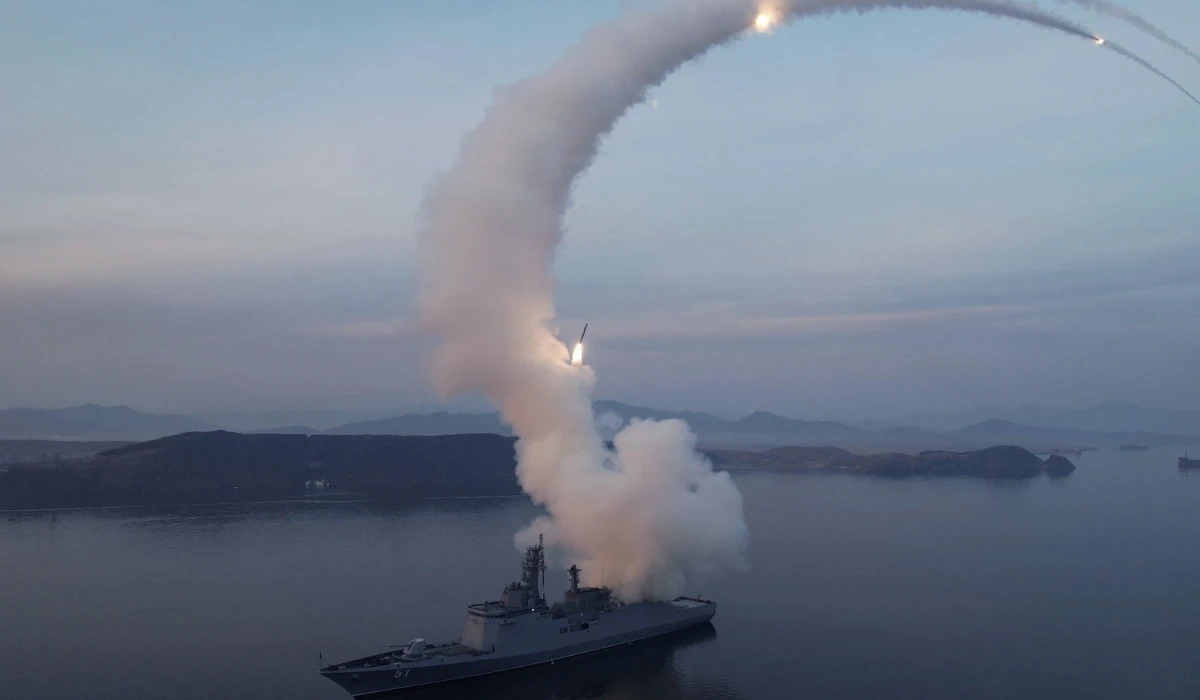
Kim Jong Un’s Missile Move: Warning to Rivals or Strategic Signal
The political message behind the launch remains a key question. North Korean leader Kim Jong Un frequently uses missile tests to demonstrate military capability and send signals to rival governments. State media in Pyongyang has not yet released detailed commentary about the launch. However, analysts believe the move is intended to send a message to both Washington and Seoul during the ongoing military exercises.
Observers are also watching how the situation might influence diplomacy with the United States. During the presidency of Donald Trump, high-profile summits between Washington and Pyongyang temporarily reduced tensions, though long-term agreements were never finalized. For now, the launch appears designed more as a show of strength than an immediate threat.
Japan issues defense alert after North Korea missiles land in Sea of Japan
Japan’s government responded quickly after the launch was detected. Officials in the Prime Minister’s office confirmed the missile activity and coordinated updates with the country’s defense ministry. Japan’s defense minister described the launch as a move that threatens stability in the region. While the missiles did not pose a direct danger to Japanese territory, authorities issued precautionary notifications to ships operating in nearby waters.
Japan maintains advanced radar and missile-tracking systems connected with U.S. military infrastructure in the region. These systems allowed defense officials to track the missile trajectory from launch to impact. Public broadcasters such as NHK reported that the missiles fell safely into the sea without approaching populated areas. Even so, incidents like this often revive memories of earlier periods of tension when North Korean missiles flew closer to Japan’s airspace.
Instructions by the Prime Minister in Response to the Missile Launch by North Korea (13:30) pic.twitter.com/s447obl1FB
— PM's Office of Japan (@JPN_PMO) March 14, 2026
Global Reactions to North Korea Ballistic Missile Test
Governments around the world reacted cautiously as news of the launch spread. International organizations including the United Nations may review the situation, particularly because ballistic missile tests by North Korea violate several UN Security Council resolutions.
Regional powers are also closely watching developments. China, North Korea’s most influential ally, has historically called for restraint from all sides while avoiding direct criticism of Pyongyang. Russia has also urged diplomatic solutions during past missile incidents.
South Korea reaffirmed its security partnership with the United States, emphasizing cooperation in monitoring future missile activity. Global financial markets showed little immediate reaction, though analysts note that continued military escalation could affect regional stability.
Other Articles to Read:
- AI Video or Real Footage? Viral Benjamin Netanyahu Clip Fuels Online Confusion
- What a Race: George Russell Wins Dramatic Chinese F1 Sprint Race
- Chaz Bono and Shara Blue Mathes Wedding – Inside the Glam Hollywood Wedding
- Kuldeep Yadav Wedding: Who Is Vanshika Chaddha, the Spinner’s Bride?
- Celebrity Jeopardy! Season 4 Episode 1 Recap: See Full Schedule & Free Streaming Options
- “It’s My Loss”: Anil Kapoor Opens Up on Rejecting ‘Dhurandhar 2’ Cameo
What North Korea Missile Means for East Asia Peace
In the short term, the latest launch is unlikely to trigger immediate escalation. Military exercises between the United States and South Korea are expected to continue as planned, and defense officials say the missile launch did not pose a direct threat. However, each test adds pressure to an already fragile security environment in East Asia. Diplomats and analysts continue to debate whether renewed negotiations with North Korea could reduce tensions or whether further weapons development will intensify the regional arms race. The Korean Peninsula has long been one of the world’s most sensitive geopolitical flashpoints. Events like Saturday’s launch serve as reminders that even routine missile tests can quickly draw global attention.