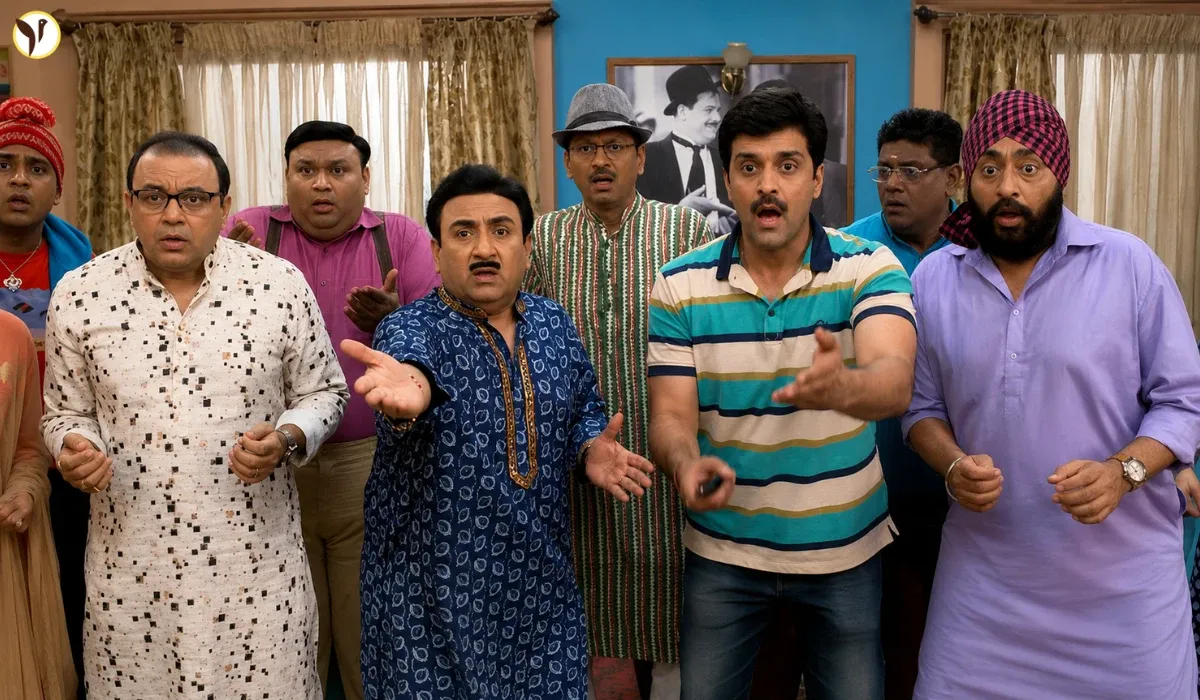
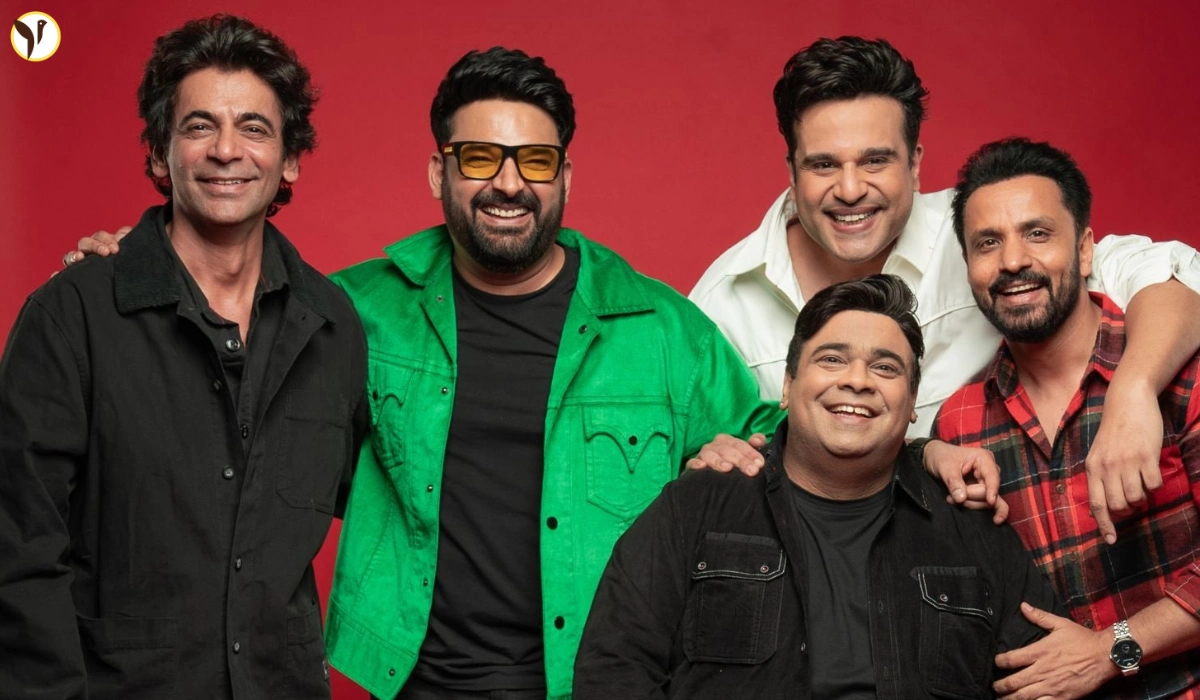


Season 4 of The Great Indian Kapil Show, a beloved comedy series featuring Kapil Sharma, has been struggling with declining viewership both in India and across the globe. This drop is especially notable given the show’s previous success and its established fan base. Understanding the reasons behind this dip in popularity can provide insight into the changing preferences of audiences and what the show’s future might hold.
The comedy show has been a long-time favorite for millions, but as its global appeal starts to wane, questions arise about the future of such mainstream shows in an increasingly digital and diverse media landscape.
Background: The Rise of The Great Indian Kapil Show
When The Great Indian Kapil Show first aired in 2013, it quickly became a staple of Indian television. With its light-hearted humor, celebrity appearances, and relatable sketches, it won viewers' hearts across the nation. The show, hosted by Kapil Sharma, became a go-to for both family entertainment and celebrity gossip. It was the kind of show that united people across different age groups, making it one of the top-rated TV programs in India.
As the show gained popularity, its success extended beyond India, especially in markets where the Indian diaspora is prominent, such as the United States, the UK, Canada, and the Middle East. For many, it became a link to their roots, offering a blend of comedy and cultural reference points familiar to Indian audiences abroad.
Why Season 4 Is Struggling
While the early seasons of the show enjoyed consistent viewership growth, Season 4 has seen a noticeable drop in ratings, both in India and internationally. A combination of factors is believed to be contributing to this decline:
-
Changing Audience Preferences: The entertainment landscape has evolved, and audiences are turning increasingly to streaming platforms, where they have access to a wider variety of content, including international programming. Shows on platforms like Netflix, Amazon Prime, and Disney+ Hotstar offer more diverse content, from drama and reality TV to stand-up specials, which might be siphoning viewers away from traditional TV formats.
-
Saturation of Format: After four seasons, some viewers may be feeling a sense of repetitiveness in the show’s format. The celebrity-driven episodes, comedy sketches, and musical numbers may no longer be as fresh, leading to a decrease in excitement for the show.
-
Competition from Digital Content Creators: The rise of online influencers and digital comedians, especially on platforms like YouTube, Instagram, and TikTok, has also affected the traditional TV viewership. Many younger viewers are more inclined to watch bite-sized, on-demand content rather than tuning in for an entire episode of a televised show.
-
Shifts in Global Viewing Habits: While The Great Indian Kapil Show was once a fan-favorite globally, the shifting viewing habits, especially during and post-pandemic, have contributed to the decline. Viewers abroad are spending more time on international shows, with content from different cultures and languages becoming more accessible than ever before.
What This Means for the Show Going Forward
The drop in viewership for The Great Indian Kapil Show is not necessarily an indication of a permanent decline, but it does signal that the show may need to rethink its approach if it is to remain relevant. Television in India, and globally, is experiencing major transformations, with audiences demanding more flexible, diverse, and engaging content. For shows like The Great Indian Kapil Show, staying relevant will require:
-
Adapting to Digital Trends: With streaming services taking a larger share of global audiences, the show might benefit from a shift towards hybrid content – streaming episodes on platforms alongside traditional TV broadcasts.
-
Incorporating Fresh Ideas: To regain the interest of both loyal fans and new viewers, the show may need to evolve its format or introduce new elements that feel more aligned with current entertainment trends. This could include collaborations with digital influencers or even revisiting past successful sketches with a modern twist.
-
Engaging Younger Audiences: The show has long been popular with families, but younger viewers are now looking for content that speaks more directly to them. Focusing on content that resonates with the youth and incorporates digital culture could help bring a fresh lease of life to the show.
OTHER ARTICLES TO READ:
- Yash’s ‘Toxic’ Teaser: Dark, Violent, and Jaw-Dropping Action!
- Top 10 Highest-Paid Brand Ambassadors in India for 2026 Revealed!
- Varun Dhawan Hits Back at Fan's Criticism on Recent Films!
- iPhone Joy Turns Deadly: 3 Delhi Friends Die in Murthal Crash
- Why Did Trump Say PM Modi Is Unhappy Over Tariff Payments?
- Aamir Khan Was Angry on Sunil Grover? The Full Drama Unfolded!
- Nupur Sanon and Stebin Ben Get Engaged Ahead of Udaipur Wedding
- Abhishek Malhan Denies Engagement Rumours with Jiya Shankar
Viewership Trends: A Look at the Bigger Picture
The trend of TV shows facing declining viewership isn’t unique to The Great Indian Kapil Show. Globally, traditional TV networks have struggled as digital content consumption increases. Shows that once dominated the ratings have seen their numbers fall as viewers flock to platforms like YouTube, where they can access free and shorter content. With the increasing popularity of digital platforms offering on-demand and ad-free content, the format of traditional TV shows needs to adapt to the changing times.
This shift in consumer behavior is also evident in India, where OTT platforms have experienced rapid growth in recent years. The trend is likely to continue as more people access content on mobile devices and smart TVs. Shows that are able to integrate interactive, binge-worthy elements, alongside short-form content, are seeing a rise in viewership, while others like The Great Indian Kapil Show face challenges in keeping up with this demand.
Conclusion
As The Great Indian Kapil Show faces declining global viewership, it’s clear that the television industry must evolve to meet the changing needs of its audience. While the decline in ratings may signal the end of an era, it also provides an opportunity for reinvention. If the show can adapt to the digital era, embrace new formats, and continue to engage viewers with fresh, relevant content, it may yet regain its place as a top entertainment choice for audiences around the world.