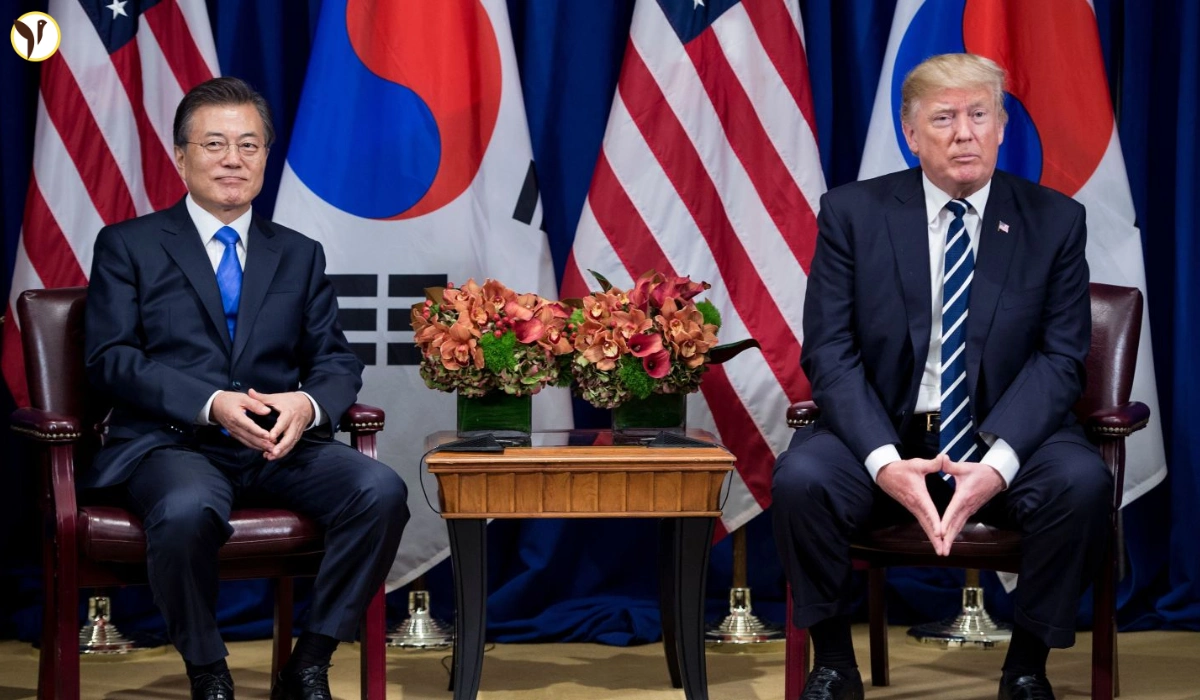


The US President Donald Trump recently announced a significant increase in tariffs imposed against South Korea, increasing from 15% to 25%. The decision affects major export categories including automobiles, pharmaceuticals, and industrial products. The move has drawn attention across global markets, with early reactions seen in South Korean stocks and trade sentiment. While Seoul prepares for discussions with Washington, the development is being closely watched across Asia. India, in particular, could see indirect effects from the shift in US trade policy.
Why Trump Raised Duties on South Korean Goods to 25%
Trump raised tariffs after South Korea delayed approving a key $350 billion trade and investment deal with the US. The agreement promised large Korean investments in American factories in exchange for lower import duties. While tariffs were cut to 15% last year, the deal is still awaiting approval from South Korea’s parliament. Trump said the delay showed a lack of commitment. As a result, he announced a return to higher tariffs under his “fair trade” policy. The move was revealed through his Truth Social post on January 26.
🚨BREAKING: President Trump slaps 25% tariffs on South Korean cars, pharmaceuticals, and lumber after Seoul delays the trade deal.
— cryptothedoggy (@cryptothedoggy) January 27, 2026
This isn’t just a tariff, it’s a message.
Auto supply chains will feel it first, pharma margins next, and housing materials right after.
Markets… pic.twitter.com/ZUqLKpHlcF
South Korea Auto Tariffs: Hyundai and Kia Face Higher Costs in US Market
Automobiles are among the biggest casualties of the tariff increase. South Korea exports millions of vehicles to the US every year, with brands like Hyundai and Kia heavily reliant on American buyers. With tariffs now at 25%, the cost of imported Korean cars could rise by thousands of dollars per vehicle. This may reduce demand and force companies to rely more on US-based production facilities. Shares of Hyundai and Kia initially fell following the announcement before recovering slightly as investors assessed the situation.
Pharma Tariffs Impact: How US Duties Hit Korean Drug Exports
Pharmaceutical exports are another key area affected by the tariff hike. South Korea supplies a range of medicines and active pharmaceutical ingredients to the US market. Higher tariffs could increase costs for American drugmakers and healthcare providers. Some Korean pharma firms have reportedly paused shipments to review tariff rules, while others are exploring alternative markets. Industry experts warn that the move could disrupt global supply chains, especially for essential and specialty medicines.
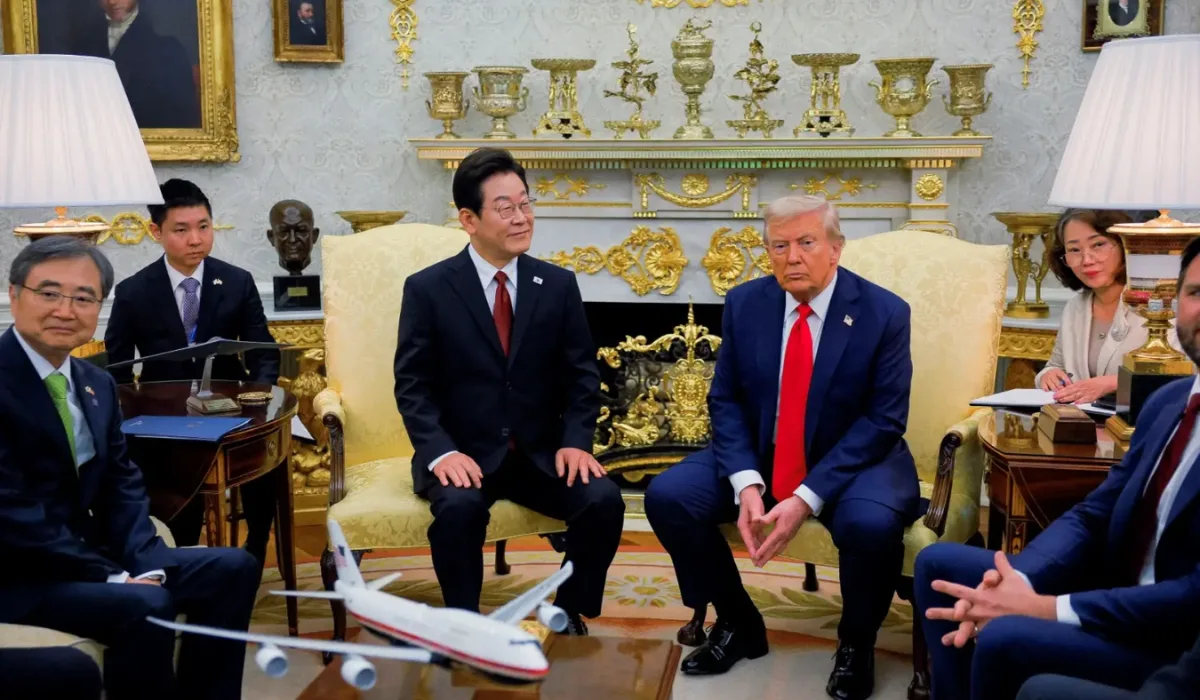
South Korea Legislature Delay: Timeline of the $350 Billion Trade Deal
- July 2025: US reduces tariffs on South Korean goods to 15%
- October 2025: $350 billion investment deal announced
- November 2025: Agreement sent to South Korea’s National Assembly
- January 26, 2026: Trump announces tariff hike to 25%
South Korea’s economy grew at just 1% last year, increasing pressure on lawmakers to balance domestic concerns with international commitments. A vote on the deal is expected in the coming weeks.
India US Trade Impact: How India Could Benefit From South Korea Tariffs
India is not directly targeted by the new tariffs, and analysts say this could work in its favor. As South Korean goods become more expensive in the US, Indian exporters may gain market share in sectors such as automobiles, pharmaceuticals, steel, and textiles. India–US trade crossed $120 billion last year, and the latest shift could further strengthen bilateral commerce if Indian firms move quickly to fill supply gaps.
Global Trade Impact 2026: How Asia Reacts to Trump’s Tariff Move
Asian markets reacted cautiously to the announcement. South Korean stocks dipped initially, while the won weakened slightly against the dollar. Global markets remained largely stable, supported by strong US tech earnings. Trade analysts say the decision highlights growing uncertainty in global trade policy as countries reassess supply chains and export strategies.
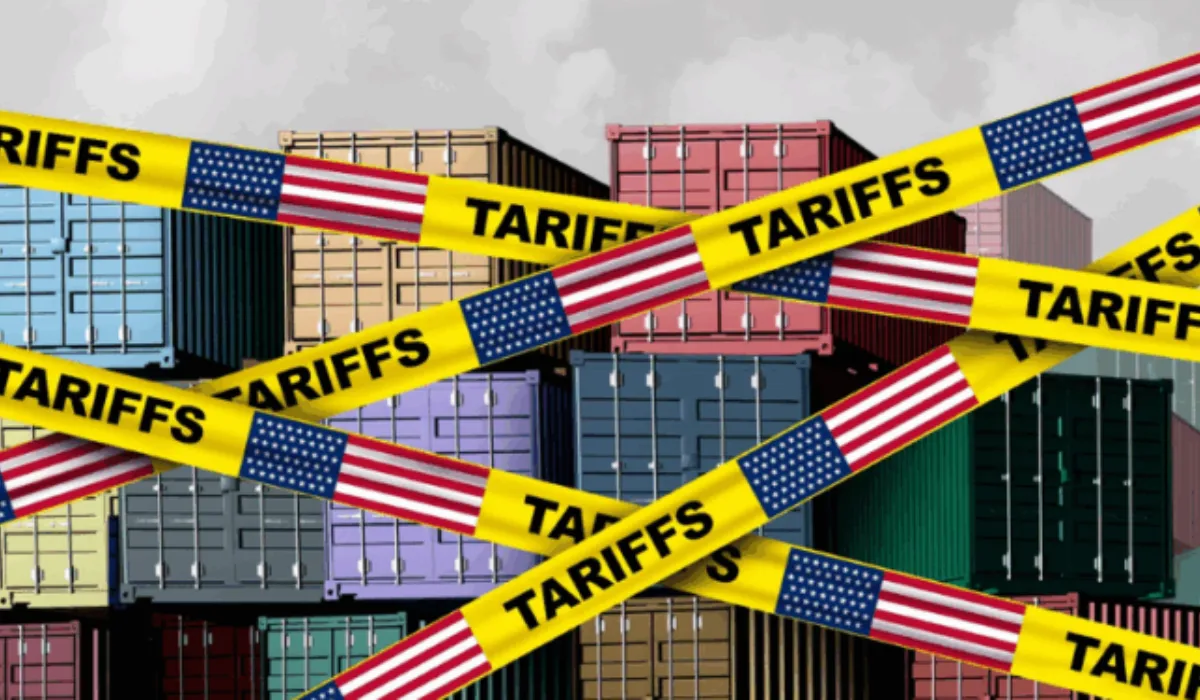
Why India Is Not Targeted by Trump’s Latest Tariffs
Unlike South Korea, India has avoided delays in trade commitments with the US in recent years. Earlier tariff disputes were resolved through negotiations, helping India maintain stable access to the American market. India’s export mix—dominated by pharmaceuticals, IT services, and engineering goods—also shields it from sudden tariff shocks.
OTHER ARTICLES TO READ:
- Mahindra Thar ROXX Star Edition Signals a New Style Direction
- Has Border 2 Set the Highest Opening Benchmark of 2026?
- Is Tere Ishq Mein Really Releasing on OTT This Week?
- Who Are the Oscar 2026 Nominees? Complete List Revealed
- Netflix February 2026 Releases: Full List of Upcoming Series You Can’t Miss
- The Family Man Season 4: Will Srikant Tiwari Return Soon?
- Yuzvendra Chahal Unfollows RJ Mahvash: What Really Happened Between Them
- 7 Epic Smartphones Dropping in February 2026 – The Future of Tech!
- 56 Days Trailer Out: Dove Cameron & Avan Jogia’s Shocking Truth Revealed?
India Export Opportunities After US Tariffs on South Korea
Indian exporters are now being advised to track demand shifts in the US market, strengthen compliance with American quality standards, and expand partnerships with US buyers. Government officials have indicated that trade opportunities may emerge across multiple sectors. If the tariffs remain in place, India could see a meaningful increase in exports as US buyers look for alternative suppliers.