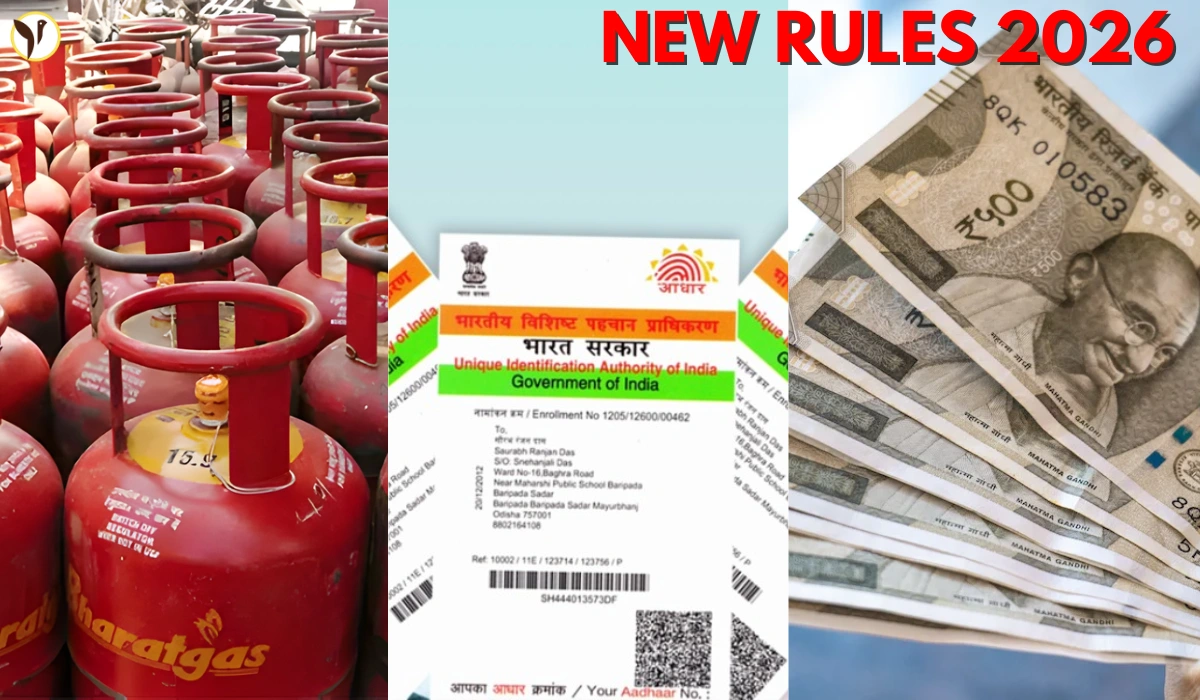


The year 2026 has started with several important rule changes that directly affect daily expenses and lifestyle across India. From higher LPG prices and costlier cars to changes in train ticket bookings and salary-related updates, They brought multiple updates that impact households, businesses, and commuters alike. While some changes may increase monthly expenses, others bring a bit of relief, such as lower aviation fuel prices and possible salary hikes for government employees. This article explains the major changes in simple terms, how they affect you, and what you can do to stay prepared.
New Rules 2026 in India: Major Changes Effective from January
Several new rules came into effect at the start of the year. Below are the key updates that people across the country are discussing:
Increased Commercial LPG Cylinder Pricing
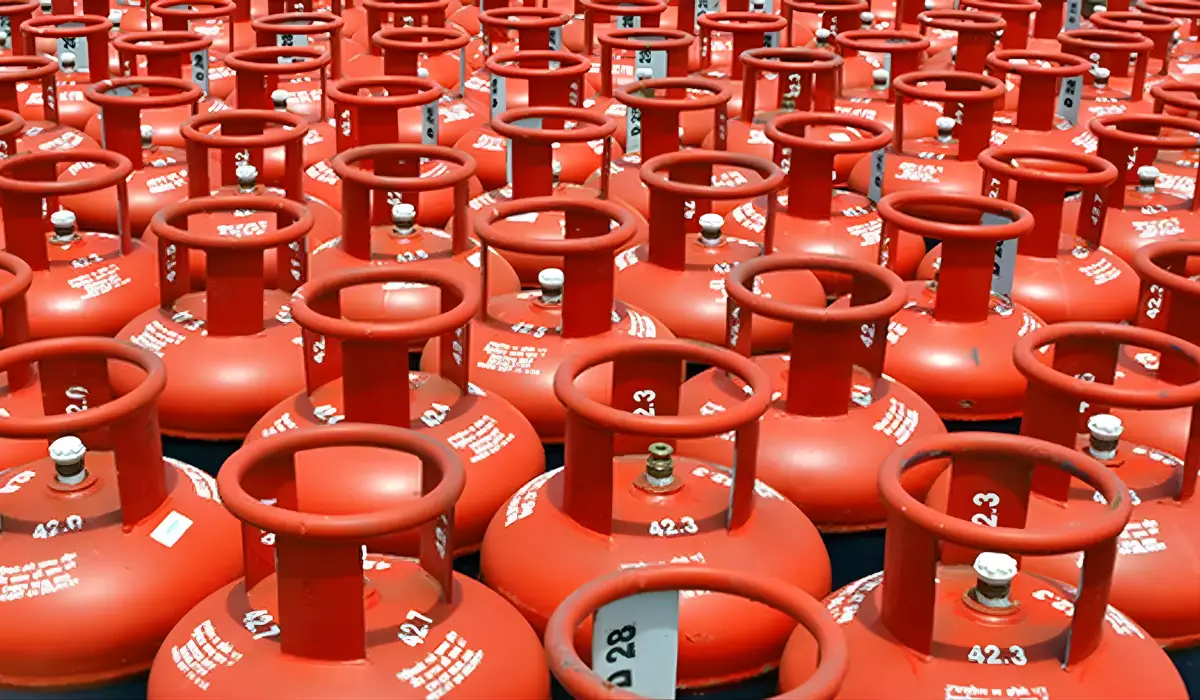
On January 1, 2026, the price increase of ₹111 in the 19 KG commercial LPG cylinders ₹1,691.50 in Delhi and ₹1,642.50 in Mumbai. It will have an immediate impact on business which utilizes commercial gas in the kitchen serving food to patrons. Many establishments that cook for the public, such as restaurants and cafés, may rethink their pricing and ultimately raise the price of their food. This will affect the smaller vendor most severely, as their fuel expenses account for a larger percentage of their overhead.
Car Prices Increased Across Major Brands
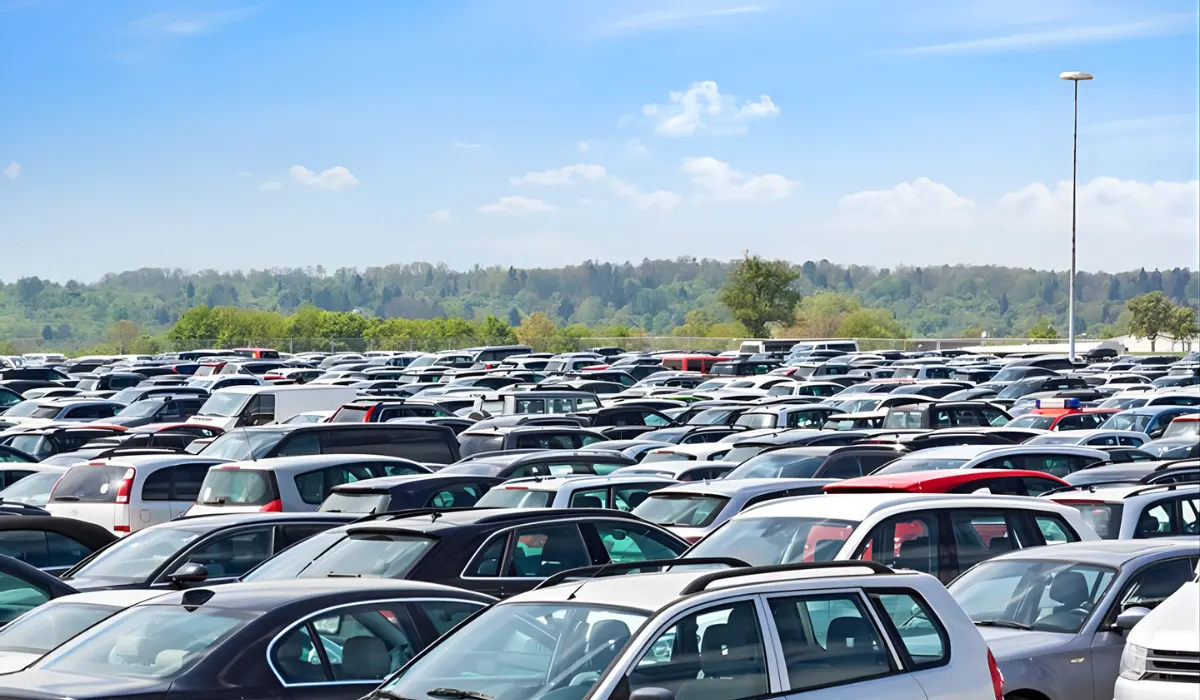
New vehicle purchases have become significantly more expensive in 2026, many popular auto manufacturers have raised their vehicle pricing as of January. For instance, Mercedes, Nissan, MG Motor & Hyundai are reporting price increases averaging between 0.6%-3% across all brands. The majority of price increases are tied to the cost of raw materials, transportation and input costs. Buyers will experience increases in both the Manufacturer's Suggested Retail Price at the dealer showroom and the monthly payments on their vehicle loans. Those that are interested in purchasing a new vehicle could wait for the upcoming festive discounts or could consider visiting manufacturers who are offering hybrid/electric models or those companies whose vehicles are conversely considered more fuel efficient.
Aviation Fuel Prices Reduced
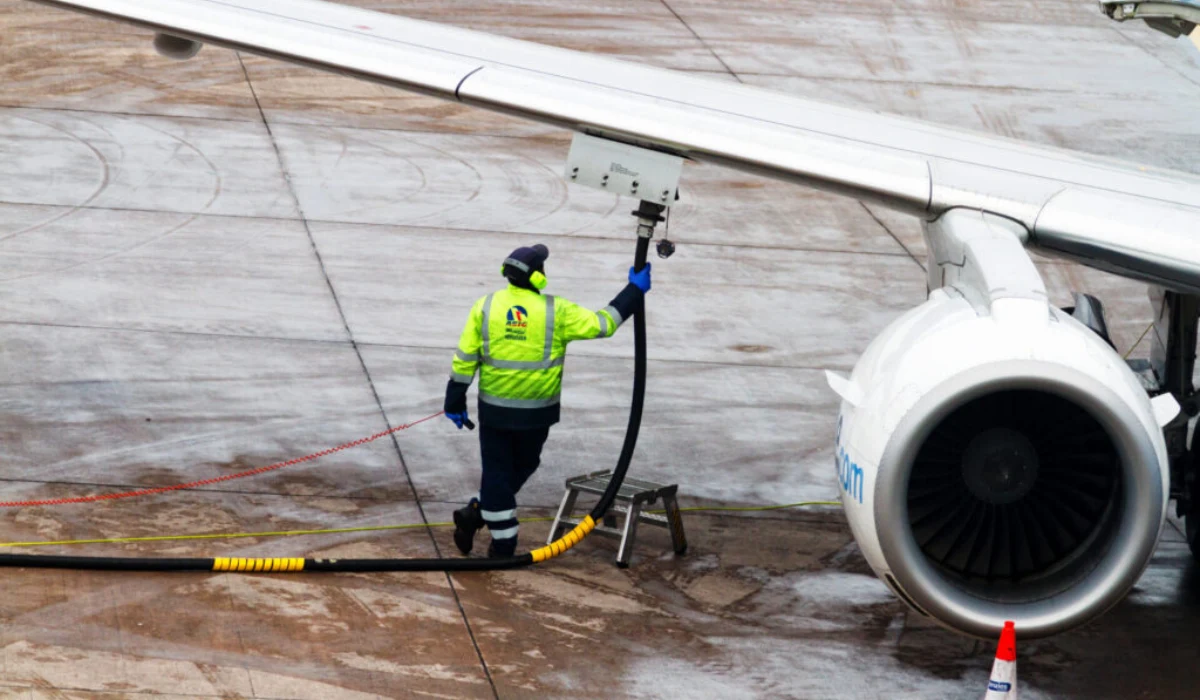
A small relief has come from the aviation sector, where Aviation Turbine Fuel (ATF) prices were reduced at the beginning of the year. In Delhi, ATF prices dropped to around ₹92,323 per kilolitre. Although airfare prices do not drop immediately, airlines may pass on the benefit gradually. Travelers booking flights in the coming weeks, especially during off-peak days, could find slightly lower ticket prices. This is a positive sign for frequent flyers and the travel industry.
Aadhaar Mandatory for Certain Train Bookings
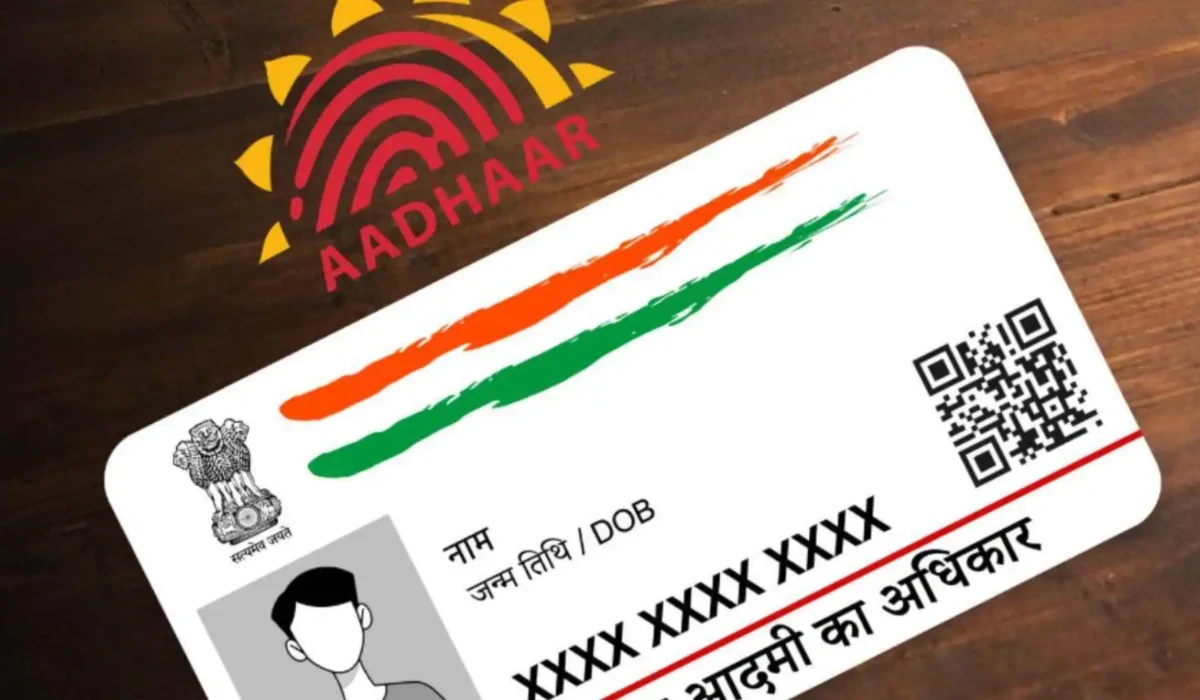
All Indian Railways ticket purchases made online through the IRCTC website will require the linking of Aadhaar to an applicant's railway account beginning January 12, 2026. In peak travel seasons, passengers who have not yet verified their Aadhaar may not be able to book trains using an IRCTC account. The process of linking your Aadhaar number to your IRCTC account is fairly straightforward and can be done online in just a few minutes. The primary purpose for requiring the Aadhaar linking process is to eliminate fraudulent activity concerning ticket purchases and provide equitable access to tickets. It is highly encouraged that all travelers complete this step well in advance to avoid any issues related to verification close to their travel date.
8th Pay Commission Brings Salary Hike Expectations
Government employees have reasons to be optimistic as discussions around the 8th Pay Commission continue. Salary structures may see a significant revision, with overall pay packages expected to rise noticeably. If implemented as expected, salaries could increase substantially, along with improvements in allowances and benefits. While the final structure is yet to be announced, this move could boost spending power and positively impact the economy.
Impact on Small Businesses and Daily Consumers
The implementation of the 2026 regulations will likely have a more significant impact on small business owners than large corporations. The increased cost of liquefied petroleum gas (LPG) and increased transportation costs will likely result in a marginal increase in price for food, services, and other everyday items. These changes will result in an increase in household expenses for consumers over the next few months, so being aware of these changes will allow individuals to better prepare to manage their spending and lessen the chance of unexpected budget shocks.
How These Policy Changes Support Long-Term Economic Stability
Many of the 2026 rule changes aim to support sustainable growth and financial discipline. Price adjustments help government-run and regulated sectors manage rising costs without losses. Digital and identity-based rules improve efficiency and reduce fraud in services like transport and bookings. Salary-related discussions are intended to boost purchasing power and support economic activity. Overall, these measures are designed to create a more stable and organised system over time.
OTHER ARTICLES TO READ:
- GATE 2026 Admit Card Postponed: When and How to Check
- Prabhas' Shocking New Avatar in Spirit Sparks Wild Reactions
- Kullu Road Accident Turns Celebration into Tragedy, Four Friends Dead
- When Is India Playing Next? Full 2026 Cricket Schedule
- What’s Happening in Indore? Water Contamination Crisis Explained
- Shah Rukh Khan Called a ‘Traitor’ by BJP Leader: Controversy Explained
- Did CBSE 2026 Exams Get Postponed? Check Full Details
- Gig Workers Call NYE Strike: Will Swiggy & Zomato Deliver in Your City?
- Did Veer Pahariya Get Upset? Orry Reacts to Tara Sutaria’s AP Dhillon Kiss
- Priyanka Gandhi's Son Raihan's Secret Engagement: With Aviva Baig
How to Manage Your Budget Amid New Rules 2026
With rising prices in some areas and relief in others, financial planning becomes important. Tracking monthly expenses, adjusting discretionary spending, and planning major purchases carefully can help balance the impact. Being aware of policy changes allows individuals to make informed decisions and avoid unnecessary financial stress.