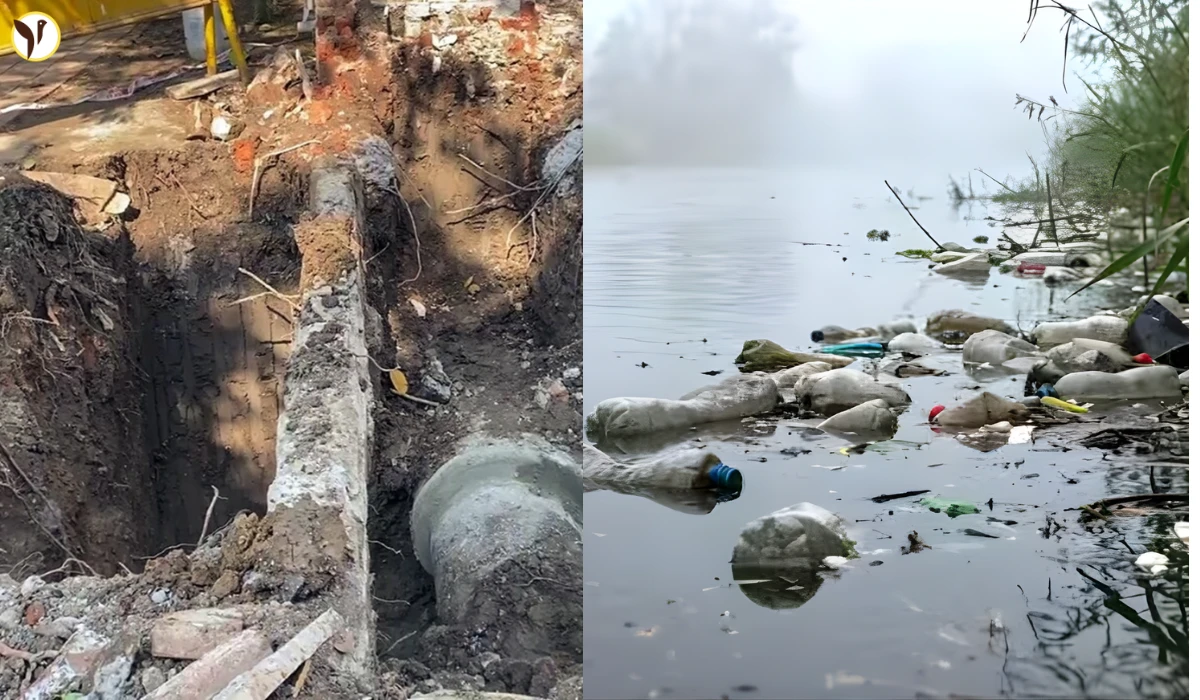


Indore is facing a major public health scare after sewage-contaminated water entered household taps in one of its residential areas. Residents reported foul-smelling and discoloured water days before people began falling seriously ill. The contamination led to widespread stomach infections, forcing authorities to rush emergency medical aid and water tankers. Officials have since sealed the source of contamination, but the incident has raised serious questions about Indore’s underground water infrastructure and safety monitoring systems.
How the Indore Water Contamination Started
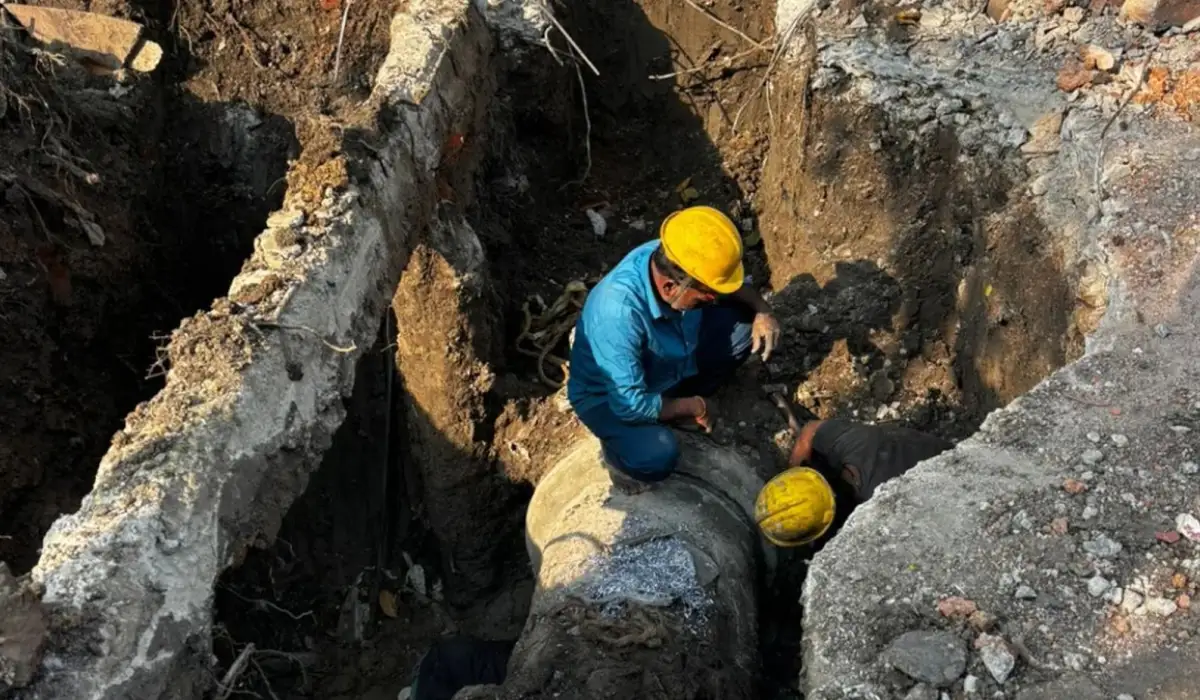
Bhagirathpura is the source of this contamination due to a broken underground pipe which allowed Raw Waste Water to interconnect with the Narmada Drinking Water Supply within Bhagirathpura City. Because of this crack that went unnoticed, the contaminated water entered people's homes directly. There were initial complaints from the people regarding the taste and smell; however, the situation took a turn when individuals began developing severe infections of the stomach.
Indore: India’s Cleanest City Faces a Hidden Water Crisis
Indore has long been celebrated as India’s cleanest city, winning multiple Swachh Survekshan awards for its tidy streets and efficient waste management. However, the recent water contamination in Bhagirathpura has exposed a hidden weakness beneath the city’s clean image — ageing underground pipelines and poor monitoring allowed sewage to mix with the municipal drinking water supply. This incident highlights that surface cleanliness does not always reflect the safety of essential services, such as drinking water. Residents now face the challenge of rebuilding trust in the city’s water infrastructure while authorities work to prevent similar crises in the future.
What Happened in Indore’s Bhagirathpura After Water Contamination
The numbers of lives lost so far are 7, and the total number of people admitted for gastroenteritis from consuming tainted Water was 149. Health officials confirmed 149 cases of gastroenteritis plus 40+ cases not connected directly with the contaminated batch of Water. As quickly as possible, staff set up additional beds, delivered packets to help treat the affected, dispatched numerous ambulances and dug up the contaminated area. They repaired the damaged pipe, blocked the entry point and terminated the flow of toxic material. At the present time, large trucks are delivering safe, uncontaminated Water to the Bhagirathpura Town area more than 100 loads of safe Water being delivered via truckloads daily. Experts are now collecting and testing every single drop of Water provided. Although the Water is now flowing cleanly, people will still have residual injuries from this episode.
7 people died after a water contamination crisis struck India’s ‘cleanest’ city Indore, with sewage mixing into the municipal drinking supply after a pipeline leak in the Bhagirathpura area. #WaterContamination #Indore #PublicHealth #MadhyaPradesh #PeekTV pic.twitter.com/QBt1bDTuEP
— Peek TV (@PeekTV_in) January 1, 2026
Government Action and Political Response to Indore Water Emergency
Chief Minister, Mohan Yadav, termed the incident as a 'health emergency' and visited the affected area to assess the damage. The government has also promised compensation to the families involved and has waived the cost of treatment for patients. Following the incident, many officials received disciplinary action, while others were transferred from their positions. A formal investigation will take place to find out why the responses were not timely and who failed to maintain the water infrastructure.
Indore Water Contamination: High Court Orders Action
The High Court has also taken action regarding the water contamination situation in Indore. After a local representative submitted a petition about this case to the Madhya Pradesh High Court, the court found this situation so serious that it acted on its own. The Madhya Pradesh High Court directed all authorities involved to provide detailed reports on the issue and ordered the state government to pay for all medical expenses incurred by affected residents.
Health Risks of Drinking Contaminated Water
Consuming sewage-contaminated water can lead to gastrointestinal infections, dehydration, and long-term digestive issues. Infants, elderly, and immunocompromised residents are most vulnerable to severe complications. Immediate medical attention is crucial for anyone showing symptoms like vomiting, diarrhoea, or stomach cramps.
How Residents Can Protect Themselves from Water Contamination
- Boil drinking water for at least one minute before consuming it.
- Store boiled or filtered water in clean, covered containers.
- Use certified water purifiers or filters at home for extra safety.
- Immediately report foul smell, bad taste, or discoloured water to municipal authorities.
- Avoid drinking tap water directly if water pressure is low or supply is irregular.
- Stay extra cautious during summer months when pipeline issues are more common.
Other Articles to Read:
- Did Maren Morris Just Extend Her Tour? Here’s What Happened
- Shah Rukh Khan Called a ‘Traitor’ by BJP Leader: Controversy Explained
- Did CBSE 2026 Exams Get Postponed? Check Full Details
- Blues vs Avalanche: Live Stream, TV Channel, and Start Time
- Gig Workers Call NYE Strike: Will Swiggy & Zomato Deliver in Your City?
- Did Veer Pahariya Get Upset? Orry Reacts to Tara Sutaria’s AP Dhillon Kiss
- Priyanka Gandhi's Son Raihan's Secret Engagement: With Aviva Baig
- Why the New Malcolm in the Middle Teaser Is Breaking the Internet
- How Rich Is Beyonce Really? Her Net Worth Secret Finally Out
- Kumar Mangalam Birla on KBC 17 Hot Seat: What Shocked Big B