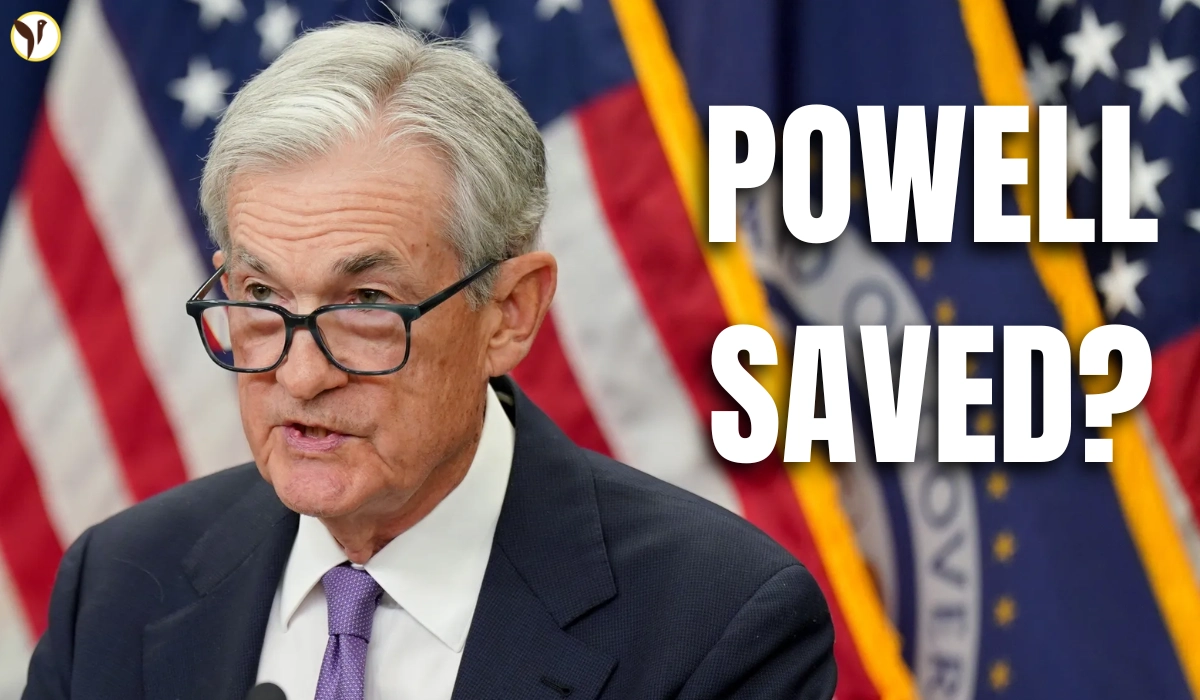


House Republicans were dealt a setback by a federal judge when they were denied an order to compel Federal Reserve Chair Jerome Powell to testify in court. This decision removes a political subpoena that could connect Powell with the banking collapse of 2023. The implications for your home, loans, and stocks are huge—please read on to learn why the success or failure of this case is significant today.
The Court Slam That Saved Powell's Focus
Judge Beryl Howell in Washington DC upheld her block on subpoenas demanding Powell's emails, notes, and testimony. House Financial Services Committee Chair Patrick McHenry wanted answers on Fed oversight failures behind Silicon Valley Bank (SVB) and Signature Bank collapses. Howell called the demands overly broad, protecting Fed independence. Ruling dropped April 3, 2026—appeal looms fast.
Powell, in his eighth year steering the Fed, dodged this bullet amid pressure to cut rates from current 4.5-4.75% range. Markets cheered with S&P 500 jumping 1.2%.
Flashback: 2023 Banking Crisis Ignited the Fire
SVB imploded March 2023 after $40 billion in bond losses from Fed rate hikes. Signature Bank followed, wiping $500 billion in deposits. Fed admitted supervisory gaps but blamed bank risk-taking too. Republicans screamed negligence; Powell testified 15 times voluntarily, sharing crisis timelines.
Subpoenas hit October 2023, seeking personal docs on bank exams. Democrats labeled it election-year grandstanding. Howell's January block cited separation of powers—now permanent unless appealed.
Why courts are cautious with central bank leaders
This is where things get interesting. The Federal Reserve isn’t treated like a regular government office.
Independence is critical
The Fed makes decisions on interest rates, inflation control, and financial stability. Courts are careful not to interfere with that process.
Legal threshold is higher
To subpoena someone in Powell’s position, courts expect strong justification. It must be clear that the information cannot be obtained elsewhere.
Avoiding disruption
Forcing the Fed Chair into legal proceedings could distract from responsibilities that affect the entire economy.
That combination explains why the court leaned toward protecting the institution
Federal Reserve Chair Jerome Powell today:
— Brian Allen (@allenanalysis) April 4, 2026
“There is effectively zero net job creation in the private sector.”
Zero. pic.twitter.com/HAM2A6h1at
Real Impacts on Indian Families
Planning a US trip or NRI FD? Powell's steady hand keeps dollar stable, tuition loans affordable. IT stocks (TCS, Infosys) with 60% US revenue rally on Fed calm. Homebuyers: Lock rates now if above 7%; refi wave hits post-June.
|
|
|
|
|
|
|
|
|
|
|
|
|
|
|
|
|
|
|
|
Why this decision is bigger than one case
Even though this looks like a legal technicality, it has wider implications.
Global financial impact
The Federal Reserve influences interest rates worldwide. Stability at the top matters to investors everywhere.
Precedent for future cases
If courts allowed such subpoenas easily, future lawsuits could target central bankers more aggressively.
Confidence in institutions
Markets rely on predictability. Legal uncertainty around leadership can shake confidence.
Other Articles to Read:
Final Thoughts
A rather obvious division is being made. At least for now, the federal court has ruled the Chair of the Federal Reserve will not be included in this litigation.
The litigation is ongoing and the resolution may change course upon appeal. This moment illustrates that government organisations including the Federal Reserve have an elevated level of "protection" in comparison to other organisations or entities; consequently, the First Amendment places a very high degree of scrutiny (care) on how courts will alter that balance.