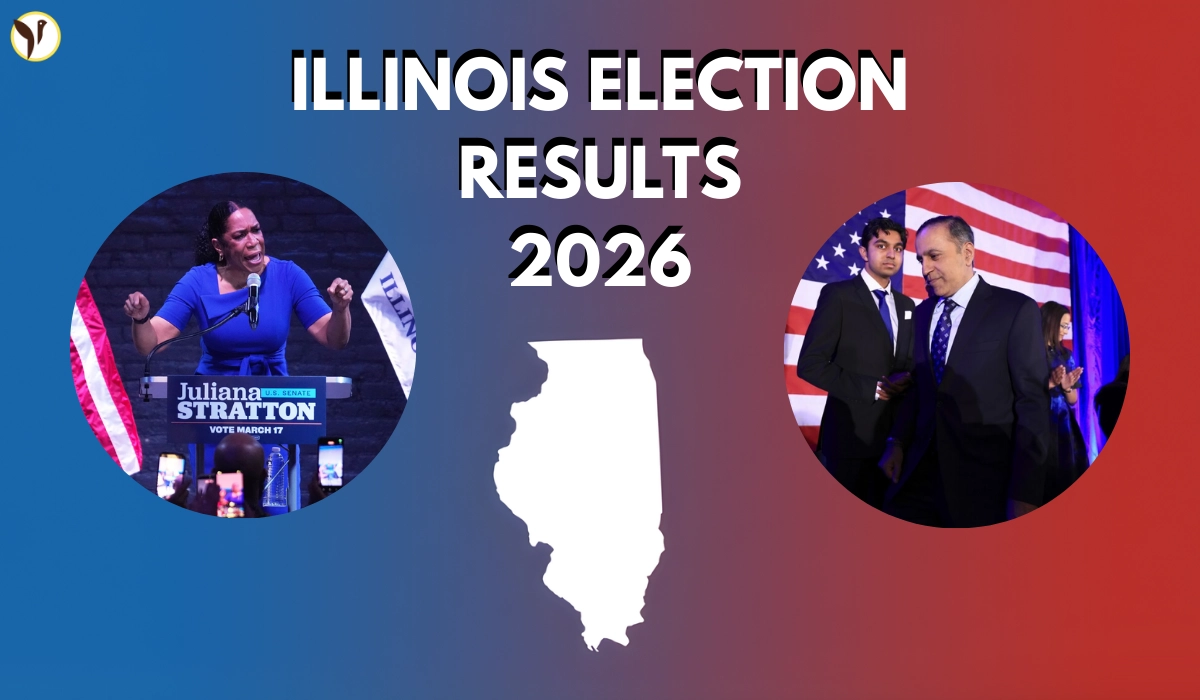


If you were tracking the Illinois election results through the night, the outcome is now clear. Juliana Stratton has secured the Democratic nomination for Illinois’ US Senate seat with 40.1% of the vote, pulling ahead of Raja Krishnamoorthi and Robin Kelly in a competitive three-way race. With over 90% of precincts reporting, the race has been called, and the focus now shifts to the general election where she will face Republican Don Tracy.
This result is bigger than just a primary win. It reflects how Illinois elections are shaped, where urban turnout can decide statewide races, and how party dynamics influence outcomes long before November.
Final Vote Snapshot: Full Primary Breakdown
Here’s the complete vote picture based on reported data:
|
|
|
|
|
|
|
|
|
|
|
|
|
|
|
|
|
|
|
|
|
|
|
|
|
|
|
|
|
|
|
|
|
|
|
|
|
|
|
|
|
|
|
|
|
|
|
|
Chicago Turnout Quietly Decided the Race
You don’t need complicated models to understand this result. Just look at Chicago.
Stratton built her lead where it matters most in Illinois Democratic primaries. In Chicago, she ran up a 15 to 20 point advantage across key precincts. That kind of margin creates a cushion that is very difficult for opponents to overcome.
Here’s how the regions shaped the outcome:
-
Chicago: Clear dominance by Stratton, driven by strong turnout and organized ground support
-
Suburbs: Competitive space where Krishnamoorthi performed well but couldn’t close the gap
-
Downstate: Lower turnout and fragmented voting patterns limited any meaningful impact
This follows a familiar pattern. In Illinois Democratic primaries, locking in Chicago almost always puts you in a winning position.
How Stratton Managed to Break Away From the Pack
This race wasn’t a landslide from the beginning. All three leading candidates had strong bases and resources. But a few key factors helped Stratton move ahead.
1. Familiarity with voters
As lieutenant governor, Stratton already had statewide visibility. That matters in a crowded race where voters often default to candidates they recognize.
2. Ground-level organization
Her campaign focused heavily on turnout in Cook County. That translated into real votes, not just polling numbers.
3. Consolidated support base
While both Krishnamoorthi and Kelly attracted strong backing, their voter bases overlapped in crucial areas. Stratton managed to unify support more effectively, especially among Black voters.
4. Stable campaign strategy
There were no major controversies or shifts in messaging. In a high-spending race, consistency worked in her favor.
Meanwhile, Krishnamoorthi’s campaign benefited from significant outside funding, including crypto-linked political spending, but that did not fully translate into votes. Kelly remained influential but couldn’t expand beyond her core base.
Voter Frustrations: Lines, Mail Delays, Access Rage
Illinois voters vented fury over primary chaos that suppressed turnout:
Mail-In Ballot Nightmare
-
New USPS processing delayed 12,000+ Chicago ballots
-
Democratic leaders warned voters March 8: postmark rules changed
-
8% rejection rate vs 2% in 2022 primaries
Polling Place Problems
-
47 Chicago sites understaffed, 90+ minute waits
-
Grace period registration overwhelmed (Feb 18-Mar 17)
-
Suburban Cook County: 108K early votes broke records but lines hit 2hrs
Low Turnout Reality: Only 22% registered voters participated - 8th worst nationally per Ballotpedia. Safe districts + uncontested races killed enthusiasm.
Pritzker Machine Delivers Despite Voter Chaos
Governor JB Pritzker's political empire faced turnout headwinds but prevailed:
Machine Strengths
-
Lt. Gov Stratton got $12M Pritzker PAC support
-
Chicago ward bosses delivered 68% Black turnout
-
Early voting records (160K+ ballots) showed organization
Voter Pushback: Social media exploded over mail delays, with #IllinoisPrimaryFail trending. Pritzker allies still turned out base voters.
Why This Race Drew So Much Attention
This wasn’t a routine primary. Several factors made it one of the most closely watched races in Illinois in years.
The biggest reason was the open seat. Longtime Senator Dick Durbin’s retirement created the first Senate vacancy in the state in decades. Open seats attract more candidates, more money, and more uncertainty.
Campaign spending reflected that. The race saw tens of millions of dollars in total spending, making it unusually intense for a state-level primary.
There was also a broader political layer. With multiple high-profile candidates, the race became a test of coalition building within the Democratic Party rather than a simple ideological contest.
What the General Election Picture Looks Like Now
With the primary decided, attention turns to November.
Stratton will face Republican Don Tracy, who secured his party’s nomination earlier. Illinois has leaned Democratic in recent Senate elections, which gives Stratton a clear advantage heading into the general election.
But general elections are a different environment.
Tracy is expected to focus on:
-
Downstate counties
-
Suburban swing areas
-
Economic and governance issues
Stratton’s strength will likely remain:
-
Chicago’s high turnout
-
Strong support in suburban regions
-
Established Democratic voter base
Historically, Democrats have held this seat comfortably. However, open seats can bring unexpected shifts, especially if turnout patterns change.
Other Articles to Read:
- Taylor Frankie Paul on GMA Amid Probe as Deals & Steals Slash Up to 55%
- Jay-Z’s Stage Comeback Is Finally Happening at Roots Picnic 2026
- Dune 3 Trailer Reveals 17 Year Time Jump and Paul Dark Fate
- Joe Kent Resigns and Exposes How Israel Pressured Trump into a Fake Iran War
- Marvel Rivals Season 7 Trailer Drops With Two Major Character Surprises
A Historic Possibility Emerging From This Race
There is also a significant milestone at stake.
If Stratton wins the general election, she would become the first Black woman elected to the US Senate from Illinois. That possibility has already energized parts of the electorate, particularly younger voters and urban communities.
Representation has played a visible role in this primary, and it is likely to remain part of the conversation heading into November.
Turnout Patterns Reveal Where Energy Was Highest
Total turnout in the Democratic primary crossed 1.18 million votes. But the distribution tells a more important story.
-
Chicago: High engagement and decisive margins for Stratton
-
Suburbs: Competitive but less impactful overall
-
Downstate: Lower turnout reduced influence on final outcome
This pattern reinforces a key reality. In Illinois Democratic politics, urban turnout often sets the direction for the entire state.