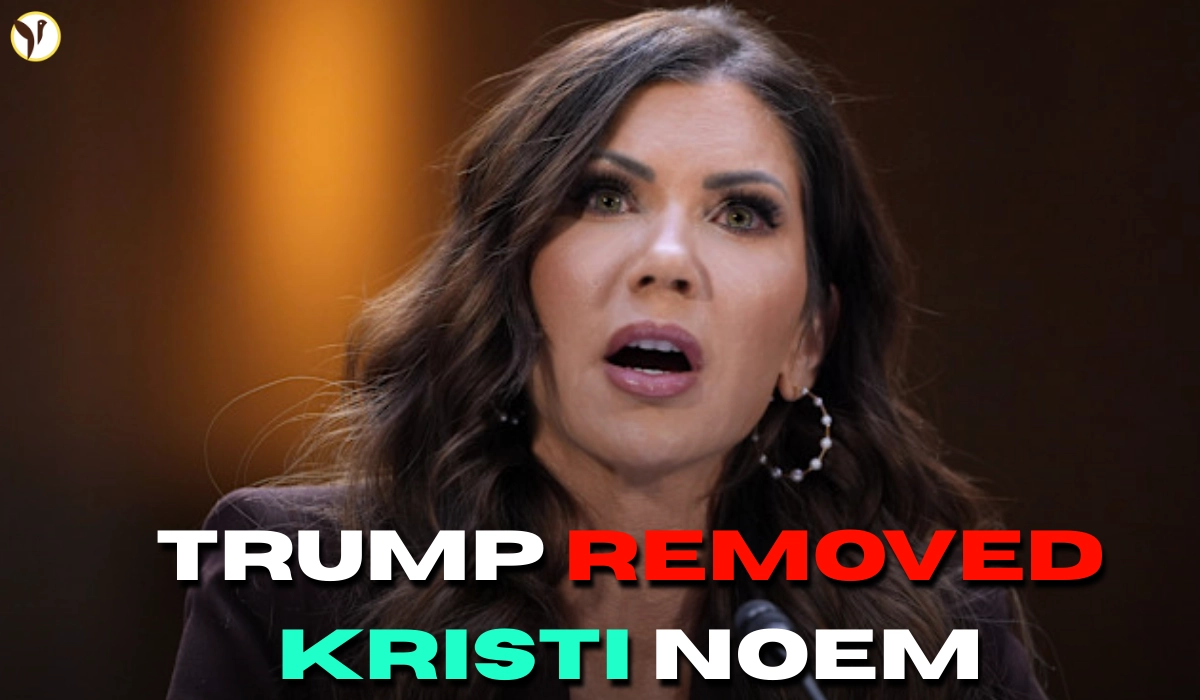


Washington is experiencing a major shake-up at the highest levels of national security as President Trump has removed Kristi Noem from the U.S. Department of Homeland Security and nominated Oklahoma Republican senator Markwayne Mullin as her successor. This much-publicized change comes following that series of intense Congressional hearings concerning the Department's operations related to immigration enforcement, its spending issues, and the controversial ad campaign run by the federal government. The Department has oversight of many aspects of our national security including border security, immigration enforcement, disaster preparedness and response, and airport security. This leadership change is one of the most talked about developments in Washington since President Trump took office.
A Sudden Leadership Reset at Homeland Security
Homeland Security is one of the largest federal departments in the United States. It supervises several powerful agencies including U.S. Customs and Border Protection, U.S. Immigration and Customs Enforcement, and the Transportation Security Administration.
Because of that reach, even a single leadership change can influence immigration policy, airport security operations, cyber defense programs, and disaster management planning across the country.
Trump’s decision to replace Noem signals an attempt to reset direction at DHS after mounting political pressure and public scrutiny surrounding several policy decisions.
What Triggered the Controversy Around Kristi Noem
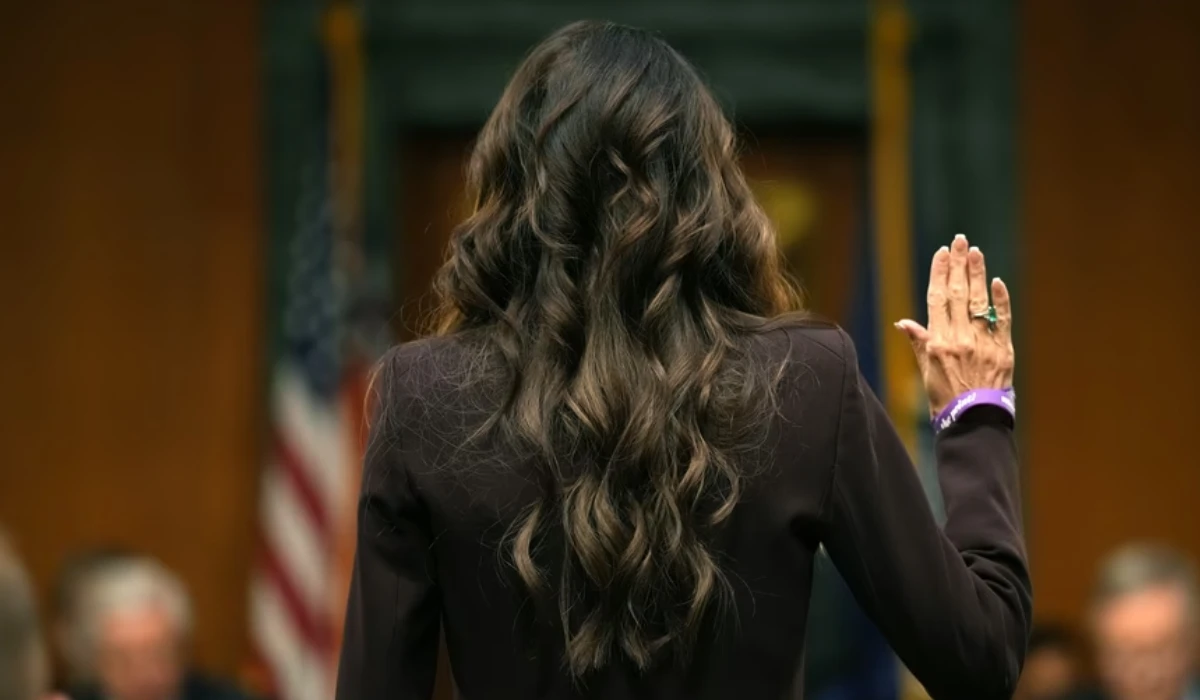
During the Congressional hearings held in early March, Noem faced extremely critical scrutiny regarding his leadership of the agency, especially about how the agency handled and budgeted for immigration and enforcement operations.
One highly publicized incident involved an immigration enforcement operation in Minneapolis that resulted in two U.S. citizens’ deaths at the hands of federal agents and quickly became a primary target of questioning during Senate hearings. Another main focus of scrutiny has been a communications campaign by the agency costing approximately $220 million designed to promote voluntary departure programs for undocumented migrants. Many Congress members have been demanding clarity around how the campaign was developed and if the spending could be justified.
There has also been much tension concerning the agency’s budget, leading to even greater scrutiny. The departmental budget has reached a point of complete obligation, creating a temporary lack of agreement over continuing funding and forcing the department to issue furlough notices of staff affecting thousands of employees and raising concerns about operation disruptions for critical programs.
These areas of controversy created a continuing sense of momentum against the department and, in turn, provided a hostile environment for the department's leadership.
Kristi Noem’s Political Rise Before DHS
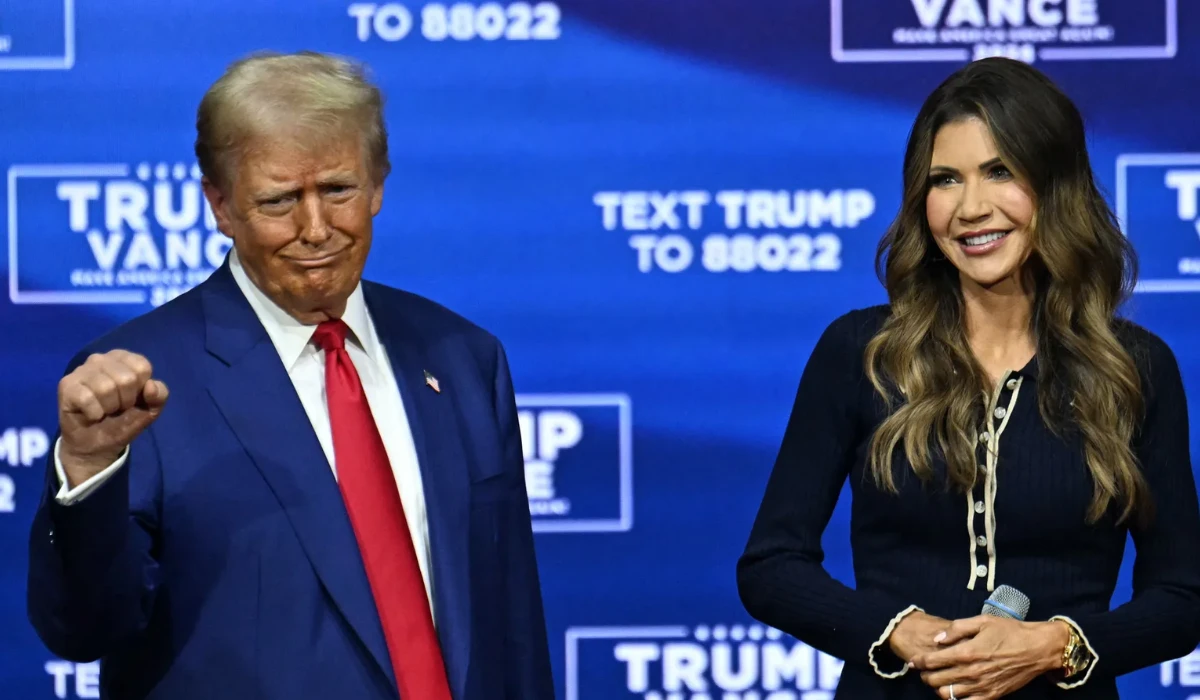
Before joining the Trump administration, Kristi Noem had already built a strong national political profile.
She first served in the U.S. House of Representatives before becoming governor of South Dakota in 2019. During her time as governor, she became widely known for her conservative political positions and strong support within Republican circles.
Her move to Homeland Security placed her at the center of national debates about immigration policy, border enforcement, and federal security operations.
Other Articles to Read:
- Harry Styles Drops Kiss All the Time Disco Occasionally After Long Wait
- Peaky Blinders: The Immortal Man Review – Tommy Shelby Returns With Twists
- Yami Gautam Exposed? The Real Reason She Liked Kriti Sanon's Hate Reel!
- Vladimir Netflix Series: Cast, Plot and Ending Explained
- Get Ready! Winter Paralympics 2026 Full Schedule is Finally Out
- Britney Spears in Legal Trouble? Pop Star Arrested Over Suspected DUI
Kristi Noem: Political Career at a Glance
|
|
|
|
|
|
|
|
|
|
|
|
|
|
|
|
|
|
|
|
|
During her tenure at DHS, Noem supported aggressive deportation policies and stronger border enforcement strategies, policies that gained strong support from conservative voters but also generated significant criticism from opponents.
Markwayne Mullin: The Man Trump Wants Leading DHS
Trump’s replacement choice reflects a shift toward a more politically aligned security chief.
Senator Markwayne Mullin from Oklahoma has served in Congress for more than a decade and is known for his outspoken support for strict immigration enforcement policies.
Before entering politics, Mullin ran a successful plumbing business and later became a prominent conservative voice in Washington. He frequently appears at Republican policy forums and campaign rallies advocating stronger border controls and expanded enforcement capabilities.
If confirmed by the Senate, Mullin would inherit one of the most complex leadership roles in the federal government, overseeing a workforce of more than 250,000 employees and managing agencies responsible for border security, counterterrorism coordination, and disaster relief.
Immigration Debate Remains the Political Center
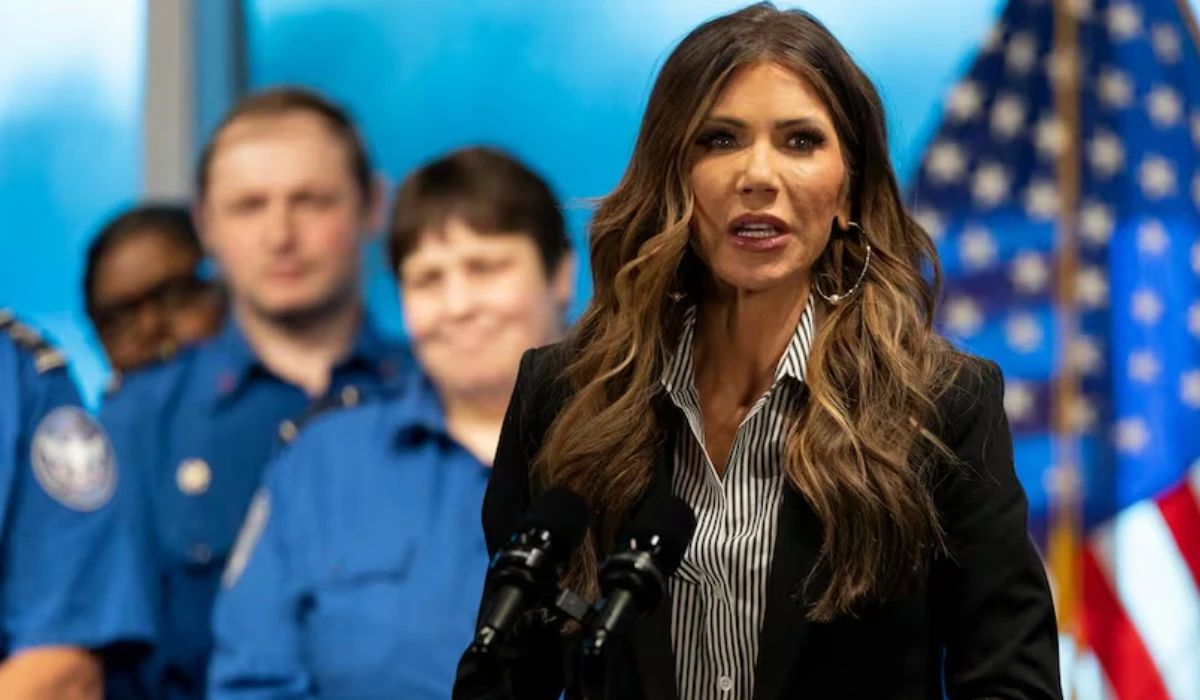
When the leadership of DHS changes, the new leadership will have an effect on how DHS carries out its immigration policy.
As part of leading DHS, the new Secretary will play a significant role in overseeing the numerous agencies within DHS that are responsible for dealing with undocumented immigrants. The agencies oversee the processing of asylum requests at our borders, deportation programs, and the general operations that involve keeping our borders secure.
Changes in DHS leadership can directly change how the various agencies allocate their budgets and enforce their enforcement operations along the southern border of our nation.
States along the southern border of our nation, such as Texas and Arizona, are often the most affected by policy changes. Therefore, local officials, lawmakers, and other interested parties will be keeping a close eye on the changes at DHS.
Senate Confirmation Will Decide the Next Step
Although Trump has nominated Mullin, the Senate must approve the appointment before he officially becomes Homeland Security Secretary.
During confirmation hearings, senators typically question nominees about policy priorities, agency oversight, immigration strategy, and disaster preparedness. These hearings could become a broader debate about national immigration policy and border enforcement.
For now, DHS operations continue under interim leadership while the nomination process moves forward in Washington.