

Government actions are not only relevant at the time of an election or the official announcement of a program; they also affect people daily in many ways. For example, there is a direct link between government policies and the price of milk a person buys on their way to work every morning, and there is a relationship between policies that affect how fast a person can use mobile internet during the evening.
Regardless of the person's occupation (student, employee, business owner, stay-at-home parent), decisions made by government agencies directly affect each of these individuals and the money they have available to them, the level of comfort they feel while doing their daily activities, their safety, and their outlook on the future, as well.
Government decisions may not just be announced in Parliament or in the various State Government Assemblies, but they will take time to trickle down to the prices of petrol, job availability, educational costs, healthcare services and the general sense of security an individual feels in their neighborhood.
By making, and being aware of these connections between government actions and the way citizens experience the daily impacts of those actions, it will allow citizens to make better-informed decisions about the future and avoid the fear and confusion surrounding precipitated change.
Summarized
Citizen Government Decisions = Daily Impact of Their Actions
Effects of Government Decisions = Daily Silent (Not Sudden)
Knowing the Connection = Will Empower Citizens
How Government Policies Decide Prices You Pay Every Day
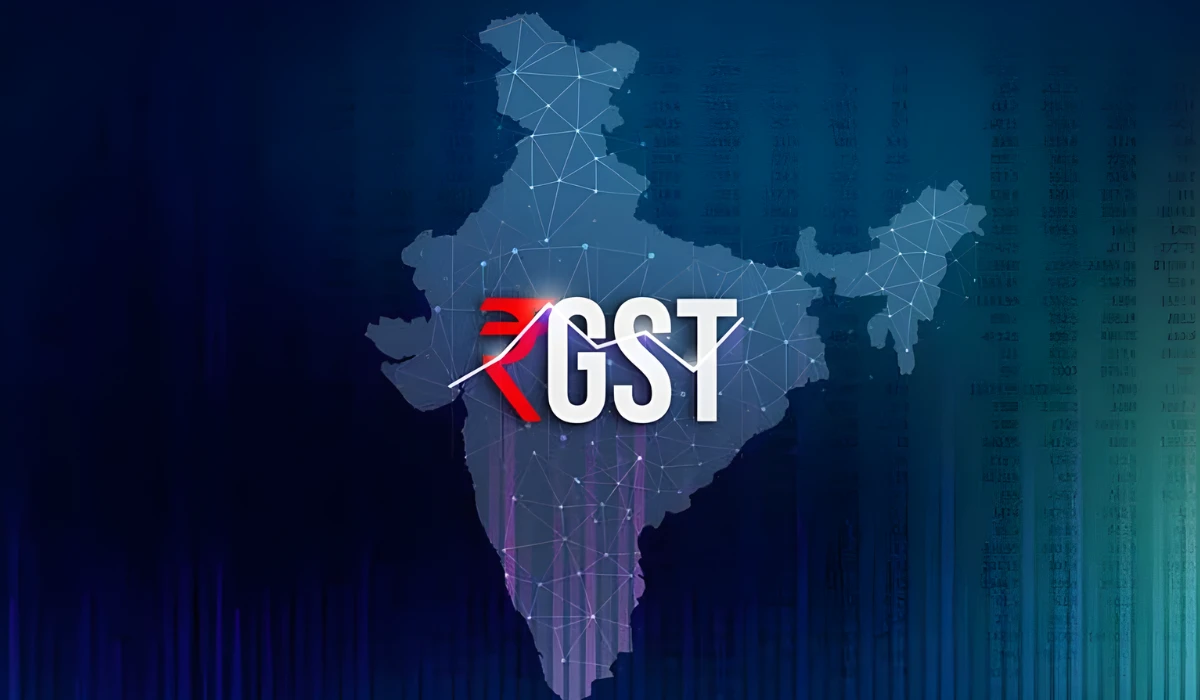
The rising cost of living as measured by inflation is a direct impact of government-related decisions such as the price of fuel, GST rates (Goods and Services Tax), import duties and subsidies. When fuel prices rise, it becomes more expensive for delivery services and therefore impacts the cost of vegetables, grocery items and even online orders.
Also, the GST slab changes directly impact mobile bill pricing, restaurant food pricing, insurance premiums and household items.
Governments may decrease tax rates to reduce inflation, but also in order to increase revenue they may raise taxes on other citizens to help cover their deficit. In either case, these taxes are ultimately paid by consumers.
They're all related and will be affected by state-mandated policy decisions that you may not have any direct input on. For example;
- Petrol & diesel prices
- Vegetable & grocery prices
- Monthly costs for your mobile, internet and/or utilities.
Jobs, Salaries, and the Role of Government Decisions
The development of jobs in India is directly attributed to what the Government of India does or does not do. If the government invests in creating and developing infrastructure for roads, railways, and housing, this will lead to increased job creation across the board—from new engineers and architects, to daily wage labourers. Thus, the type of policies fully or partially
created by the government regarding Start-ups, MSME's and Foreign Direct Investment (FDI) directly impacts the number of Private Sector Jobs created and, subsequently,the Financial Security of People living in India.
There are also many ways to cause a slowdown in job creation, including a government hiring freeze, project delays, or regulations governing the hiring of employees. In addition, when the Government establishes and implements pay commission for Government employee salaries, this effects the amount of money a government employee spends in the marketplace which, in turn, increases job creation in the private sector. Simply put, when a government uses smartly and wisely its financial resources, the economy grows with an influx of cash.
Key Areas of Impact:
- Public and Private Sector Employment
- Salary Increases
- Business Confidence Regarding Hiring
How Government Decisions Affect Education and Students
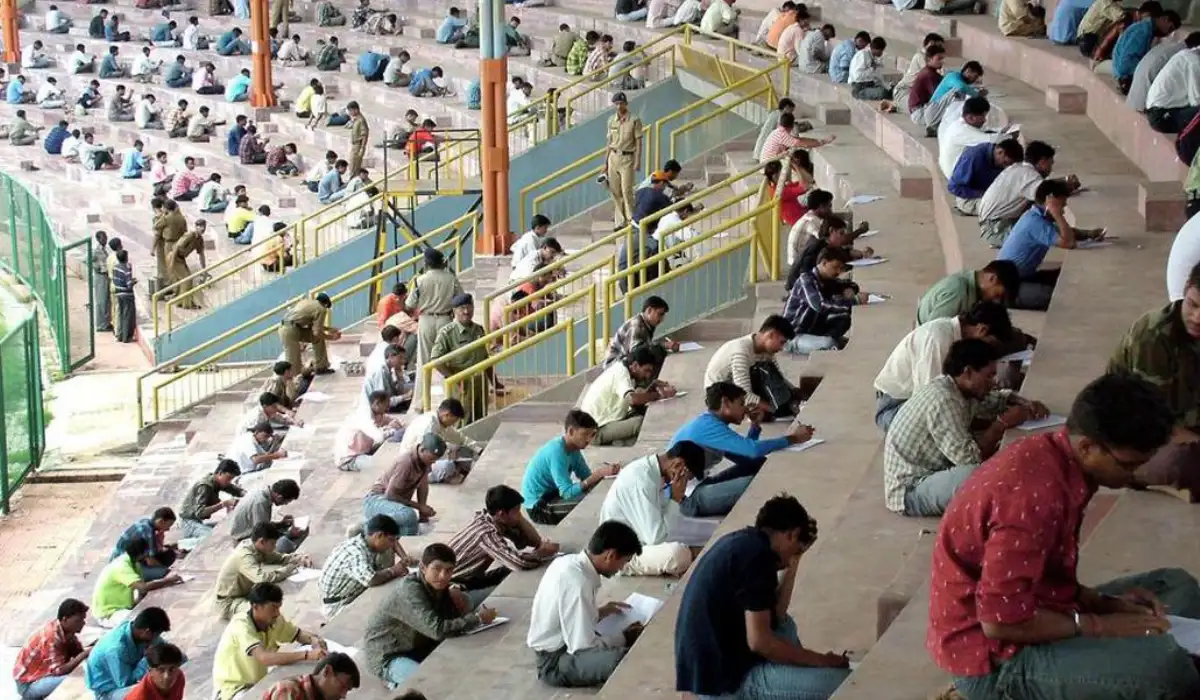
The Indian education system determines the direction of hundreds of millions of Indian students' futures. Syllabus changes; exam formats; advantages and disadvantages; scholarship programs; and affirmative actions are some of the policy decisions affecting the learning environments for Indian students.
Digital education has allowed millennials access to more ways to obtain an education, whereas the digital divide has not allowed many to take advantage of such opportunities.
Scholarship programs, loan subsidies, and skill development programs provide necessary assistance to middle and lower-income families in their pursuit of education. However, lack of a timely response to results or confusion over policies can add unnecessary pressure to an already stressful situation.
An effective education policy will produce skillful, educated citizens. An ineffective policy will create confusion.
The following are examples of how education policies directly affect:
- Tuition fees
- The impact of competitive tests
- Availability of scholarships and skill-based programs.
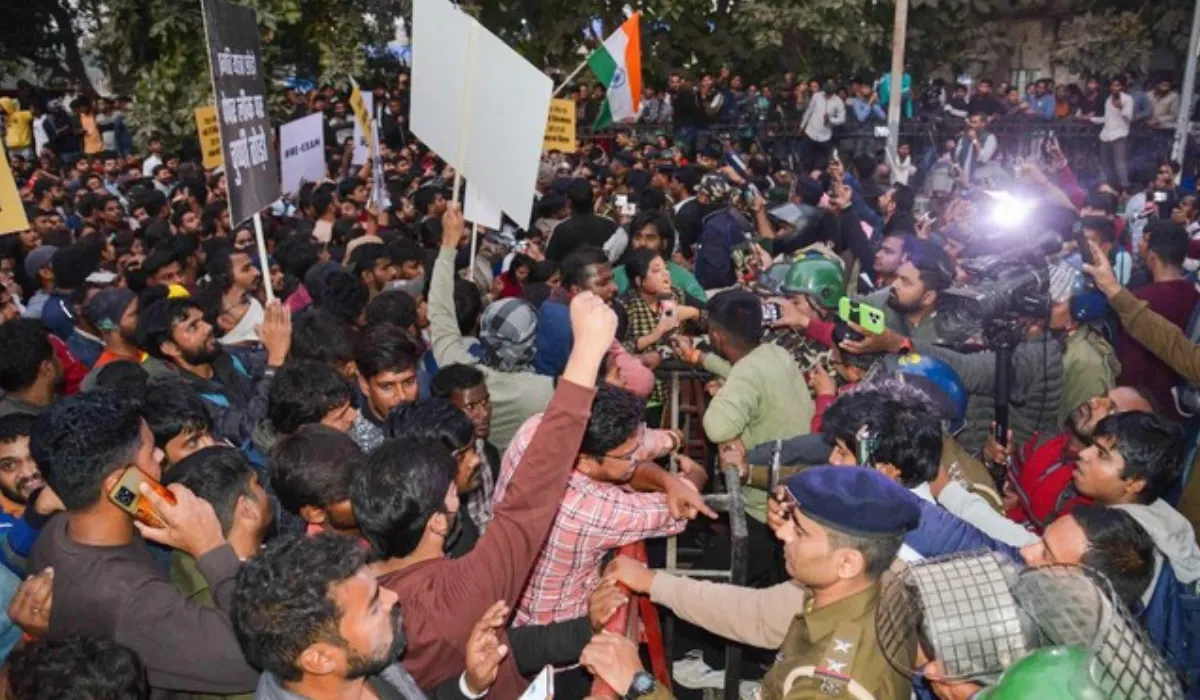
Healthcare Decisions That Touch Every Indian Family
In the healthcare sector, decisions made by government leaders can either save or cost people their lives. Through funding and regulating hospital costs and pharmaceutical pricing, public policies will affect your ability to pay for and receive the care you need.
Ayushman Bharat (a Government of India initiative) has provided many families with options to avoid life-altering financial obligations caused by medical expenses.
Policymakers determine how vaccination campaigns are run, determine how hospitals are maintained and determine what is required to qualify for health insurance. Strong policy execution builds public confidence during a health crisis, whereas weak execution fosters public panic. Even commodity pricing (medicines) and diagnostic cost structures (research hospital) fall within the purview of governmental regulation.
What Citizens want:
- Affordable treatment
- Quality of hospital building & infrastructure
- Access to medication

Digital India, Internet, and Technology Policies
The government makes decisions about how fast the internet is, what you will pay for your data and what digital services you have access to. By establishing telecom policies, spectrum allotment and investment in the development of digital infrastructure, the government determines the extent to which India is connected to each other.
The government has created a number of initiatives to promote Digital India, including increased access to Online Banking, Unified Payment Interface (UPI) payments, and other government services.
However, the laws regarding Data Privacy, regulation of Social Media, and Internet Shutdown policies can hinder the ability of individuals and businesses to operate freely and effectively. Technology policy is a format for establishing a foundation for how a country progresses socially, economically and strategically while protecting the rights of its citizens.
Examples of everyday experiences associated with these policies include:
- Online Payments
- Internet Access
- Digital Services and Applications
Law, Order, and Safety in Daily Life
Policing, traffic regulations, women’s security and protection against cybercrime contribute to people’s sense of security in society. Stricter penalties for traffic violations completely eliminated vehicle accidents, but they have ignited considerable discussion among citizens about the appropriateness of these penalties. New laws for the prosecution of crimes were written to speed up the criminal justice process, but will only accomplish their goal if they are properly put into practice.
The issue of safety extends well beyond simply enacting laws; it also encompasses the manner in which those laws are enforced. When policy makers create clear policies that are applied equally to everyone in the community, confidence in the police increases. When people feel secure, they live and interact with others more comfortably.
The ways in which safety impacts include:
- Traffic Safety
- Crime Control
- Public Confidence in Law Enforcement
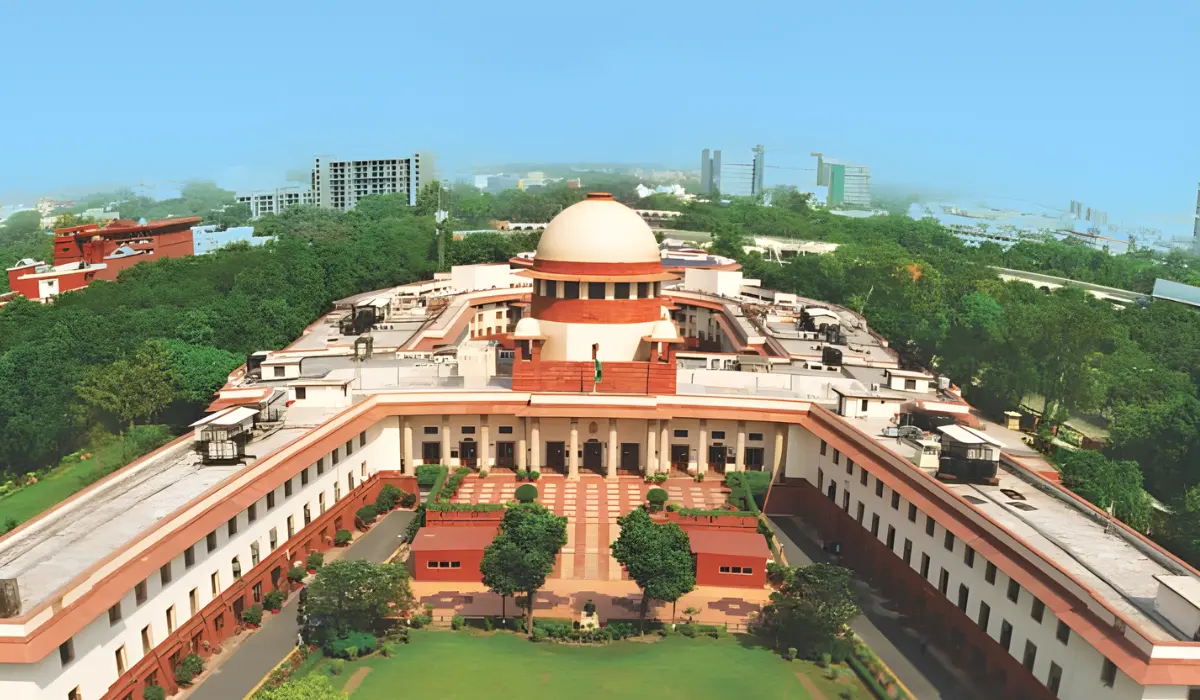
How Government Decisions Shape the Future of India
Long-term policies for Climate Change, Renewable Energy, Population Control & Economic Planning determine what position India will be in 10 to 20 years from now. The investment made in Green Energy will directly impact a citizen’s electricity bill and/or pollution level from the power plant(s). Policies related to Urban Planning will have a direct impact on Housing Affordability and Traffic Congestion.
Citizens will not necessarily notice these changes right away; but the future generations who live in India will definitely experience the consequences of it. Therefore, informed discussion related to Policy is a more significant issue than government politics over the short term.