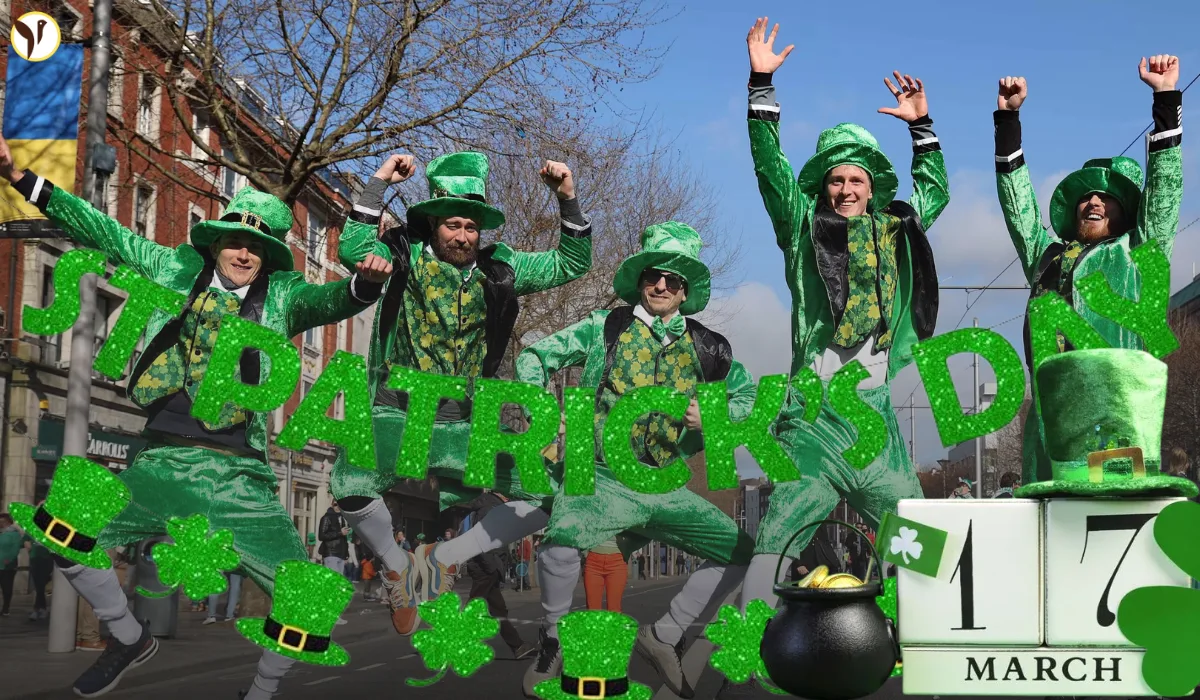


Saint Patrick's Day is held every year in honour of Saint Patrick (the patron saint of Ireland), who died on March 17th - but now it is a worldwide cultural celebration celebrating faith, identity, and festivity. Originally beginning as a religious feast, St Patrick's Day has become one of the most celebrated cultural events around the world, raising the question in people's minds: Is St Patrick's Day still a spiritual holiday or just an international party?
What Is St. Patrick’s Day and Why March 17 Matters
St. Patrick’s Day is rooted in early Christian history. It commemorates Saint Patrick, a 5th-century missionary credited with bringing Christianity to Ireland. March 17 is believed to be the date of his death, and for centuries it was observed primarily as a religious feast day.
Over time, especially through Irish migration to countries like the United States, the day transformed into a broader celebration of Irish heritage—marked by parades, music, food, and public gatherings.
Key facts at a glance:
-
Date: March 17 every year
-
Origin: Ireland (5th century religious observance)
-
Modern form: Global cultural festival
-
Main theme: Irish identity, culture, and community
Is It a Religious Holiday or a Global Party?
The answer is: both—and that dual identity defines the modern celebration.
Originally, the day was deeply spiritual. People attended church services, reflected on faith, and honored Saint Patrick’s legacy. In Ireland, restrictions on eating and drinking were traditionally lifted for the day, making it both sacred and celebratory.
Today, the balance has shifted in many parts of the world:
-
In Ireland, it still holds religious significance alongside national pride
-
In the United States and Europe, it is largely a cultural and social festival
-
Globally, it represents community, identity, and shared celebration, often with little religious observance
This shift reflects how cultural traditions evolve when they cross borders.
Why Is Everything Green on St. Patrick’s Day?
The color green is now inseparable from St. Patrick’s Day—but its origins are both symbolic and historical.
The meaning behind green:
-
Ireland’s nickname: “The Emerald Isle,” due to its lush green landscape
-
Shamrock symbol: A three-leaf clover associated with Saint Patrick’s teachings
-
Irish nationalism: Green became a symbol of Irish identity during political movements
According to tradition, Saint Patrick used the shamrock to explain the concept of the Holy Trinity (Father, Son, Holy Spirit). Over time, wearing green became a way to honor Irish heritage.
Modern interpretation:
Today, green represents:
-
Celebration
-
Unity
-
Cultural pride
This is why landmarks, rivers, and even food items around the world are “turned green” on March 17.
St. Patrick’s Day Symbols Explained
Understanding the symbols helps explain why the festival resonates globally.
☘️ Shamrock
-
Represents faith and Irish identity
-
Linked to Saint Patrick’s teachings
🎩 Leprechaun
-
A figure from Irish folklore
-
Symbolizes mischief and storytelling traditions
🌈 Pot of Gold
-
Associated with luck and mythical tales
🍀 Green Clothing
-
Originally tied to Irish nationalism
-
Now a global sign of participation
What Is the Spiritual Meaning of St. Patrick’s Day?
Despite its festive image, the day still carries spiritual depth—especially in Ireland.
At its core, St. Patrick’s Day represents:
-
Faith and transformation (Saint Patrick’s missionary work)
-
Forgiveness and resilience (his life story includes hardship and return to Ireland)
-
Cultural identity rooted in belief systems
For many, especially within Christian communities, it remains a day of:
-
Reflection
-
Gratitude
-
Religious observance
However, the global version often separates the spiritual meaning from the celebration.
Other Articles to Read:
- Marty York Fight Video: ‘The Sandlot’ Star in Shirtless Street Fight
- Dune 3 First Look Revealed: Timothee Chalamet Confirms Trailer Date
- Ishqbaaz Actor Navnindra Behl Dies at 76, Film Industry Pays Tribute
- Sean Penn Wins Supporting Actor Oscar but Skips Academy Awards Night
- Tragedy in Odisha: Cuttack Hospital ICU Accident Kills 10 Patients
How the World Celebrates Today
St. Patrick’s Day has become a global event, with major celebrations far beyond Ireland.
Common modern traditions:
-
City parades
-
Irish music and dance performances
-
Themed food and drinks
-
Public festivals and street events
Notable global trends:
-
Major cities host large-scale parades
-
Tourism spikes around the festival
-
Businesses (especially pubs and restaurants) see increased activity
In some places, even rivers and iconic landmarks are dyed green, reinforcing the festival’s visual identity.
Why This Story Matters Right Now
In 2026, St. Patrick’s Day reflects a broader trend: local traditions becoming global cultural phenomena.
For readers, this matters because:
-
It shows how culture evolves across borders
-
It highlights the growing influence of diaspora communities
-
It reveals how festivals can shift from religious to social meaning
It also raises questions about cultural preservation:
-
Is the original meaning being lost?
-
Or is the global celebration keeping the tradition alive in a new form?
What Readers Often Overlook
Many people participate in the celebration without understanding its origins. Key overlooked aspects include:
-
The historical figure of Saint Patrick was not Irish by birth
-
The “snakes of Ireland” story is symbolic, not literal
-
The festival’s global popularity is largely driven by Irish diaspora communities
Understanding these details adds depth to what might otherwise seem like just a themed celebration.
St. Patrick’s Day Greetings and Cultural Participation
As the festival spreads globally, people engage in simple ways:
Common greetings:
-
“Happy St. Patrick’s Day”
-
“May your day be filled with luck”
At-home participation ideas:
-
Wearing green
-
Learning about Irish history
-
Cooking traditional Irish meals
-
Engaging children with themed activities like coloring pages
These small actions make the festival accessible worldwide—even outside major celebration hubs.
What Comes Next for St. Patrick’s Day?
Looking ahead, St. Patrick’s Day is likely to continue evolving as a hybrid celebration—part cultural festival, part historical remembrance.
Future trends may include:
-
More digital and global participation
-
Increased cultural storytelling and education
-
Greater focus on authentic Irish traditions
As global audiences grow, the challenge will be maintaining a balance between celebration and cultural understanding.
The Bottom Line
St. Patrick’s Day is no longer just Ireland’s festival—it is a global cultural moment. But behind the green colors and celebrations lies a story of faith, identity, and transformation that continues to shape how the world celebrates it today.