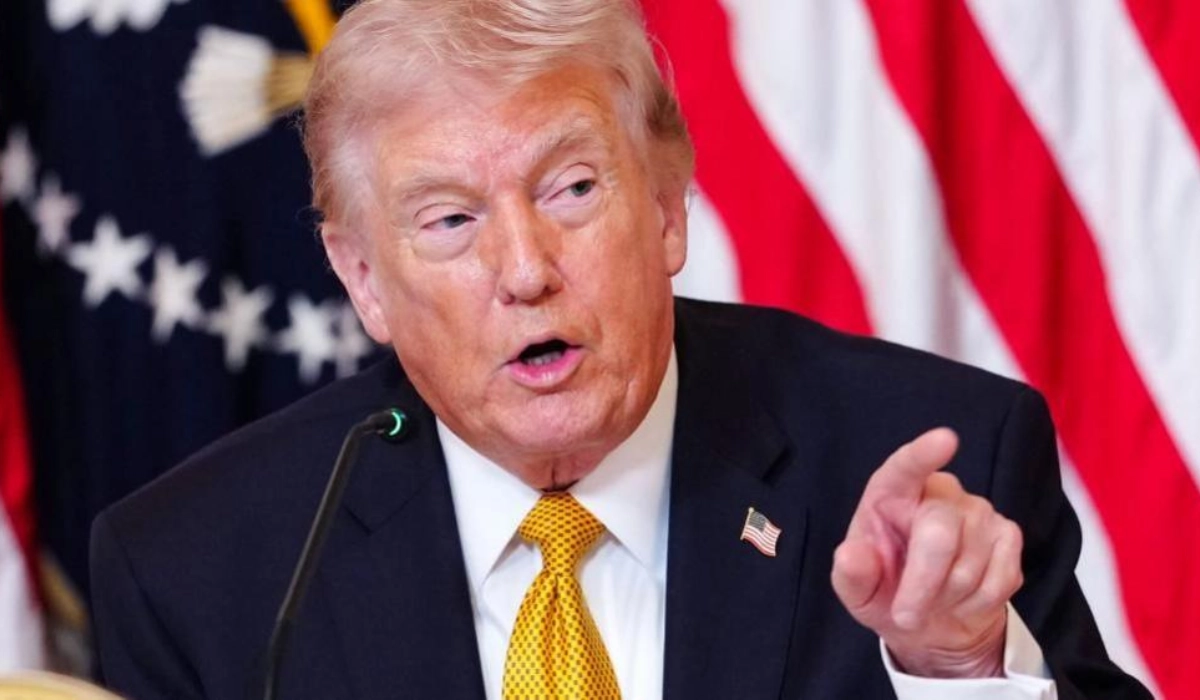


On March 23, 2026, the United States declared a 5‑day pause on planned strikes against Iranian energy infrastructure, including power plants and key oil facilities.This decision came just hours after Iran issued a firm warning to US President Donald Trump, stressing that any attack on its civilian energy sites would trigger massive retaliatory strikes on US allies, Israel, and Gulf oil hubs.
Trump’s 48‑Hour Ultimatum to Iran – Why It Backfired
On March 21–22, 2026, President Trump publicly threatened Iran with strikes on its power plants and electrical grid if Tehran did not fully reopen the Strait of Hormuz within 48 hours.
The Strait of Hormuz is one of the world’s most important oil chokepoints, with about 20% of global oil passing through it daily. Iran had earlier mined or blocked parts of the strait, causing oil prices to spike and global markets to panic.
Trump’s move was meant to force Iran to back down quickly, but instead it pushed Iran into a more aggressive stance. Tehran warned that an attack on its power and energy systems would be treated as a direct threat to its survival, and it promised to hit critical US and Israeli energy sites in return.
Why the US Suddenly Called a 5‑Day Pause
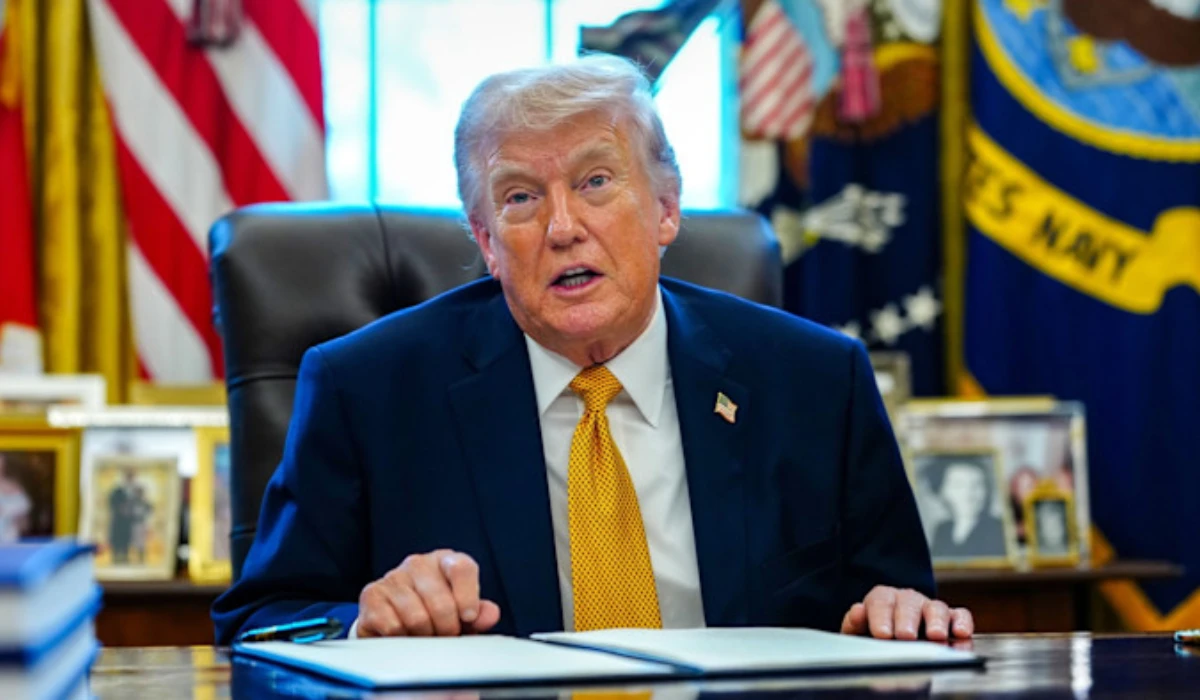
On March 23, 2026, President Trump announced that the US military would delay further strikes on Iranian energy installations for five days, citing “very good and productive” talks with Tehran.timesofindia.
According to US officials, back‑channel discussions between Washington and Iranian representatives (including indirect mediation by Gulf countries and Russia) led both sides to agree on a temporary pause to avoid a full‑scale energy war.
Market reactions were instant:
- Oil prices dropped sharply, with Brent crude falling over 10% in a few hours.
- US stock futures rose, as investors viewed the pause as a sign that a wider regional war might be avoided—for now.
However, the US did not cancel its military options; Trump clearly stated that the pause was “conditional” and could be lifted if Iran kept blocking the strait or launched new attacks.
Israel–Iran Tension Escalates in Parallel
Even as the US and Iran paused, the Israel–Iran front remained extremely tense. On March 18, 2026, Israel, with US coordination, struck the South Pars natural gas field and nearby refineries in Iran, one of the largest LNG production zones in the world.
In response, Iran attacked the world’s largest LNG facility in Qatar, which is a major energy supplier to Europe and Asia.
Iran then launched a series of missile attacks on Israeli cities, including:
- Dimona (site of Israel’s nuclear research center) – at least 78 people injured
- Arad – another southern town hit, with over 116 people injured.
On March 23, 2026, Iranian forces launched a 71st wave of missile attacks, this time targeting Tel Aviv and Rishon LeZion with advanced Emad missiles and cluster sub‑munitions.
These strikes caused massive panic, with millions of Israelis ordered into shelters and thick smoke rising over central Israel.
What Iran’s “Firm Warning” to Trump Actually Means
Iran’s warning to Trump was not just about retaliation in the Middle East; it was a global threat. Senior Iranian officials said that if the US bombed Iranian power and energy sites, Iran would:
- Attack oil and gas facilities of US allies, including in Saudi Arabia, the UAE, Qatar, and India.
- Target ships and ports in the Persian Gulf, risking a full closure of the Strait of Hormuz.
Iranian leaders also warned that such an escalation could trigger a wider energy crisis, raising fuel prices worldwide and pushing economies into recession.
This “firm warning” is what pushed Washington and Gulf capitals into emergency talks, ultimately leading to Trump’s decision to postpone the threatened strikes.timesofindia.
How the US‑Iran 5‑Day Pause Could Change the War
The 5‑day pause is not a peace deal, but a temporary cooling‑off period. Analysts see three possible outcomes:
De‑escalation and Negotiations
- If Iran agrees to stop blocking the Strait of Hormuz and reduces missile attacks on Israel, the US may extend the pause and move toward formal talks.
- European and Gulf countries (like Saudi Arabia, UAE, and Qatar) are pushing for a diplomatic solution to avoid a full energy war.
Limited Escalation
-
Both sides may use the 5 days to reposition forces and plan new attacks. Iran could increase missile and drone deployments against Israel and Gulf targets, while the US prepares precision strikes on military and nuclear sites.
Total Energy War
-
If talks fail and Trump decides to bomb Iranian power plants, Iran may launch a wide‑scale attack on Gulf oil hubs, causing oil prices to spike above $200 per barrel and triggering a global crisis.
What This Means for India, Asia, and the Global Economy
India and other Asian countries are deeply affected by the US‑Israel‑Iran war.
- Oil impact: India imports over 80% of its oil from the Middle East; if the Strait of Hormuz closes, fuel prices could double within weeks.
- Trade disruption: Many Asian goods pass through the Gulf; any major conflict could delay shipments and raise prices for electronics, cars, and other goods.
- Security concerns: Some Iranian officials have warned of attacks on Indian cities like Delhi and Mumbai, raising fears of terrorist or proxy attacks coordinated with Pakistan or other groups.timesofindia.
Globally, the US Federal Reserve and European Central Bank are closely watching the conflict, as a full‑scale energy war could trigger inflation and recessions in major economies.
🇮🇷🇺🇸Trump Postpones U.S. Strikes on Iran for 5 Days Amid Talks
— The Crypto Beast (@cryptobeasttcb) March 23, 2026
Donald Trump orders a 5-day pause on planned strikes against Iran after “productive” talks, raising hopes for de-escalation as negotiations continue this week. ⚠️ pic.twitter.com/sj6MW8UMPT
What Happens Next? Key Dates to Watch
Here’s what to expect in the coming days:
- March 24–28, 2026: The 5‑day strike pause window—if Iran reopens the Strait of Hormuz partially and reduces missile attacks, the US may extend the pause. If not, Trump could restart strikes
- Late March–Early April: Emergency UN Security Council meetings are expected to discuss a ceasefire and sanctions.
- Ongoing: Iran–Israel missile exchanges will likely continue unless a broader peace deal is reached.
Conclusion: 5-Day Pause Signals Hope, But Israel–Iran Tension Keeps World on Edge
The decision by the United States to pause strikes for five days after Iran’s firm warning has brought a small moment of relief to a very tense situation. It shows that even during conflict, there is still space for talks and possible peace.
However, this is not the end of the crisis.
The situation remains fragile. Iran has not stepped back from its warning. Israel is still actively involved in military actions. And the risk of escalation is still very real if talks fail.
This pause is best understood as a critical testing period—a short window where diplomacy and war are standing face to face.
Other Articles to Read
- OnePlus 15T Packs Huge 7500mAh Power in Surprisingly Small Body
- Are You Paying Too Much for Data? Raghav Chadha Raises Big Question in Parliament
- Mardaani 3 OTT Release Date Finally Here Where To Watch Online
- Debby Ryan Brings Back Jessie Memories With Heartwarming Reunion
- Mystery Surrounds Fire That Killed Jessi Pierce and Her 3 Kids
- Top Gun Actor Tom Skerritt Still Handsome at 92, Say Fans
- Carrie Anne Fleming iZombie and Supernatural Actress Dies at 51
- LaGuardia Airport Crash: Air Canada Jet Collides With Fire Truck