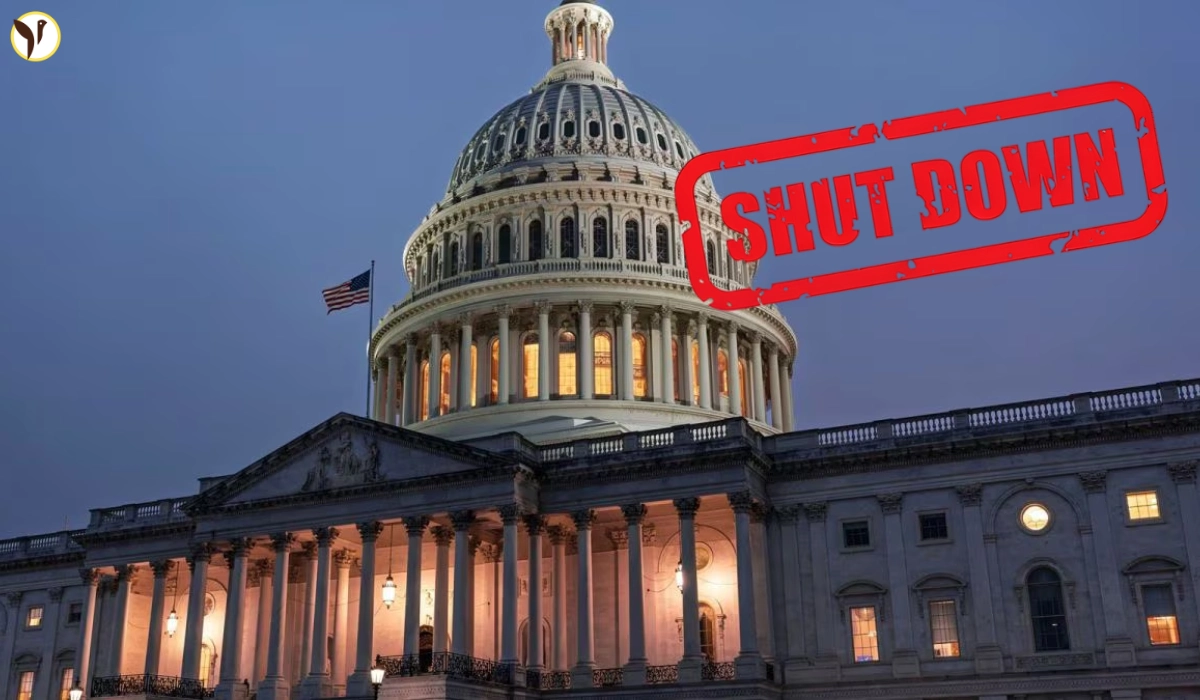


The United States Government entered a partial shutdown at 12:01 a.m. ET affecting several federal agencies and services. While some departments continue to operate, others have paused operations, creating delays in certain government services and impacting federal employees. This event marks one of the major fiscal developments early in 2026.
What Led to the 2026 US Government Shutdown
Congress must pass 12 annual appropriations bills to fund the full federal government. Most were once approved by both chambers, but a final agreement collapsed after disagreements over funding for the Department of Homeland Security (DHS) — especially after controversial events involving federal immigration agents.
On January 29, 2026, lawmakers agreed to separate the DHS funding from the main package and extend DHS funding temporarily, but the House did not hold its scheduled vote before midnight, causing funding for key departments to expire. Senate members had previously passed a compromise spending bill to keep much of the government funded through the end of September, but procedural delays in the House prevented its quick adoption.
🚨 BREAKING 🇺🇸
— The Must Follow Page (@mustfollowpage) January 31, 2026
THE U.S. GOVERNMENT HAS OFFICIALLY SHUT DOWN.!!
→ Essential Services Continue Operating
→ Some Economic Data Releases May Be Delayed
→ Short-Term Market Volatility Could Increase
Markets Are Closely Watching The Next Developments. pic.twitter.com/It2nITuZAO
US Government Partial Shutdown: What’s Affected and What Continues
Because some funding bills were already signed into law, the shutdown is partial, not a total closure.
Federal Services Halted or Limited During Shutdown
• Department of Health and Human Services operations and research grant work are paused.
• Education, Labor, Transportation, State, and Treasury Department activities funded under lapsed appropriations are affected.
• New processing work at the IRS and grant approvals may face delays.
Essential Services That Continue
• Social Security, Medicare, and Medicaid payments continue, as these are mandatory programs not dependent on annual funding.
• Military operations, air traffic control, and law enforcement remain active, though personnel may work without pay until the shutdown ends.
• Immigration and border security agencies such as Customs and Border Protection (CBP) operate due to prior funding arrangements.
How Long Will the US Government Shutdown Last?
At the moment, there is no firm end date, but Congress is expected to work on passing remaining funding bills once lawmakers return to session. House expected to vote February 2, 2026 Monday, on Senate-passed bill likely ending shutdown early next week if approved. Political disagreements remain, particularly over immigration enforcement provisions and Homeland Security funding reforms, which has slowed progress.
Markets and prediction models have indicated a high likelihood that a shutdown would occur if funding did not pass by the Jan 30 deadline, but also that resolution could come quickly once the House resumes work.
Economic and Social Impact of the Shutdown
Experts say that even a short shutdown can have noticeable economic effects, including delayed pay for federal workers, disruptions in public services, slowed processing of government permits, and travel delays due to fewer Transportation Security Administration (TSA) staff reporting. Federal contractors and grant recipients may also face uncertainty and slowdowns in their operations until appropriations are restored.
US Government Shutdown 2026: Impact on Federal Employees and Contractors
Many federal workers are now furloughed or working without pay. Essential staff like law enforcement and air traffic controllers continue, but non-essential employees face uncertainty. Contractors relying on government projects may experience delays and payment pauses.
Public Services and Citizens: What You Need to Know
Visa, passport, and permit processing may slow down. Federal offices handling non-essential services may close temporarily. Social Security, Medicare, Medicaid, emergency services, and the military continue as usual, but travelers could face longer TSA lines and delays in certain approvals.
OTHER ARTICLES TO READ:
- Where to Watch Royal Rumble 2026 Your Country? latest Update
- First Non-English IMAX Epic: ‘Varanasi’ Set for April 7, 2027 Release
- Budget 2026 Tax Signals: Why the Salaried Class Is Watching Closely
- Akshay Kumar and Vidya Balan Team Up Again for a Fun Birthday Surprise
- What Twist Happened in the Alcaraz vs Zverev Fifth Set — Watch Highlights
- Renault Duster Top 5 Features: Real Upgrades or Clever Hype?
- How to Take Google Gemini’s FREE Unlimited JEE Mock Tests: Step-by-Step Guide
What Happens Next in the 2026 Government Shutdown
Once lawmakers return to session, the House is expected to consider the Senate‑approved funding package. If passed, funding can be restored within days, ending the shutdown. If not, the shutdown could stretch longer and potentially affect more services. Public attention will focus on negotiations surrounding DHS reform, immigration policy, and fiscal priorities as the deadline to pass remaining bills approaches.