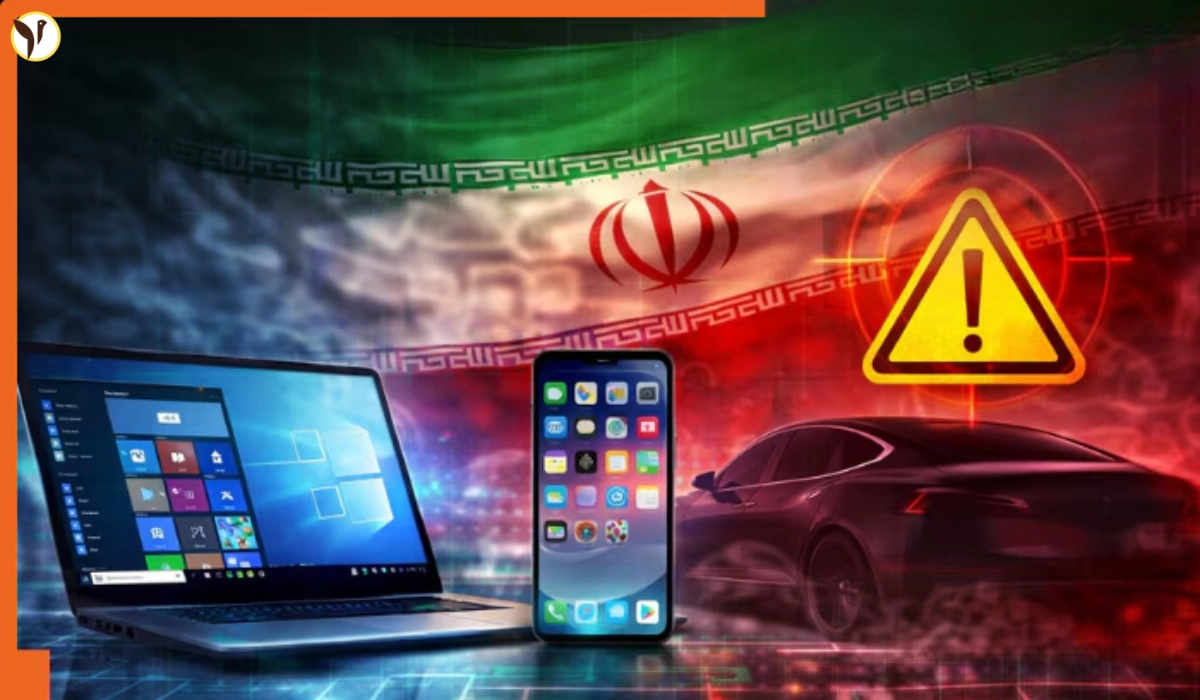


It’s April 1, 2026, and suddenly the news is buzzing about Iran’s powerful Revolutionary Guards saying they will hit 18 big American companies right in the Middle East. No joke, no April Fool’s prank. The Islamic Revolutionary Guard Corps, or IRGC for short, dropped a serious warning yesterday. They named huge names like Apple, Google, Microsoft, and Tesla. And they told workers and even people living nearby to get out fast.
This isn’t some far-off story. It’s happening now, in the middle of a tense war that’s been heating up since late February. Iran’s Parliament Speaker, Mohammad Bagher Ghalibaf, has been speaking out too, accusing the US of sneaky plans for a ground attack. Together, the speaker and the IRGC are sending a clear message: they see these companies as helpers in attacks on Iran. Today, we’re breaking it all down in plain words so even a 12-year-old gets it. We’ll cover the full list, exactly why this is happening, what it means for everyday people, and what could come next. Stick around – this could change how tech and money move around the world.
Who Are the Iran Parliament Speaker and IRGC? Simple Background Anyone Can Understand
Let’s start with the basics, like we’re chatting over chai. The IRGC is Iran’s elite military force. Think of them as super-tough guards who protect the country’s revolution. They answer directly to the top leaders and have a lot of power, including in business and tech spying claims. They’re not the regular army – they handle special jobs, like protecting borders and hitting back at enemies.
Now, Mohammad Bagher Ghalibaf is the Speaker of Iran’s Parliament. He’s like the head referee in their big law-making room. Before this job, he was mayor of Tehran and even flew planes for the IRGC years ago. In the last few days, he’s been loud about the US. On March 29, he said America talks peace but secretly plans to send troops on the ground. Earlier, he warned banks buying US bonds that they could become targets too.
Why does this matter? Because the speaker’s words give political weight to the IRGC’s threat. It shows Iran’s government and its tough military wing are on the same page. They’re saying, “Stop helping our enemies, or we hit your companies here in the Gulf.”
Full List of 18 US Firms on Iran IRGC Target List: Every Company Explained in Detail
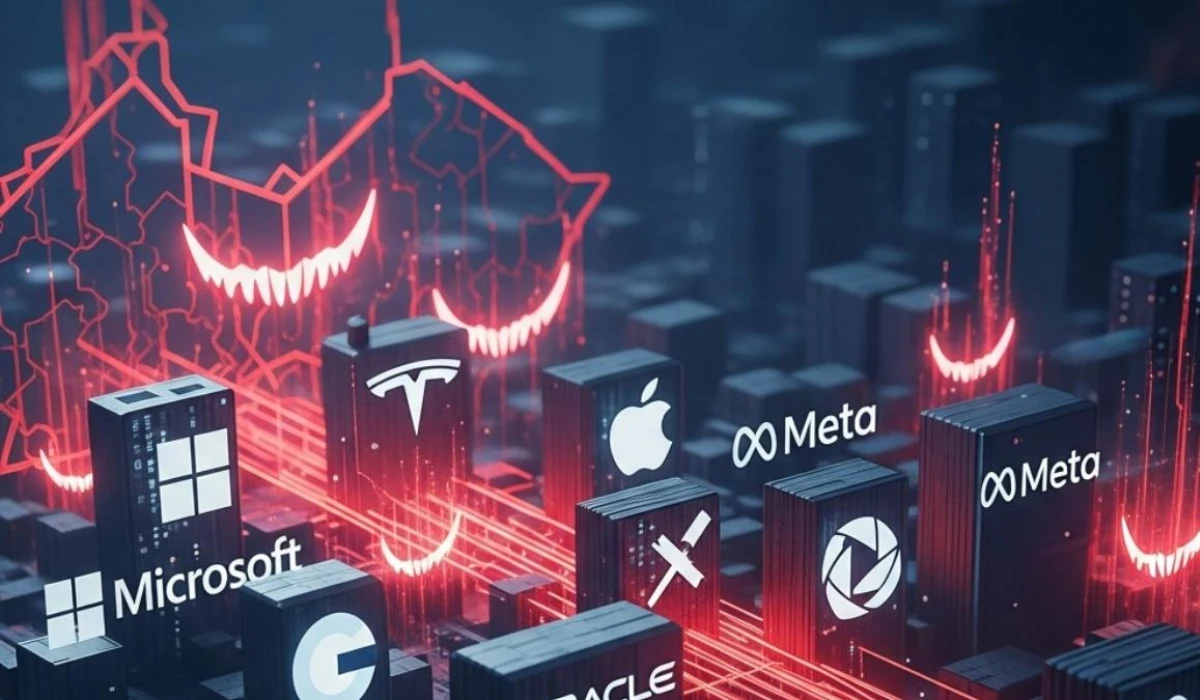
The IRGC named exactly 18 companies in their statement on March 31. They say these firms help the US and Israel track and plan strikes on Iran using fancy tech like AI and cloud computers. Many have big offices, shops, or data centers in places like the UAE, Saudi Arabia, and Qatar. The threat starts at 8 PM Tehran time on April 1 – that’s today! They want workers to leave right away and anyone living within one kilometer (about 10 city blocks) to move to safety.
Here’s the complete list, with easy explanations of what each does and why Iran picked them. I dug deep so you get the full picture, not just headlines.
- Cisco – They make the pipes that carry internet around the world. Routers, switches, you name it. Iran says their gear might help spy or connect military networks in the region.
- HP (Hewlett Packard) – Printers, laptops, and big computers for businesses. Their Middle East offices sell tons of hardware that could run defense software.
- Intel – Chip kings. They make the brains inside most computers and servers. Iran believes their powerful processors power AI that tracks Iranian leaders.
- Oracle – Database experts. They store huge amounts of data for governments and companies. Their cloud tech is everywhere in the Gulf.
- Microsoft – Windows, Office, and Azure cloud. They have data centers helping businesses (and maybe militaries) store info. Iran accuses them of aiding target planning.
- Apple – iPhones, Macs, and iCloud. Their devices and services are used by millions. The IRGC claims some tech helps in tracking.
- Google – Search, Android, and Google Cloud. They run massive data centers. Iran says their AI and maps could be used for strikes.
- Meta – Facebook, Instagram, WhatsApp. They own huge social networks and have AI for ads and more. Linked to data that might help intelligence.
- IBM – Old-school computer giant now big in AI and cloud. They work on quantum computing and business tech in the Middle East.
- Dell – Laptops and servers for companies. Their hardware powers many offices in Dubai and beyond.
- Palantir Technologies (listed as Planter in some reports) – This one’s special. They build AI that helps governments analyze data for military ops. Super controversial and often tied to US defense.
- Nvidia – GPU chips that power AI and gaming. Their tech trains the smartest computers right now. Iran sees them as key to modern warfare tools.
- JP Morgan – Giant bank. Handles money for big deals. Earlier threats from the speaker targeted finance tied to US military.
- Tesla – Electric cars, batteries, and even AI for self-driving. Elon Musk’s company has showrooms and tech in the Gulf. IRGC says their systems could assist tracking.
- GE (General Electric) – Makes jet engines, power plants, and medical gear. Some tech overlaps with defense.
- Spire Solutions – Cybersecurity firm based in the UAE. They protect networks – but Iran calls them part of the problem.
- G42 – UAE’s own AI champion (not fully US but tied to American tech). Big in cloud and artificial intelligence. The only non-pure American name.
- Boeing – Planes and defense contractor. Makes fighter jets and commercial aircraft. Clear military link in Iran’s eyes.
Each company has real operations in the region – think shiny offices in Dubai’s Internet City or data centers humming in the desert. That’s why the evacuation warning hits home.
Why Did Iran Parliament Speaker and IRGC Create This Target List? Deep Reasons Unpacked
It’s not random. The IRGC says these firms are “legitimate targets” because they allegedly help the US and Israel assassinate Iranian leaders and hit infrastructure. They point to drones, cyber attacks, and AI that track phones or movements.
Think about it simply: Modern wars use computers more than tanks. A chip from Intel or AI from Palantir can help find a target faster than old maps. Iran lost some top commanders recently, and they blame American tech. Plus, the speaker’s earlier warnings about US bonds show they see money and tech as weapons too.
This fits a pattern. In early March, Iranian drones hit Amazon data centers in the UAE and Bahrain. Now they’re expanding the fight to “infrastructure war.” No more just shooting missiles at bases – they want to hurt the companies that make the smart tools.
Extra knowledge here: Iran has been under US sanctions for years. The IRGC itself is labeled a terrorist group by America. So both sides see the other as the bad guy. But hitting businesses could scare investors away from the Gulf’s big AI boom.
Timeline: How We Got Here – From March Warnings to April 1 Action
- Late February 2026: War kicks off with US strikes on Iran.
- March 2026: IRGC-linked media starts listing tech offices as targets.
- March 22: Speaker Ghalibaf warns banks funding US military.
- March 29: Ghalibaf accuses US of planning ground attack after US warship arrives.
- March 31: IRGC drops the 18-company list and evacuation order.
- April 1, 2026 (today): Threat goes live at 8 PM Tehran time.
Trump says talks are happening through the speaker, but Iran calls it fake news to mess with oil prices.
What This Means for You: Economy, Jobs, Tech, and Safety in the Middle East
Imagine working at a Google office in Abu Dhabi. Today you might be packing your bag. Gulf countries host these firms because they want jobs and fancy tech hubs. But now? Stock prices for these companies could dip. Oil might spike if shipping gets scared. Families in the region worry about drones or cyber attacks.
For a kid reading this: It’s like two big kids fighting and knocking over everyone’s toys in the playground. The toys are iPhones, cars, and bank apps we all use.
Deeper impact? AI race between US and China could slow if Middle East data centers get hit. Companies might move staff home. Insurance costs will rise. And everyday people in Dubai or Doha could see higher prices for gadgets.
Reactions So Far: What US, Companies, and Neighbors Are Saying
As of April 1 morning, most companies haven’t commented publicly – smart, to avoid making things worse. US officials are watching closely. Gulf states like UAE haven’t issued big statements yet, but they’ve protected foreign firms before. The UN worries about jobs and poverty if fighting spreads.
Trump set an April 6 deadline for a deal or more strikes on Iran’s energy sites. This target list feels like Iran’s answer: “We’ll hit back at your businesses first.”
IRGC TARGETS 18 US COMPANIES INCLUDING NVIDIA, APPLE, MICROSOFT, GOOGLE, TESLA
— Trang Rebate-Hoàn Phí Giao Dịch (@MiaChan0710) April 1, 2026
The Iranian Revolutionary Guard (IRGC) has warned it will target 18 major US companies, including tech giants like Nvidia, Apple, Microsoft, Google, and Tesla.
This raises investor concerns,… pic.twitter.com/BrIZVU9ipK
Could This Spark Bigger Problems? Expert-Level Insights Without the Jargon
History shows threats like this sometimes stay words, sometimes turn real. Remember Stuxnet cyber attack on Iran years ago? Tech was the weapon. Now Iran flips the script.
Extra knowledge: Many of these firms sell dual-use tech – stuff that works for phones and also for missiles. Palantir and Nvidia are hot in AI defense. Boeing builds planes Iran sees as threats.
If attacks happen, expect cyber replies, not just bombs. And markets hate uncertainty – watch tech stocks and oil today.
Final Thoughts: Why This Story Matters to All of Us
This Iran IRGC target list of US firms is more than names on paper. It shows how technology, business, and war are now linked in ways our grandparents never imagined. From Apple stores to cloud computers, everyday tools have become part of bigger struggles.
As the hours pass on this April 1, 2026, stay informed but stay hopeful. Wars bring pain, but human conversations have ended many conflicts before. The full list, the reasons, the warnings from the Parliament Speaker and IRGC — everything points to a serious moment. Yet moments like this can also push leaders toward peace if enough voices call for it.
Other Articles to Read:
- The Super Mario Galaxy Movie Review: Easter Eggs, Plot Twists & Highlights
- Who Was Selena? Legacy Remembered 31 Years After Her Death
- Summer House Amanda Batula & West Wilson Finally Reveal Their Relationship Status
- Kathanar Trailer Out Jayasurya Brings Grand Dark Fantasy To India
- Elizabeth Taylor Is Back In Spotlight After Taylor Swift’s Surprise Tribute Video