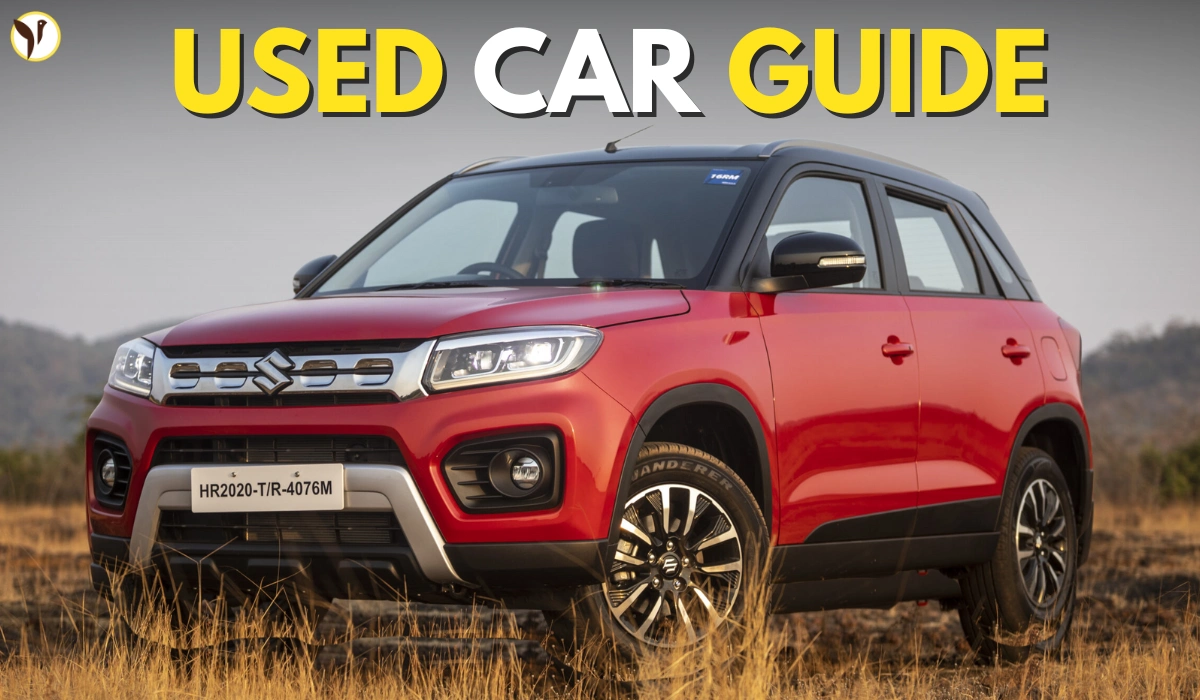


If you’re planning to get a second-hand automobile in the year 2025, you may find this handbook very useful. This manual will help you identify everything you need to ensure that you can get a second-hand car at the best price by highlighting the features to look out for, what to inspect, how to negotiate, and what to watch out for before making a purchase. You won’t have to wade through confusing or complicated language, just real-world tips to help you find a quality used car and make an informed purchase. Keep reading, and you will receive the most practical, accurate, and trustworthy information available on purchasing a used car.
Check the Car’s Registration & Ownership History First
Before checking a used car's condition, you should begin by looking at the paperwork. An initial check of the document alone can prevent problems with the law at a later date. In India, used cars should ideally have had only one or two previous owners; cars with multiple owners could have underlying problems that have been hidden from the seller.
Verify all information listed on the RC (Registration Certificate) against that which is stamped on the car. The engine number and chassis number need to be verified to ensure they are the same as listed in the RC. Also, check if there are any outstanding loans against the car or if the loan has been closed out on the RC. If there are outstanding loans, make sure there is an NOC from the bank.
Some quick checks to do:
- Owner count
- Registration city and RTO
- Loan closure date
- Authenticating RC using the Parivahan App
Many buyers make the mistake of skipping this part of the process.
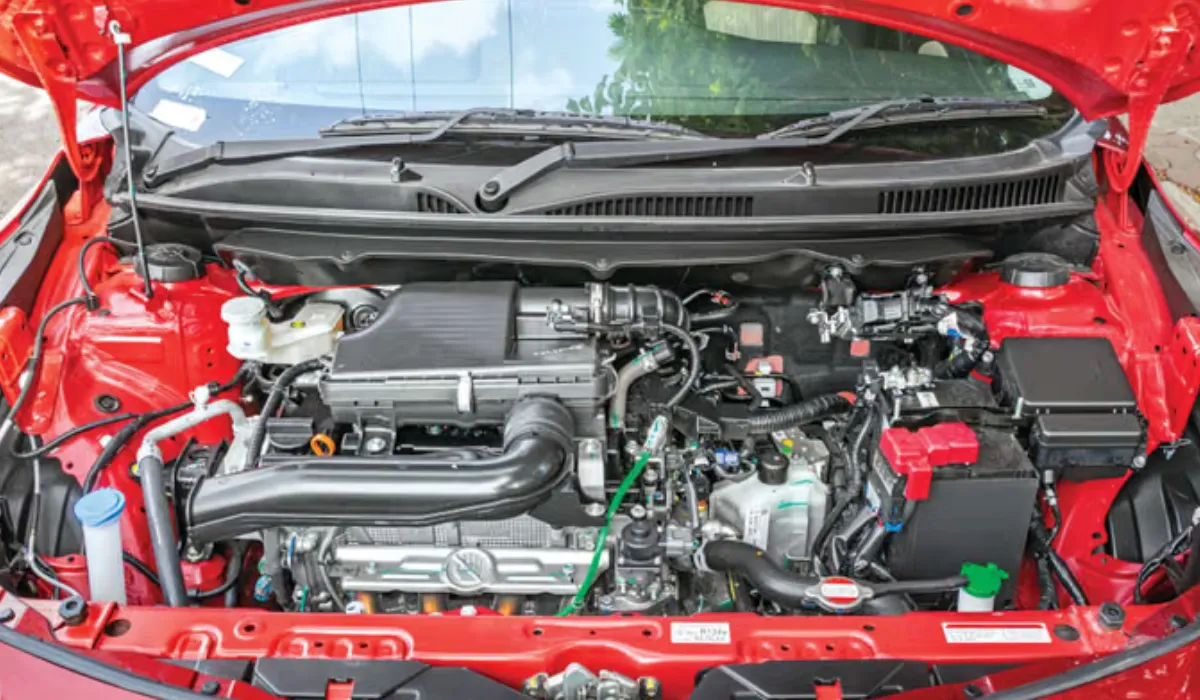
Inspect the Engine Condition (Don’t Trust Just Sound)
Most people selling their cars will begin by starting the car and stating "Engine bilkul smooth hai!" Don't just take their word for it, as a smooth-sounding engine is not the whole picture. Let the engine run idle for a couple of minutes before you begin to check some other parts of your vehicle.
Watch closely for any strange vibrations coming from the engine, black/blue smoke coming from your exhaust pipe, or warning lights illuminated on your dashboard. If there is any black or blue smoke coming from your exhaust, etc., these are red flags when it comes to buying a used car.
Lastly, whenever you check the engine of a vehicle for oil leaks, "loose" or unconnected wiring and any rusted parts, do not forget to look inside the hood of the car as well. If you are not confident when doing this type of check, spending between ₹1000-₹1500 to have it inspected by a reliable mechanic can save you thousands of rupees later on.
Look Closely at the Exterior for Accident Signs
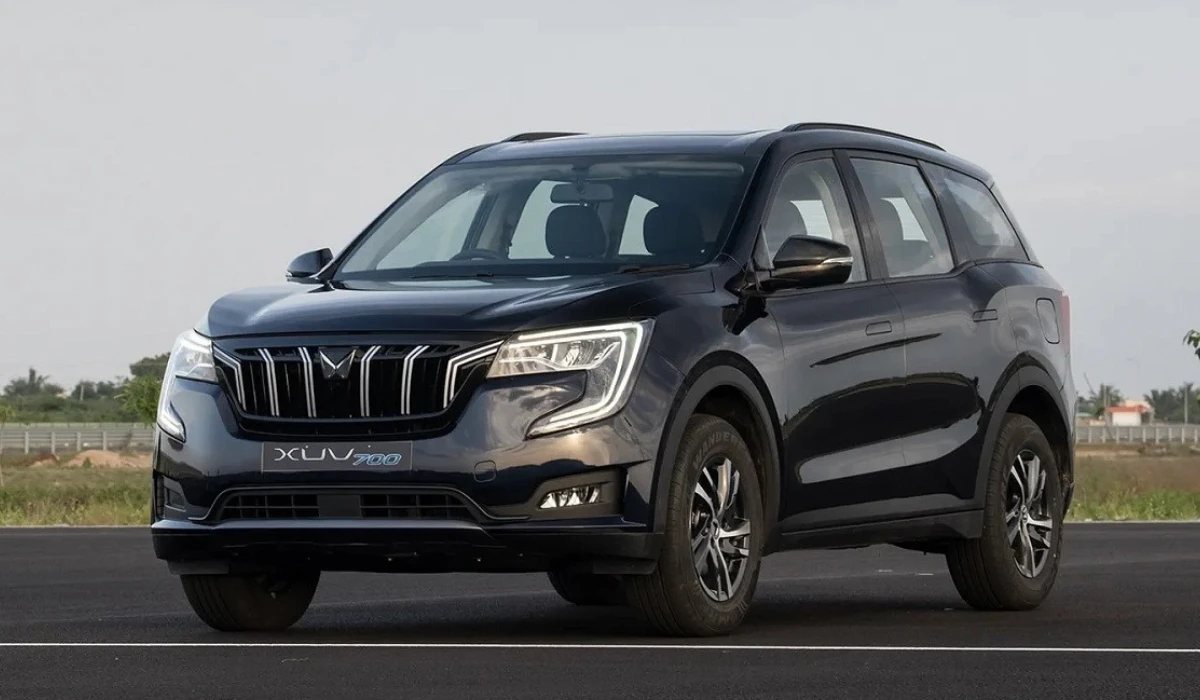
A dealer may heavily polish an older car to conceal the irregularities in the paint or if damage occurred during shipping and needs to be repaired. Therefore, it is essential to carefully evaluate the gaps in the panels (bonnet, boot, door, etc.). The presence of any gaps that are not perfectly aligned often indicates that the vehicle was repaired due to an accident.
A visual inspection of the vehicle should reveal consistent paint colors throughout the entire body. Any inconsistencies in the colours are highly likely to indicate a vehicle that has previously been repainted. An individual should look under the car, where they may find warped or bent chassis supports. The following aspects of the exterior of a vehicle should also be considered when determining whether a vehicle has been repaired, is safe, and has resale value: Excessive rusting near wheel arches or openings such as doors; Broken lamps or lens covers; and Evidence of structural repairs due to an accident.
Interior Condition Tells the Real Usage Story
The interior of a vehicle is a better indication of actual mileage than the odometer. If you see a vehicle with an odometer reading of 40,000 km and the pedals, steering wheel, and seats are heavily worn; this should cause concern.
Make sure that you test every piece of electronic equipment in the interior of your vehicle—AC cooling, audio system, power windows, steering wheels, central locks, and the gauge); if you live in India, the ability of an air conditioning system to perform appropriately is essential because most major cities are hot and humid.
Additionally, be sure to look for a damp odour and/or any signs of water damage, as these are indications of flood-related problems and are common in areas affected by monsoon flooding.
Verify the Odometer Reading Isn’t Tampered
Many people don't realize how prevalent Odometer Fraud is. Some sellers will roll back KMS on a vehicle in order to make it more valuable for resale. Though a Digital ODOMETER isn't as easily tampered with, it can still happen.
ASK to see all Service Records and CROSS-CHECK the ODOMETER Reading with the Service Records for a vehicle. If the vehicle is a legitimate vehicle, the odometer readings of the vehicle will be consistent with the KMs listed on the Service Records. CHECK Wear and Tear that the Mileage indicates. If the Vehicle has very low mileage, it should not feel "Loose" while you're driving it.
Other Articles to Read
Why Your Car’s Mileage Drops After One Year
How to Choose the Perfect Car for Everyday Driving
Maruti Suzuki Success Story: How It Became India’s No.1 Brand
Always Ask for Full Service History
Having documented car servicing history is a great way to ensure that you're getting a safe vehicle. Service/contact records from an authorized dealer or manufacturer are the best, as they cannot be easily changed or tampered with.
You can determine the following using your vehicle's service history:
- How frequently was your car serviced
- Were there any major components replaced
- Did your vehicle experience repetitive problems
In India, vehicle owners frequently defer maintenance services to save money — this follows through with extended repair costs associated with the vehicle's overall health, thus, a documented servicing history reflects that the previous owner has maintained and taken care of their vehicle.
Take a Proper Test Drive (Not Just 2 Minutes)
Do not purchase a second-hand vehicle unless you have completed a prolonged test run of at least 10 to 15 minutes over varying conditions. Drive over rough areas and speed bumps, as well as on straight, unimpeded roadways.
During your test run, be observant for correct steering alignment, responsive brakes, smooth clutch operation, and ease of gear shifter operation. Look out for any irregular noises when making turns and/or stopping; these noises may indicate underlying problems with either.
Pay close attention to reverse gear function, as it is an excellent indicator of any potential problems with the clutch or transmission.
When driving a vehicle, the driver should have an overall sense of confidence, assurance, and predictability.
Verify Insurance Coverage & Claims
Before purchasing a vehicle or other product, always verify the seller's insurance. An insurance document contains a lot of information about previous claims and the insurance policy type (comprehensive vs third party).
In many cases, when reviewing a vehicle's history, multiple claims could mean that the owner frequently has accidents or uses the vehicle roughly. The zero-depreciation rider, if still available, is an advantage to purchasing that vehicle.
Additionally, verify the current status of the seller's No Claim Bonus (NCB). A legitimate seller would have no obstacles to sharing that information with you.
Understand the Real Ownership Cost
As cheap as a second-hand automobile may be, excessive repair bills often make these bargains more costly than initially evidenced by the purchase price. Prior to making the purchase, check service repair costs, availability of replacement parts, and average fuel consumption for this vehicle type in India.
Certain high-end or discontinued models may appear to be a bargain purchase when viewed as the initial sales price but could be a source of significant expense going forward. Your choice should be a vehicle that fits within your overall budget long-term and not simply within your purchasing budget.
Final Thoughts
Patience and verification are the two most important factors in buying a used car in India. Do not rush into purchasing a vehicle due to “limited time only” promotions. A real bargain waits for you.
Be sure to compare different vehicles; be firm in your negotiation skills; and leave emotions out of this process. If anything doesn’t feel right, please walk away. There will always be another better deal to take advantage of.