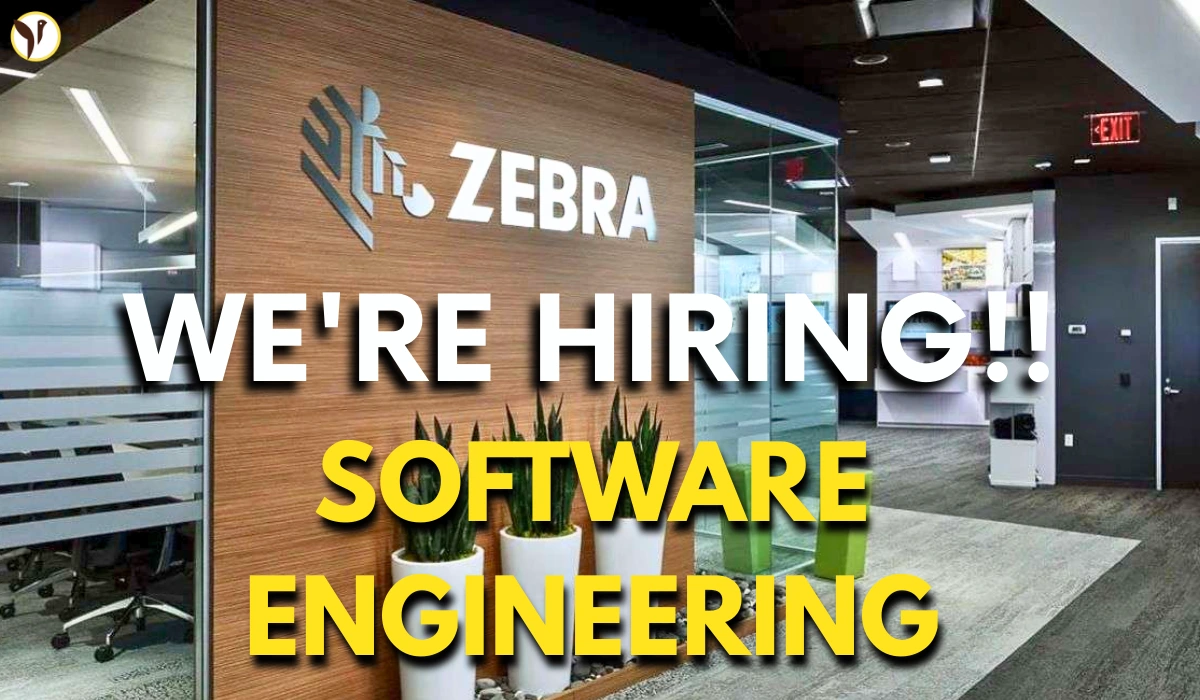


As global tech companies quietly rebalance how and where they hire, Zebra Technologies’ latest software engineering openings stand out for one clear reason. They blend serious enterprise work with flexible hybrid and work-from-home options. For Indian engineers navigating a crowded job market, this is not just another vacancy update. It reflects how product-driven multinational firms are reshaping hiring priorities in 2026.
Zebra Technologies is not a startup chasing headlines. It is a long-established enterprise technology company whose software powers warehouses, retail chains, healthcare systems, and logistics networks worldwide. When such a company opens software engineering roles with flexible work models, it signals stability, long-term product focus, and global exposure rather than short-term hiring spikes.
This article breaks down the qualifications required, how to prepare a CV that fits Zebra’s expectations, and why these openings matter for Indian software professionals looking beyond routine IT services roles.
Why Zebra Technologies Software Roles Are Getting Attention
Zebra Technologies operates in a niche many engineers underestimate. Its platforms sit behind barcode scanners, RFID systems, mobile computing devices, and real-time data capture software used by global enterprises. That means engineers work on systems that must be reliable, scalable, and secure across millions of daily transactions.
The current hiring push focuses on software engineers who can contribute to cloud platforms, device management software, enterprise mobility solutions, and data-driven applications. Unlike short-term contract roles, these positions are tied to long-cycle enterprise products that evolve over years.
For Indian candidates, this matters because such roles often come with deeper technical ownership, global collaboration, and skills that travel well across markets.
Work From Home and Hybrid Setup Explained Clearly
Zebra’s job listings highlight a hybrid work model rather than full remote freedom. In practical terms, this usually means:
-
Engineers work from home for most of the week
-
Periodic office presence for team syncs, onboarding, or project milestones
-
Collaboration with global teams across time zones
For candidates based in India, this model offers flexibility without completely cutting off access to structured engineering environments. It also signals that Zebra still values in-person engineering culture where needed, which many enterprise teams see as essential for complex system design.
Educational Qualifications Zebra Looks For
Zebra Technologies does not chase flashy degrees. Its focus is on fundamentals and applied engineering ability.
Most software engineering roles typically expect:
-
A bachelor’s degree in Computer Science, Information Technology, Electronics, or a related engineering discipline
-
Strong grounding in data structures, algorithms, and system design concepts
-
Understanding of object-oriented programming principles
For certain senior or specialized roles, a master’s degree can be an advantage, but it is rarely a strict requirement. What consistently matters more is hands-on experience and the ability to work on production-grade systems.
Technical Skills That Matter Most
Zebra’s software teams work across multiple stacks. Based on role descriptions and hiring patterns, candidates should expect emphasis on:
-
Programming languages such as Java, C++, Python, or C#
-
Experience with cloud platforms, especially AWS or Azure
-
Familiarity with REST APIs, microservices, and distributed systems
-
Knowledge of databases, both SQL and NoSQL
-
Exposure to DevOps practices, CI/CD pipelines, and containerization
For freshers, Zebra tends to prioritize problem-solving ability and learning agility over mastery of every tool. For experienced engineers, system ownership and real-world deployment experience carry more weight.
Zebra Software Engineer Role Overview
|
|
|
|
|
|
|
|
|
|
|
|
|
|
|
|
|
|
|
|
|
How to Prepare a CV That Fits Zebra’s Hiring Style
Zebra Technologies screens CVs differently from mass-recruitment IT firms. A generic resume packed with buzzwords often fails to stand out.
Strong CVs for Zebra usually share these traits:
-
Clear description of projects, not just tools used
-
Evidence of solving real problems, not academic exercises alone
-
Mention of system scale, performance improvements, or reliability gains
-
Clean structure with readable formatting, no overcrowded sections
If you are a fresher, highlight internships, final-year projects, GitHub contributions, or open-source work. For experienced professionals, focus on ownership, cross-team collaboration, and measurable outcomes.
Avoid exaggeration. Enterprise hiring teams are skilled at spotting inflated claims during technical interviews.
Interview Focus and Hiring Expectations
Zebra’s interview process typically balances theory with practical thinking. Candidates can expect:
-
Coding or problem-solving rounds focused on clarity and correctness
-
Discussions around system design at an appropriate level for the role
-
Behavioral interviews assessing collaboration and decision-making
For Indian candidates coming from service-based companies, one adjustment is important. Zebra interviews often probe why a design choice was made, not just whether it works. Thought process matters as much as the final answer.
How These Roles Compare to Typical IT Service Jobs
Unlike project-based outsourcing roles, Zebra’s software engineering jobs are product-centric. Engineers work on the same platform over multiple release cycles, refining performance, security, and usability.
This difference shows up in daily work. There is more emphasis on long-term code quality, documentation, and backward compatibility. For engineers who want depth rather than constant context switching, this environment can be a strong fit.
Practical Takeaways for Indian Job Seekers
For Indian engineers, these openings highlight a broader shift. Global enterprise companies are increasingly open to hybrid models while maintaining high technical standards. This creates opportunities for candidates who may not want relocation but still seek international exposure.
However, competition is real. Zebra hires selectively, and preparation matters more than application volume. Candidates who invest time in understanding the company’s products and engineering culture tend to perform better in interviews.