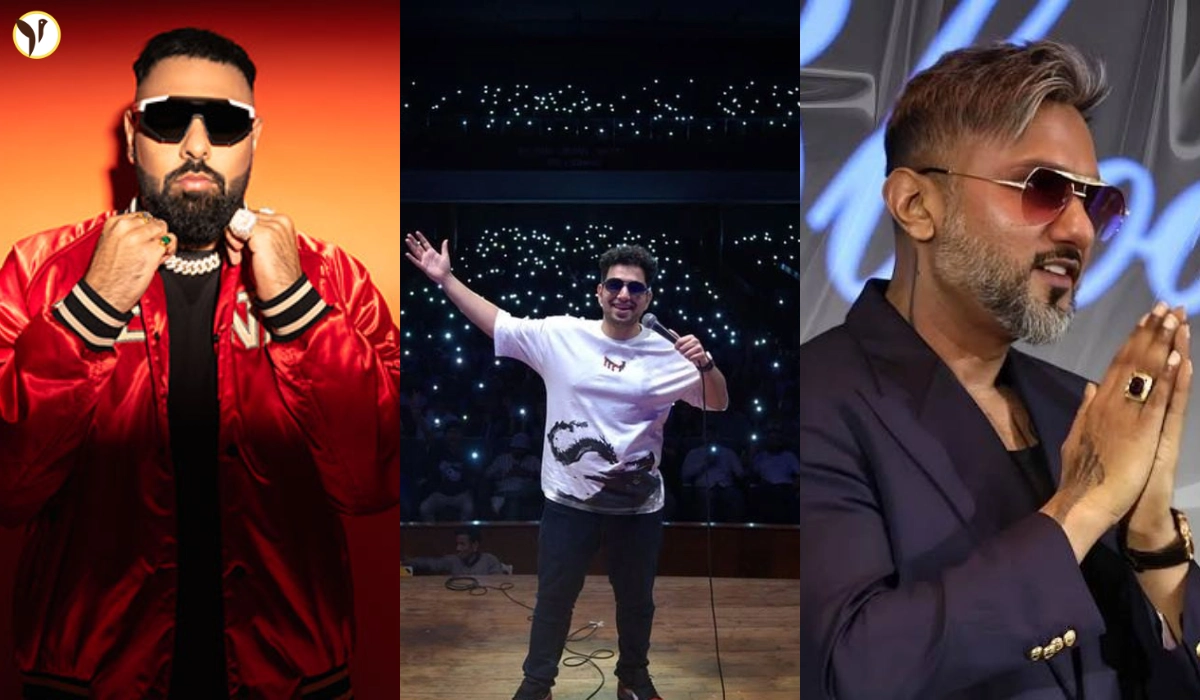


Sixteen months after a controversy shut down one of India's most-watched comedy shows, Samay Raina is mapping his return — with an OTT platform apparently waiting on the other side.
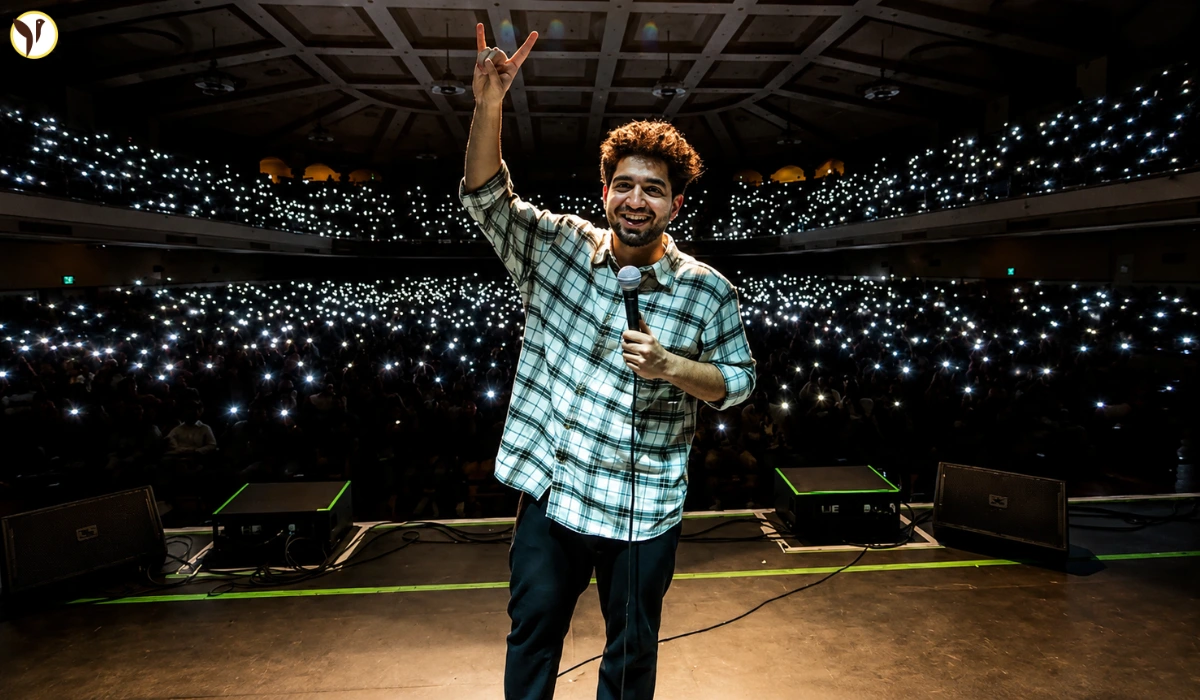
There are comebacks, and then there are comebacks that feel genuinely earned. Samay Raina's return to India's Got Latent belongs firmly in the second category. In April 2026, standing on a stage with a crowd that knew every beat of the last 14 months, Raina delivered what may become his most memorable punchline yet: "I don't think Season 1 of my show could have ended in a better way." The room — and later the internet — understood exactly what he meant.
Now, barely six weeks after that stand-up, the pieces are falling into place for a proper Season 2. Netflix India made a cryptic joint post with Raina on June 17, audience registrations for live tapings have already opened, and production is reportedly underway. India's Got Latent Season 2 is no longer a rumour. What remains open is when, where, and in what form it arrives.
How We Got Here: A Timeline Worth Revisiting
India's Got Latent launched on June 14, 2024, on Raina's YouTube channel as a paid-subscriber comedy talent show — unconventional in format, deliberately rough around the edges, and built around Raina's signature brand of self-aware dark humour. It grew fast. The show became a cultural talking point within weeks, drawing some of India's most recognisable comedians, YouTubers, and celebrities as guest judges.
Then came February 10, 2025. During a bonus episode, guest panellist Ranveer Allahbadia — the self-improvement podcaster known as BeerBiceps — posed a sexually explicit question to a contestant. The backlash was immediate and severe. FIRs were filed against Allahbadia, co-panellist Apoorva Mukhija, and Raina himself. Two days later, Raina removed the entire show from YouTube, stating he would fully cooperate with the inquiry. The Maharashtra Police followed with additional complaints for "creating obscene content."
|
|
|
|
|
|
|
|
|
|
|
|
|
|
|
|
|
|
|
|
|
|
|
|
|
|
|
Still Alive: More Than a Stand-Up Special
Released on April 7, 2026, Still Alive was Raina's debut stand-up special — an 81-minute set in which he addressed the controversy directly, spoke about its financial and emotional cost, and reframed the entire episode with characteristic dry wit. He called Allahbadia "the monk who sold my Ferrari," arguing that the public's fury was partly born of betrayal — a self-help guru had broken character in the worst possible moment.
"I don't think my show could have ended on a higher note."
The special became the most-watched full-length comedy show globally at the time of its release, according to a milestone noted by The CSR Journal as of April 23, 2026. More significantly for fans, the title itself was a statement. Still Alive was not just a show — it was Raina declaring that the controversy had not finished him. Season 2, he confirmed, was already being planned.
The Netflix Signal: Reading the Cryptic Posts
If Still Alive was the announcement, the week of June 16–17, 2026, was the teaser campaign — characteristically indirect and characteristically effective.
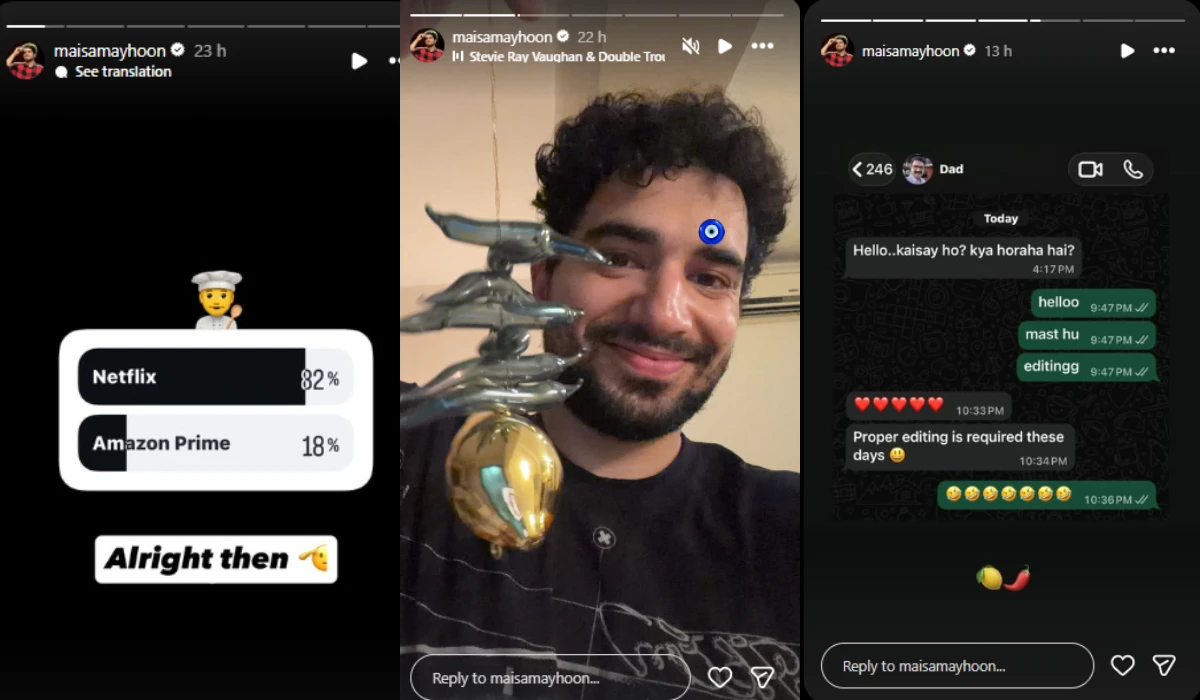
On June 16, Raina posted an Instagram Story featuring a chef emoji alongside a simple poll: Netflix or Amazon Prime Video. No caption. No context. The internet, primed for exactly this kind of misdirection, immediately mapped it to Season 2.
Then, on June 17, Netflix India posted a photograph on its official Instagram account. The image featured the same bodyguard character who had accompanied Raina during the Still Alive special — complete with a traditional nimbu-mirchi (lemon and chilli) charm hanging from his jeans. The caption read: "Drop 🍋🌶️ in the comments pls, we're gonna need it." Netflix tagged Raina as a collaborator on the post. Raina reshared it on his Stories and added his own image holding the same nimbu-mirchi charm, paired with an evil eye emoji.
The symbolism was deliberate and culturally legible to any Indian viewer: the nimbu-mirchi is a charm against the evil eye, traditionally hung when something new begins. Whether or not it constitutes a formal announcement, it is a statement of intent — and Netflix's direct tagging of Raina makes it hard to read as anything other than a partnership signal.
|
|
|
|
|
|
|
|
|
|
|
|
|
|
|
|
|
|
|
|
|
|
|
|
|
|
|
|
What Changes — And What Probably Won't
The biggest structural shift for Season 2 may not be the judges or the guests. It may be the content moderation model. Raina has been explicit on this: the live tapings will remain raw and "even crazier than before," but only a cleaned-up version will be made available online. This dual-format approach is a pragmatic response to the legal exposure the first season created — a way to preserve the show's irreverent DNA for a paying live audience while presenting something defensible to regulators and platform partners online.
Whether a major OTT platform like Netflix will accept even a moderated version of a show that generated FIRs, NCW inquiries, and a Supreme Court hearing is the real editorial question here. That Netflix is apparently willing to be publicly associated with the show — going so far as to post a coded teaser — suggests the platform sees the audience upside as worth the content sensitivity risk.
The other open question is format preservation. A recurring fan concern, visible across social media comment sections, is whether bringing A-list Bollywood names into the show will shift its tone from underground comedy to mainstream spectacle. One viral post captured the anxiety precisely: "Is this India's Got Latent 2 or a mini Kapil Sharma Show?" The answer matters because the original show's entire appeal was its deliberate resistance to polish. Raina and co-host Balraj Ghai built something that felt genuinely uncontrolled. A Netflix budget and a celebrity-studded panel could easily smooth that roughness away — or it could amplify it.
Samay raina give update on India got Latent season 2 date 😉 pic.twitter.com/kP408D81Fu
— Sumit (@beingsumit01) June 18, 2026
Why This Return Actually Matters
India's Got Latent's comeback is not simply a story about one comedian's resilience, though it is certainly that. It is a test case for how India's digital entertainment ecosystem handles creator-driven content at scale — content that is intentionally provocative, deliberately adult-oriented, and structurally resistant to the guardrails that broadcast television applies.
Season 1 exposed a gap between what Indian digital audiences wanted to watch and what Indian legal frameworks were equipped to handle. The Supreme Court's involvement, the NCW inquiry, the multiple FIRs across different states — all of it pointed to an absence of clear precedent for how to adjudicate content on subscription-based creator platforms. Season 2, with an OTT partner involved, will operate under more scrutiny, more institutional pressure, and likely more content review than Season 1 ever did.
That is, paradoxically, both a constraint and a credibility signal. If Raina can deliver a Season 2 that preserves the show's energy within a framework that survives regulatory contact, it becomes a blueprint. If he cannot, it confirms what critics argued from the beginning: that the format was only possible in a legal grey zone that no longer exists.
Either way, the audience will be watching. And if the still-surging fan engagement across every recent Raina post is any indication — they have been waiting, patiently, for exactly this moment.
Other Articles to Read: