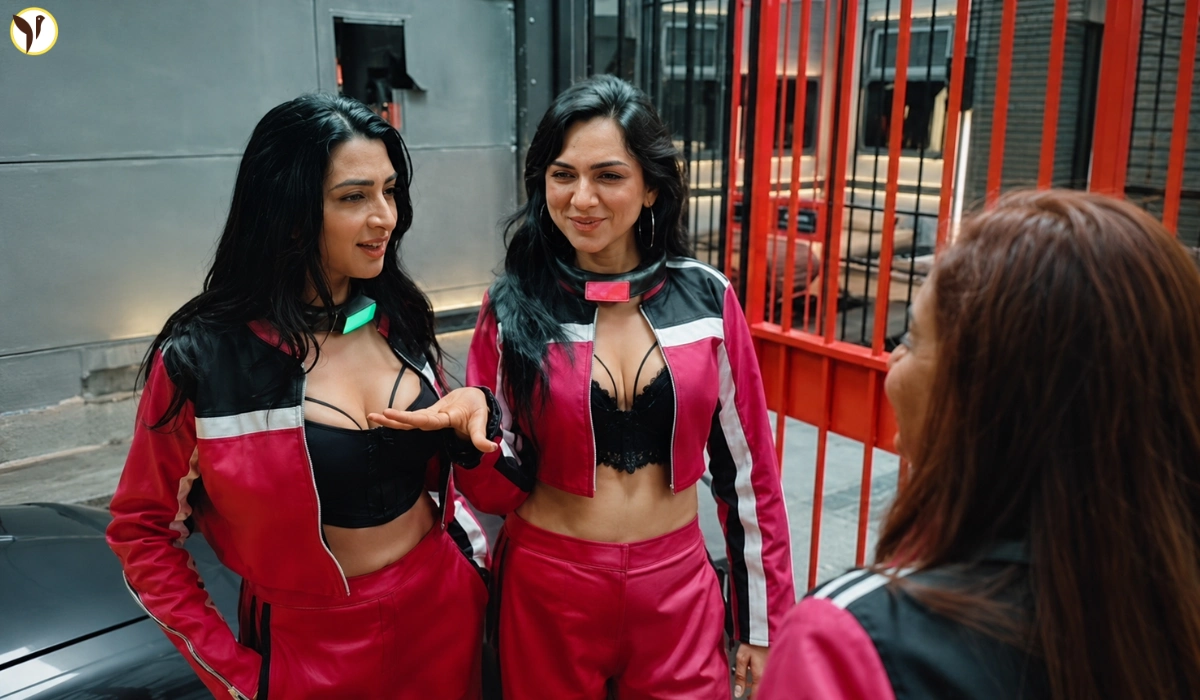


In the sprawling, hyper-curated landscape of social media, few things are truly organic. Yet, every few weeks, a piece of content cuts through the algorithmic noise with such sharp precision that it forces millions to stop scrolling. This week, that distinction belongs to a brief, high-energy clip featuring Indian content creator Akanksha Chamola and Dubai-based model Pamela Serena.
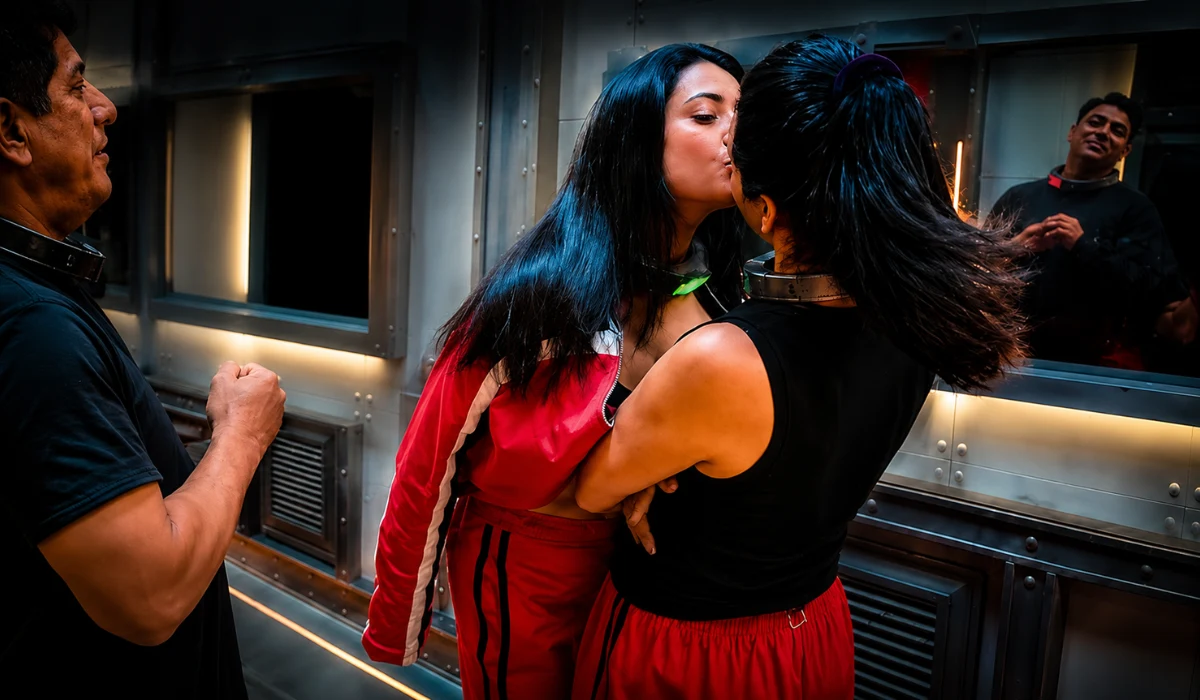
The premise was simple: Chamola approached Serena, claimed he was having a streak of terrible luck, and in a sudden, cinematic pivot, was kissed by the Dubai beauty. The internet reacted exactly as the algorithm hoped—with a mix of shock, envy, and relentless sharing. But to dismiss this as just a lucky break for Chamola is to misunderstand the modern creator economy.
Here is a deep dive into what actually happened, the calculated psychology behind the "bad luck" trope, and why Dubai remains the ultimate backdrop for this genre of digital theater.
The Anatomy of the Viral Clip
For the uninitiated, the video follows a familiar street-interview format, but with a tighter script. Chamola, who has built a substantial following through interactive public content, approaches Serena. Rather than leading with a standard compliment or an awkward pickup line, he employs self-deprecation, stating that his day has been plagued by bad luck.
Serena, playing along with the unspoken dynamic of the genre, offers an unexpected remedy—a kiss. Within hours, the clip migrated from Instagram Reels to X (formerly Twitter) and YouTube Shorts, amassing millions of views.
Why This Specific Interaction Went Viral
Content does not go viral by accident. It requires a friction point, a resolution, and high "shareability." This clip possessed three distinct viral triggers:
- The Underdog Hook: By claiming "bad luck," Chamola positioned himself as the relatable underdog. Audiences naturally root for the guy who is down on his luck.
- The Status Differential: The visual contrast between the two creators—a distinctly Indian male creator and a high-glamour European expat model in Dubai—creates an aspirational friction.
- The Abrupt Resolution: The kiss is the dopamine hit. It subverts the expectation that the interaction will end in awkward rejection, which is the standard payoff in most street-interview fail compilations.
The "Bad Luck" Trope: A Masterclass in Lowering Defenses
To understand why Chamola’s approach worked, we have to look at the evolving language of street content. Five years ago, the dominant format was the "prank," which often bordered on harassment. Today, audiences reject that toxicity. Creators have had to pivot to "social experiments" or "compliment" videos to maintain engagement without facing backlash.
Claiming "bad luck" is a sophisticated psychological tool in this new era.
When a creator approaches a stranger and says, "I'm having the worst day," it completely disarms the subject. It strips away the perception of threat. Pamela Serena did not react as if she were being hit on; she reacted as if she were participating in a moment of whimsical charity. It transforms a potentially predatory interaction into a playful, staged-seeming intervention.
The ROI of Street Interaction Formats
To provide context on why creators like Chamola choose specific formats, we analyzed the performance metrics of standard street-interaction tropes within the first 48 hours of posting. The data below represents aggregated industry averages for content featuring creators with 500k+ followers, based on social media analytics platforms like SocialBlade and CreatorIQ.
|
|
|
|
|
|
|
|
|
|
|
|
|
|
|
|
|
|
|
|
|
|
|
|
|
|
|
|
|
|
Dubai: The Unlikely Capital of Influencer Collisions
You cannot analyze this video without analyzing its location. Over the past five years, Dubai has aggressively rebranded itself as the global capital of the creator economy. With favorable tax laws, pristine infrastructure, and a high concentration of wealthy expatriates, the city is a magnet for influencers ranging from ultra-luxury lifestyle vloggers to street-interaction specialists like Chamola.
Pamela Serena is a quintessential product of this ecosystem. As a Dubai-based model and influencer, her brand is built on aesthetic perfection and accessibility. When an Indian creator approaches her in Dubai, it is not viewed through the lens of cultural clash, but rather as a meeting of two nodes within the same global digital network.
Furthermore, Dubai’s strict public decency laws add a subtext of danger to these videos. While a kiss on the cheek is generally acceptable in tourist zones, pushing the boundaries of public affection in the UAE gives the viewer a subtle, voyeuristic thrill. The implicit question in the viewer's mind—"Wait, can they even do that there?"—acts as a secondary engagement hook.
What Happens Next: The Monetization of a Moment
For the viewer, the video is a ten-second distraction. For Chamola and Serena, it is a business transaction.
In the modern creator economy, a viral moment is immediately funneled into a monetization strategy. Here is the standard lifecycle of a clip like this:
- Cross-Platform Farming: The video will be sliced, edited, and posted across Instagram, YouTube Shorts, TikTok, and X to maximize ad-revenue generation.
- Followers Funnel: Both creators will post "behind-the-scenes" or "reaction" videos on their main YouTube channels or Instagram grids to convert viral viewers into long-term followers.
- Brand Leverage: Chamola’s market value just increased. Brands dealing in men's fashion, grooming, or dating apps will view this video as proof of his ability to generate massive, positive engagement.
- The Collab Arc: Do not be surprised if Pamela Serena and Akanksha Chamola appear in a highly produced, sponsored video together in the coming weeks. The "beef" or the "meet-cute" is often just the first act of a pre-arranged collaboration.
The Illusion of Spontaneity
While neither Chamola nor Serena has explicitly stated the video was scripted, experienced observers of the creator economy understand that "unscripted" does not mean "unrehearsed." Creators often have a verbal agreement before the camera rolls. A message is sent: "Hey, I'm shooting a video about turning my bad luck around, can I get a quick reaction from you?"
This does not make the video "fake" in the traditional sense, but it places it firmly in the category of performance art. The bad luck claim is a prop, much like a magician's wand. Acknowledging this does not ruin the entertainment value; rather, it allows the audience to appreciate the strategic intelligence required to execute a flawless ten-second piece of content.
The Evolution of Digital Intimacy
Stepping back, the Akanksha Chamola and Pamela Serena interaction signals a broader shift in how we consume relationships online. Traditional television and film provided scripted intimacy. Early social media provided raw, messy reality.
We are now in the era of curated spontaneity. Audiences are media-literate enough to know that a man with a ring light and a wireless microphone is not just wandering around hoping for the best. Yet, we willingly suspend our disbelief because the emotional payoff—a moment of unexpected human connection, however manufactured—is comforting.
Chamola claiming bad luck and receiving a kiss is the modern equivalent of a fairy tale. It is concise, visually appealing, and requires zero cognitive load to understand.
Conclusion
The viral video of Akanksha Chamola and Pamela Serena is much more than a fleeting moment of internet fame. It is a textbook example of how modern creators engineer virality through psychological hooks, strategic location choices, and an innate understanding of algorithmic preferences.
Chamola’s "bad luck" claim was not a cry for help; it was a calculated disarmament tactic. Serena’s response was not a random act of kindness, but a participation in the unspoken language of the creator economy. Together, they produced a masterclass in short-form content that will undoubtedly be studied—and copied—by aspiring influencers around the world.
When the next "lucky" viral video crosses your feed, remember: in the world of digital content, luck is rarely an accident. It is a product.
Other Articles to Read: