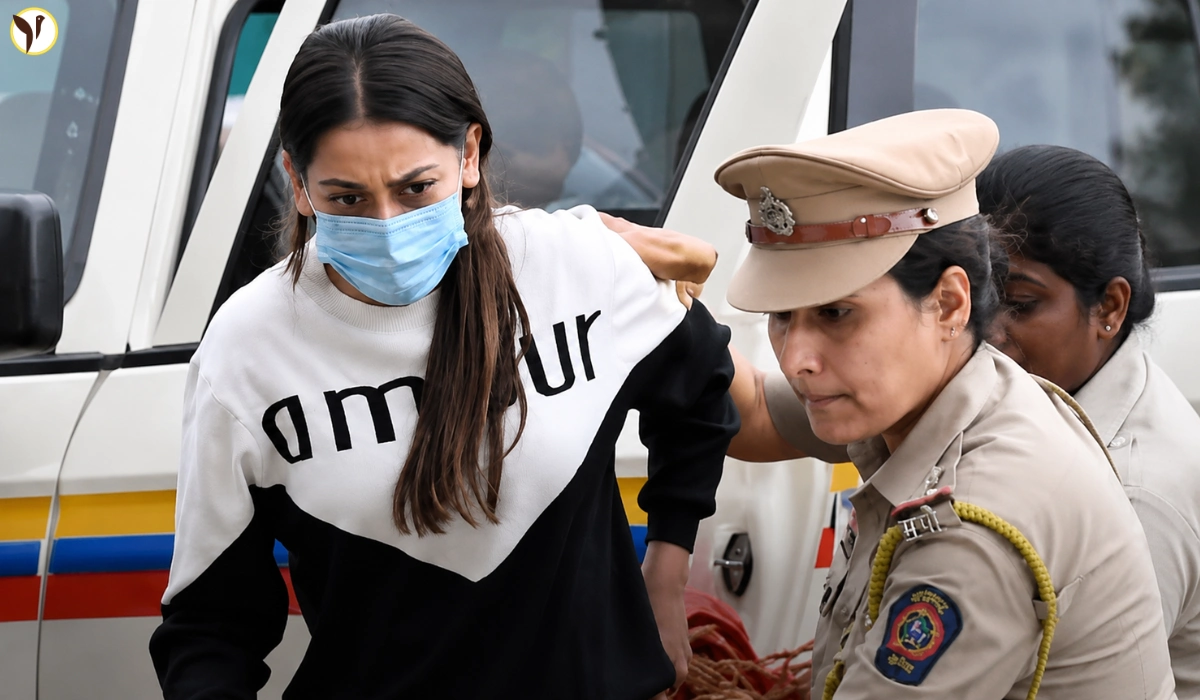


For several weeks, a simmering rumor regarding Siya Goyal’s alleged secret marriage has circulated across social media platforms and niche gossip columns, generating significant public curiosity. Today, the vacuum of official information was finally broken. In a definitive move to reclaim the narrative, Siya Goyal's lawyer has officially broken silence, categorically denying the secret marriage claim.
The statement, issued earlier today, does more than simply say "no." It dismantles the architecture of the rumor itself, challenging the veracity of the supposed evidence and warning of potential legal repercussions for those propagating the false narrative. For the public, this denial offers a moment of clarity in a media environment often clouded by unverified speculation.
Here is an in-depth analysis of the legal statement, why this specific approach was taken, and what it means for both Goyal and the broader landscape of how public figures manage digital-age crises.
The Anatomy of the Denial: What Was Actually Said
Unlike standard public relations dismissals that often rely on vague language, Goyal’s legal team opted for precision. The lawyer's statement addressed three core pillars:
- The Factual Denial: A flat rejection of the claim that any legally binding marriage ceremony took place.
- The Evidentiary Challenge: A direct assertion that the documents and images circulating online are either fabricated, taken out of context, or pertain to a different matter entirely.
- The Legal Warning: A clear boundary drawn regarding defamation, indicating that the legal team is actively monitoring the spread of this misinformation and is prepared to issue cease-and-desist orders.
By structuring the denial this way, Goyal’s representatives have shifted the burden of proof away from their client and placed it squarely onto the shoulders of those making the allegations. In legal terms, this is a strategic masterstroke.
Why the "Silence" Was Broken Now
In crisis management, there are two primary strategies when facing a rumor: the "Ostrich Strategy" (ignoring it until it dies) and the "Cut-Off Strategy" (aggressively dismantling it). For a long time, Goyal’s camp chose silence. So, why break it now?
The decision to speak out is rarely about the rumor itself, but rather about the velocity and mutation of the rumor. Initially, the claim may have been confined to fringe gossip accounts. However, when unverified claims begin to be reported as "possibilities" by mid-tier news aggregators, the legal risk multiplies.
Silence in the face of escalating rumors is often misinterpreted by the public as an implicit admission of guilt. Goyal’s lawyer broke the silence at the exact tipping point where the rumor threatened to transition from internet chatter to accepted background noise. Intervening at this stage prevents the allegation from becoming a permanent fixture in Goyal's digital footprint.
The Burden of Proof: Analyzing the Legal Reality
To understand the weight of the lawyer's statement, one must understand how the law views claims of marriage. Unlike allegations of opinion—which are protected under free speech in most democratic jurisdictions—allegations of civil status (like being married) are assertions of objective fact.
To help clarify why these claims are legally precarious for the accusers, we can look at the evidentiary standards required to prove a marriage exists.
Evidentiary Standards in Marital Claims
|
|
|
|
|
|
|
|
|
|
|
|
|
|
|
|
|
|
|
|
Siya Goyal's Lawyer Denies Secret Marriage Claim: The Impact
The immediate impact of this legal intervention is multifaceted.
First, it provides a shield for Goyal’s professional endorsements and business partnerships. Brands operate on risk aversion; a public figure embroiled in an unaddressed scandal is a liability. The lawyer’s forceful denial gives brands a legally backed narrative to latch onto, effectively insulating Goyal’s commercial viability.
Second, it fractures the coalition of propagators. When a rumor is unaddressed, everyone shares it freely. Once a formal defamation warning is attached to it, the calculus changes. Mid-level content creators and digital news outlets will immediately pull back, fearing litigation costs. This isolates the rumor to the most reckless corners of the internet, neutralizing its mainstream impact.
Ketan comes into my dreams every night and says, “You are innocent, Siya. You must be freed.”
— Dr Nimo Yadav 2.0 (@DrNimoYadav) July 8, 2026
- Siya Goyal to her Lawyer pic.twitter.com/iMJCXIpcdm
What Happens Next: The Forward-Looking Insight
A legal denial is not the end of a story; it is the firing of a starting gun. Based on standard legal protocols in cases of high-profile defamation and privacy breaches, here is what we can expect to unfold over the next 30 to 90 days:
1. Strategic Litigation (The Test Case) Lawyers rarely sue everyone. They identify the most prominent or egregious offender—the individual or outlet that packaged the rumor most convincingly—and file a defamation suit against them. This establishes a legal precedent and creates a public spectacle of accountability that deters others.
2. Takedown Requests Expect a wave of legal notices sent to platforms like X (formerly Twitter), Instagram, and YouTube under applicable digital privacy and defamation frameworks (such as Section 230 considerations in the US, or IT Act provisions in jurisdictions like India), demanding the removal of specific defamatory posts.
3. The "Paper Trail" Release If the accusers continue to push the narrative, Goyal’s legal team may proactively release sanitized, redacted documents proving the absence of a marriage certificate, effectively turning the lack of evidence into its own form of evidence.
Public Figures and the "Secret Marriage" Trope
The allegations against Siya Goyal do not exist in a vacuum. They are part of a predictable, cyclical pattern of internet culture where public figures—especially women—are frequently subjected to fabricated narratives regarding their marital status or personal relationships.
This trope thrives on the psychological concept of "ambient intimacy"—the feeling audiences get that they intimately know public figures, which then entitles them to speculate on their private lives. When a figure attempts to maintain a boundary around their personal life, the void is often filled by the public's imagination.
Goyal’s lawyer addressing this head-on represents a shifting paradigm. A decade ago, publicists might have tried to "leak" a counter-narrative (e.g., a fake dating rumor to distract from a marriage rumor). Today, the trend is toward outright legal hostility. The legal system is increasingly being used not just as a tool for justice, but as a blunt instrument for public relations.
Why Speculation is Dangerous
From a legal standpoint, the public often confuses the right to free speech with the right to defame. You are legally permitted to say, "I think Siya Goyal is a talented individual." You are not legally permitted to state, "Siya Goyal is secretly married to X," unless you possess documentary proof to that effect.
The danger of the "secret marriage claim" lies in its specificity. It is not a broad insult; it is a claim of a specific legal event. When the public amplifies such a claim, they become unwitting participants in a defamation chain. Goyal’s lawyer breaking silence serves as a stark reminder to the digital public: retweeting an unverified claim carries the same legal liabilities as originating it, depending on the jurisdiction.
Other Articles to Read: