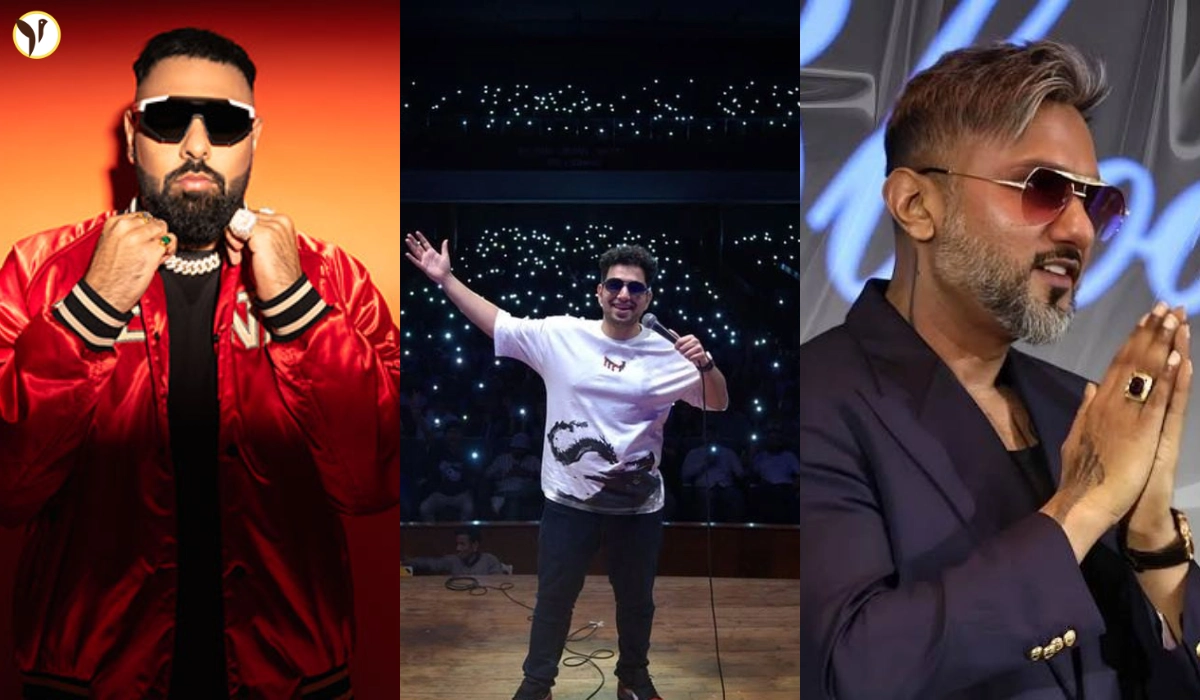
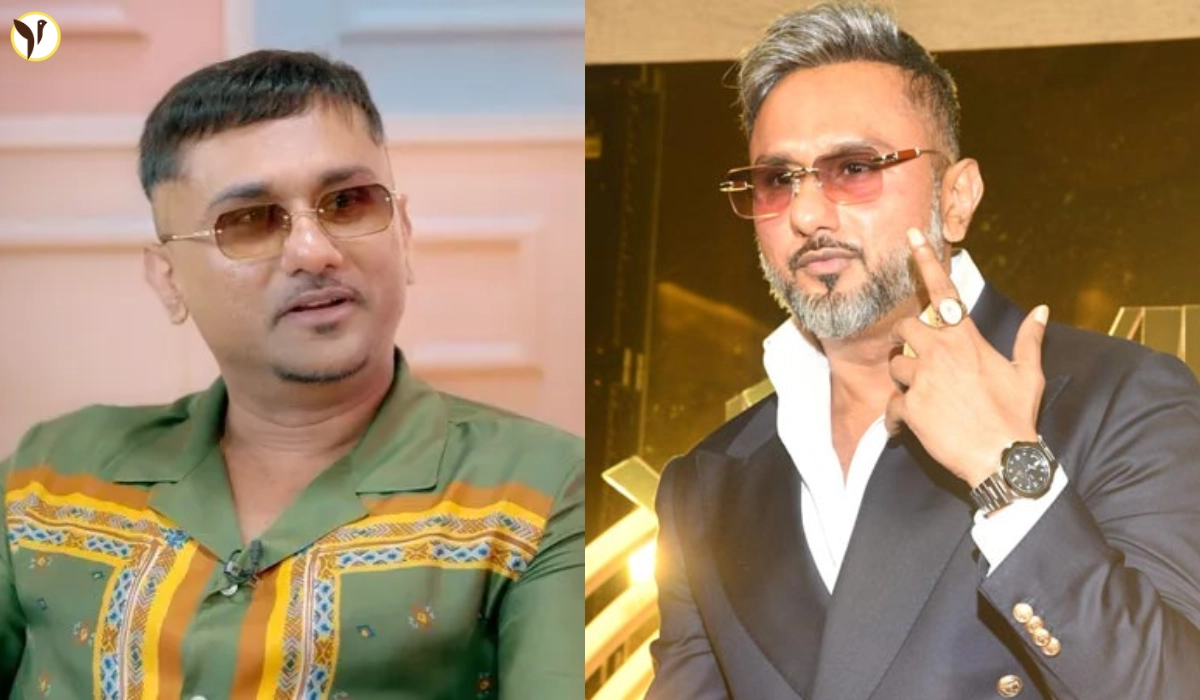


Pune’s child protection officials have raised fresh concerns about rapper Yo Yo Honey Singh and his songs. They believe some of his lyrics and stage performances could negatively affect children, especially when minors attend his concerts.
On April 2, 2026, a district child protection officer, Mangesh Jadhav, wrote to Police Commissioner Amitesh Kumar, asking authorities to take a closer look at the kind of content being presented during these shows. This isn’t just online criticism or public outrage. It’s an official complaint from a government authority focused on children’s safety.
Why Did the Pune Child Protection Officer File a Complaint Against Honey Singh
In his letter, Mangesh Jadhav has asked Pune police to ensure that Honey Singh’s shows remain appropriate, socially responsible, and in line with child protection laws. The concerns mainly revolve around:
- Songs that appear to glorify alcohol, drugs, and gun culture
- Alleged use of vulgar language during his Mumbai concert on March 28, 2026
- The fact that minors are allowed to attend these live shows
According to the officer, repeated exposure to such lyrics and language could influence children’s behaviour and mental health in the long run.
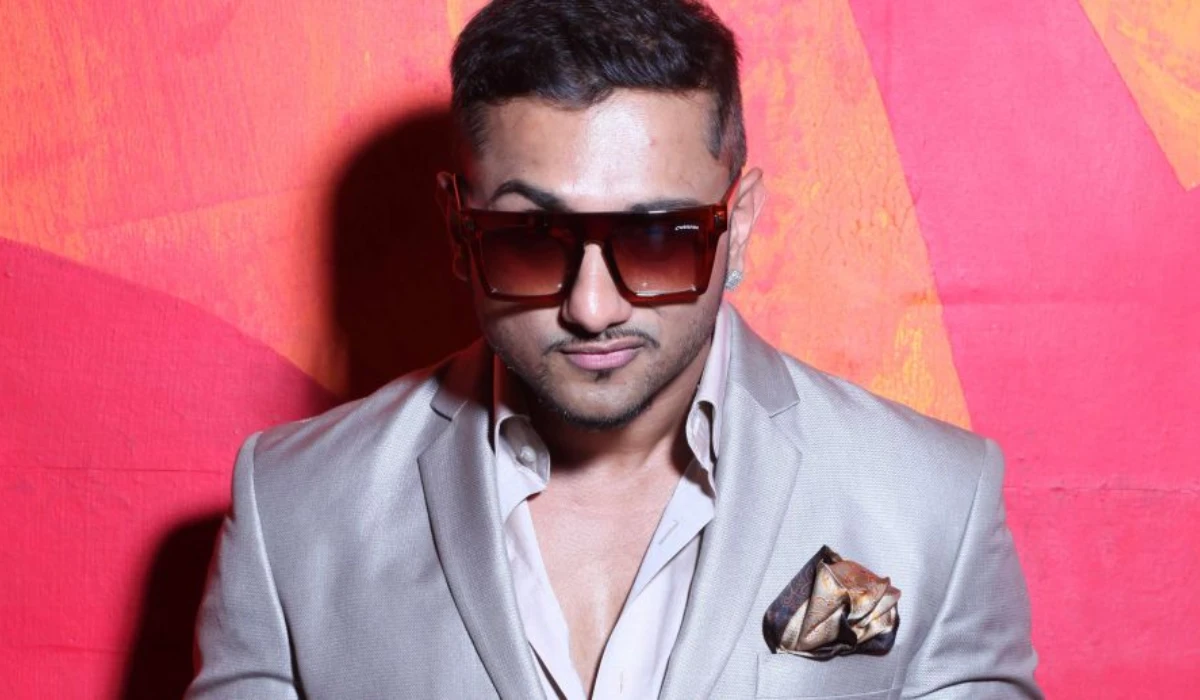
Songs Highlighted by Child Protection Officer
While the complaint doesn’t officially list every track, multiple reports have pointed to a few songs that are under scrutiny:
- Millionaire
- Mafia Mundeer
- Dope Shope
- Desi Kalakar
- Volume 1 (with Badshah)
Delhi HC Pulls Down Volume 1 for Offensive Content
In a related legal development, the Delhi High Court has directed the immediate removal of the Honey Singh–Badshah rap track Volume 1 from all online music and video platforms. The court found the lyrics offensive and potentially harmful, particularly towards women, and asked streaming services like YouTube and Spotify to take it down quickly.
While this case is separate from the Pune complaint, it highlights how courts are becoming stricter about vulgar or abusive content in Indian music—even older songs that remain popular online. It also serves as a warning to organisers and platforms that they could be held responsible if they continue to host or promote content deemed clearly disrespectful or inappropriate.
'Obscene lyrics ': Delhi HC pulls down Honey Singh, Badshah's song ‘Volume 1’@ShekharSinghB reports
— The Tribune (@thetribunechd) April 3, 2026
https://t.co/6dmq3cMpQ9
What Legal Rules Apply to Songs Considered Harmful to Children
In India, songs with bold or controversial lyrics are not banned by default. However, there are limits. Child protection laws expect organisers to be careful about exposing minors to harmful or inappropriate content. Police can step in to review event permissions if complaints are raised. Courts also have the power to order removal of content if it crosses legal boundaries, as seen in the Volume 1 case. So this complaint is not demanding a blanket ban. It’s more about setting boundaries, especially when children are part of the audience.
Honey Singh’s Reaction to the Complaint
So far, Honey Singh has not publicly responded to this specific complaint. In past controversies, he has maintained that his music is meant for entertainment and creative expression, not to promote real-life behaviour. He has also said that some of his songs are intended for adult listeners. However, when concerts allow younger audiences, it raises questions about whether that distinction is clearly maintained.
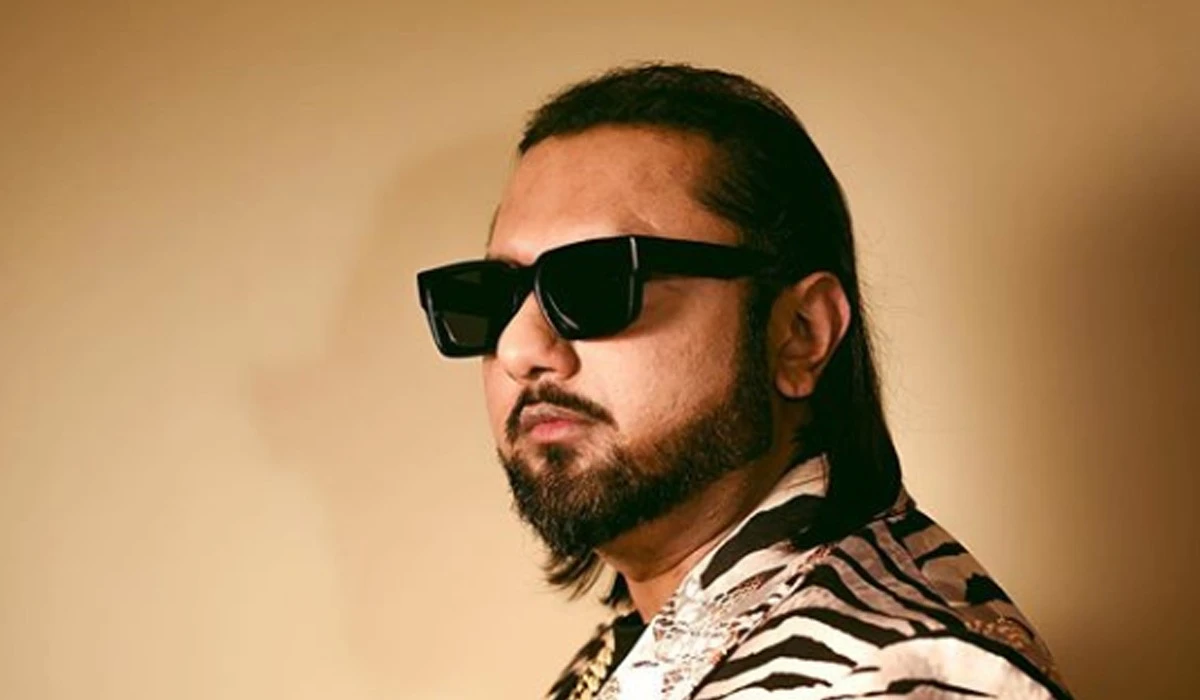
What Actions Could Be Taken Against Honey Singh’s Shows in Pune
Based on similar cases in the past, a few things could happen next. Pune police may review permissions for upcoming shows. Organisers could be asked to make changes, such as limiting entry for minors or avoiding certain songs during performances.
If the issue gains more attention, more complaints could follow from parents, schools, or social groups. At this stage, nothing has been decided yet, but the message from authorities is clear. They are watching closely.
Parents and Schools Respond to Honey Singh’s Songs
Many parents and educators are already concerned about how easily children are exposed to explicit content, both online and at live events. There’s a growing discussion around whether concerts are appropriate spaces for teenagers, especially when the content isn’t filtered. School counsellors often point out that repeated exposure to songs promoting violence, substance use, or objectification can slowly shape how young people think and behave. Because of this, some schools are starting to focus more on media awareness, helping students understand and question what they consume. In that sense, the Pune complaint goes beyond one artist. It reflects a wider concern about how modern pop culture influences children.
Other Articles to Read:
- Jaafar Jackson Reveals Childhood Moments With Michael Jackson Before Film
- Who Is Gucci Mane? What Happened in the Alleged Kidnap Case?
- The Drama Movie Review: Zendaya’s Wedding Story Takes a Dark Turn
- Hegseth Asks US Army Chief Randy George to Step Down
- Is Everything Okay in AAP? Raghav Chadha — Full Breakdown